



Israel’s Military Operation for Hostage Recovery
On Sunday, Israel announced that its military was engaging in a “large-scale operation” aimed at finding the body of the last hostage in Gaza. The country stated that the Rafah crossing with Egypt would remain closed until this mission is concluded.
Discussions on Border Crossing
This declaration coincided with an Israeli cabinet meeting where the potential reopening of the crucial border crossing was discussed. It followed a meeting between high-ranking U.S. envoys and Prime Minister Benjamin Netanyahu, during which the envoys reportedly pressed for the reopening of this vital access point for aid into Gaza.
Hostage Recovery as a Barrier to Aid
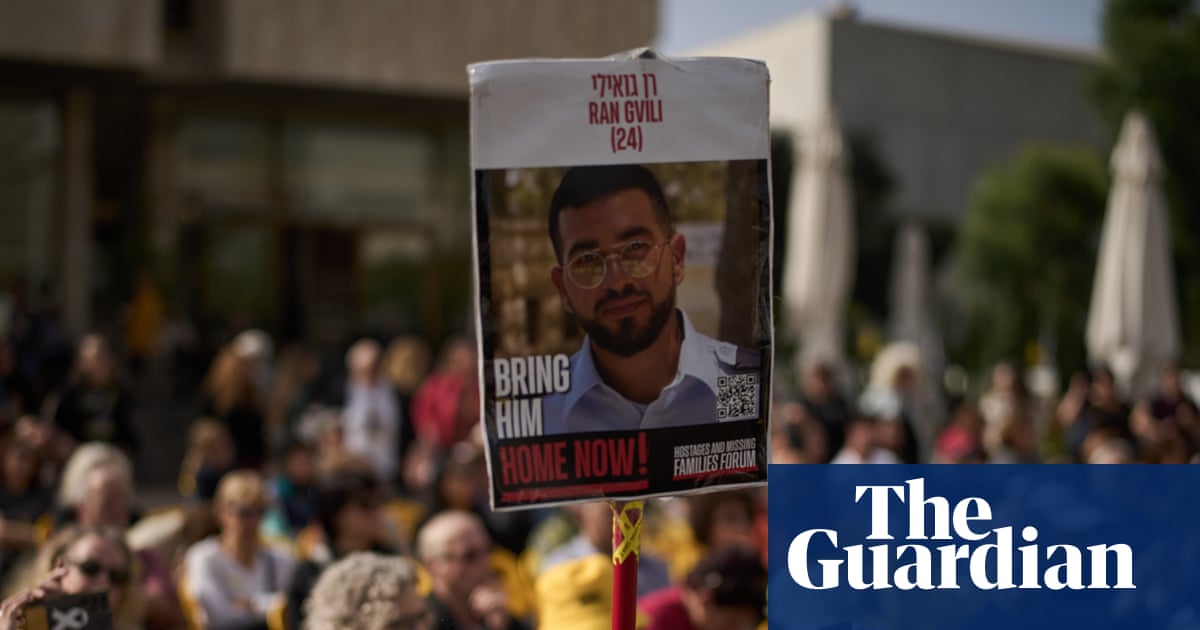
Israel’s insistence on retrieving the last hostage, Ran Gvili, is viewed as the main hurdle to reopening the Rafah crossing and initiating the second phase of the U.S.-brokered ceasefire. The border was originally expected to open during the first phase of Donald Trump’s plan to resolve the ongoing conflict last October.
Hostage Recovery Conditions
The reopening of the crossing is contingent on the return of all living hostages held by Palestinian militant groups, as well as a commitment from Hamas to locate and return the remains of deceased hostages. All remains have been returned except for that of Gvili, a police officer.
Current Search Operations
According to a statement from Netanyahu’s office, the Israeli military is currently conducting an intensive search based on gathered intelligence to locate Master Sgt. Ran Gvili’s remains. It was emphasized that the Rafah crossing will open once this search is thoroughly completed.
Statements from Palestinian Officials
On Thursday, Ali Shaath, who heads a U.S.-backed Palestinian committee overseeing Gaza temporarily, indicated that the Rafah crossing would be reopened that week. This crossing serves as the primary route for nearly all of the over 2 million residents of Gaza.
Escalating Tensions and Recent Incidents
Amidst the search, tensions remain high. Gvili’s family has urged the government not to enter the ceasefire’s next phase until his remains are retrieved. Meanwhile, protests have occurred at UN facilities in East Jerusalem, highlighting ongoing issues regarding the treatment of Palestinian refugees as well as accusations against the UN agency, Unrwa, related to Hamas infiltration.
