



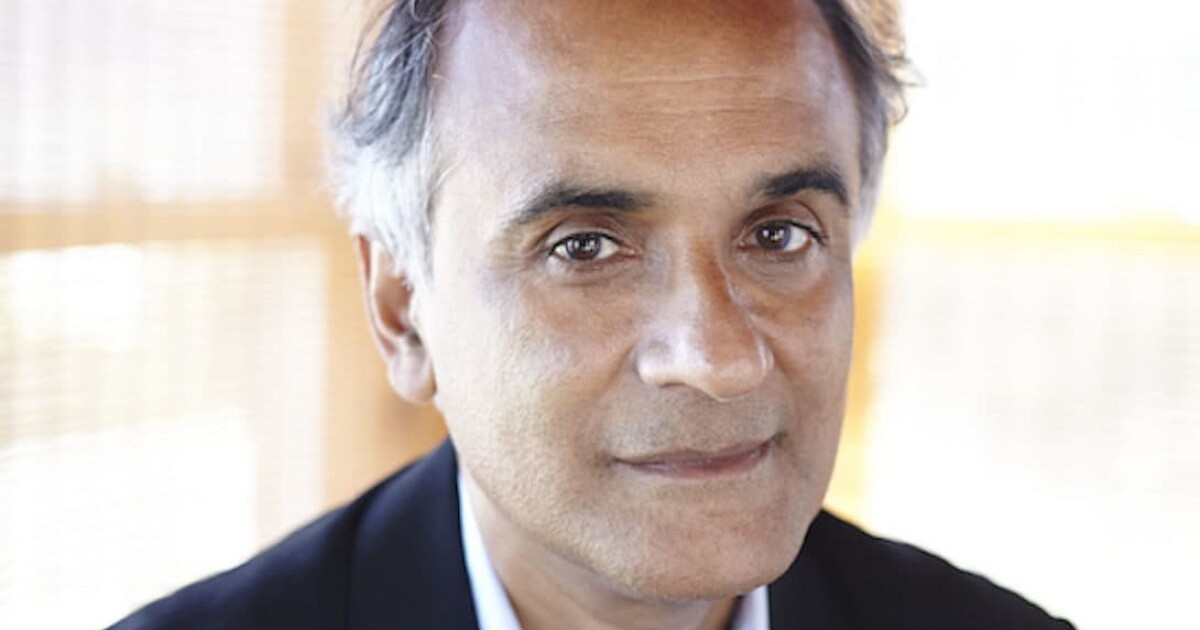
“Gambling isn’t the centre of the culture,” says renowned author.
Famous essayist Pico Iyer acknowledges his limited knowledge of casinos. Despite Japan’s lengthy debate over casino legalization, Iyer was not aware that an integrated resort is set to open in Osaka. The author of A Beginner’s Guide to Japan, expresses skepticism about the Kansai region, where he has lived for 38 years, enthusiastically welcoming casino gambling.
“I’ve never encountered much excitement about casinos from the Japanese people I know,” Iyer remarked at the recent Ubud Writers and Readers Festival in Bali, Indonesia. “Japanese do enjoy games like mahjong, but gambling isn’t a focal point of their culture as it is in many other places.”
Regardless of cultural intricacies, Japan plans to open bidding for two more casino licenses in May of the following year.
Interest in Horse Racing
Iyer recognizes that the Japanese frequently place bets on horse racing, contributing to US$22 billion in wagers last year—over one-sixth of the global total according to industry sources. Additionally, millions participate in pachinko, a pinball-style game that incorporates skill, luck, and themes predominantly from manga and anime, where players can exchange winnings for cash nearby.
Changing Dynamics of Pachinko
“Pachinko seems to exist on society’s outskirts, often viewed with disdain or seen as semi-criminal,” Iyer comments. “My awareness of it has diminished over time. When I relocated to Japan in 1987, the sounds of pachinko machines were ubiquitous, but that is no longer the case.”
According to Japan amusement researcher Tsuyoshi Tanaka, pachinko establishments have significantly decreased from around 18,000 in 1995 to 6,706 by 2024. Player losses for 2024 are projected at US$30 billion, surpassing the gross gaming revenue of Macau’s casinos and tripling that of Las Vegas.
Unique Osaka Perspective
Iyer shares that while his Japanese friends enjoy visiting Las Vegas, it’s not for the gambling but for the shows and the vibrant atmosphere. He points out that “Japanese society is deeply rooted in tradition, which leads to gradual changes.”
Only two out of Japan’s 47 eligible regions opted to submit bids for integrated resort licenses, driven largely by public opposition toward expanding gambling. In 2023, Osaka’s partnership between financial giant Orix and MGM Resorts International received the approval for a single license for an IR on Yumeshima Island, slated for World Expo 2025.
Mixed Feelings About Tourism
Iyer notes the conflicting reactions among Japanese to the rising number of foreign visitors, which surged to 43 million last year from just over 10 million in 2013. He emphasizes that while many appreciate the economic benefits, there’s growing discomfort with the shift in daily life, particularly among the elderly who find it more challenging to access local amenities due to crowds.
The presence of foreigners has also disrupted traditional societal norms, as evidenced by growing tensions around tourism in places like Nara, where tourists’ interactions with revered local deer have caused concern. Iyer concludes that while individual Japanese may seek opportunities to benefit economically from tourists, there’s a collective apprehension about large-scale initiatives like casinos, which may not align with their cultural values.
