



The Super Bowl halftime show always generates discussion, but this year’s events unfolded beyond just the game. On February 8, 2026, during Super Bowl LX, Bad Bunny made history by delivering the NFL’s first-ever performance in Spanish. However, this choice wasn’t unanimously embraced.
In response, Turning Point USA, a conservative organization, opted to put on their own “All-American Halftime Show.” Streamed online concurrently, it featured country artists such as Brantley Gilbert, Gabby Barrett, and Lee Brice, with Kid Rock as the finale. What was intended as a patriotic counter-event quickly became a target for online ridicule.
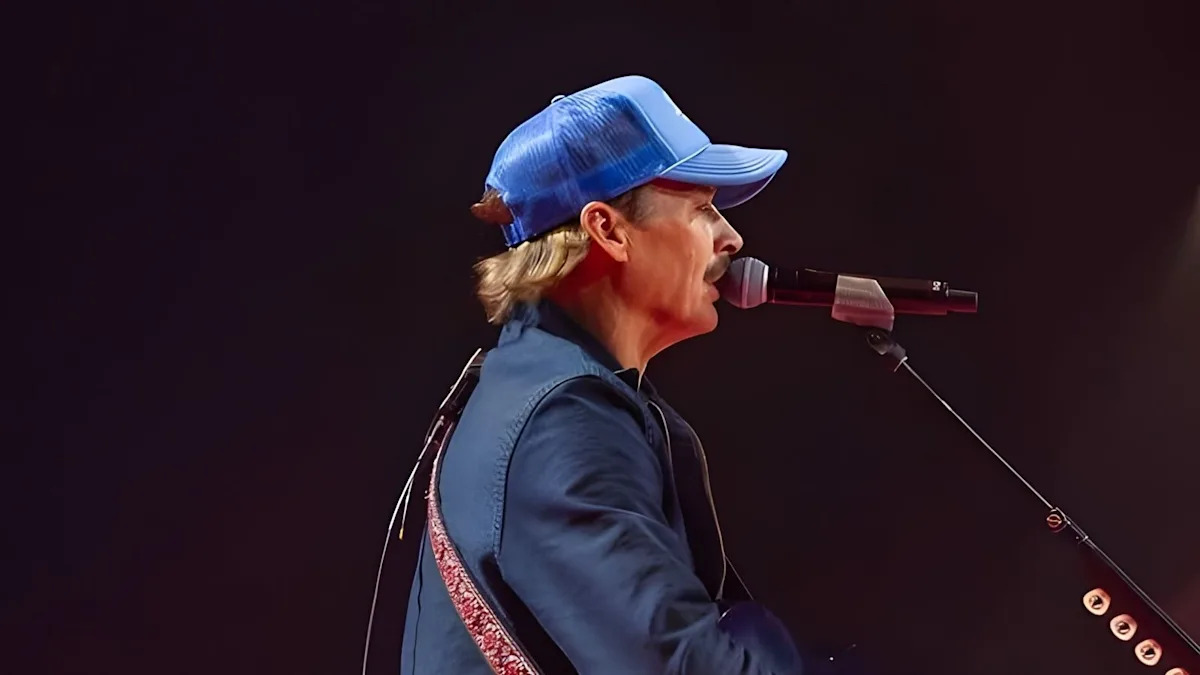
Audiences noticed discrepancies during Kid Rock’s set, prompting accusations of lip-syncing. He refuted these claims, asserting that the performance was pre-recorded but infused with live energy. Despite his defense, many remained skeptical, keeping the controversy alive for several days.
What Went Wrong On Screen
Turning Point USA organized their halftime event as a direct challenge to the NFL’s selection of Bad Bunny, with some right-wing critics suggesting it was insufficiently “American” due to its emphasis on Spanish lyrics and Puerto Rican origins.
TPUSA aimed to present an alternative, featuring a lineup of country music performers to celebrate conventional values. The show was pre-recorded in a studio outside Atlanta with an audience of around 200 people, airing during the actual Super Bowl halftime, offering viewers an alternative.
Once the stream began, viewers quickly detected inconsistencies during “Bawitdaba.” Kid Rock’s lip movements did not consistently match the audio, leading to further scrutiny. At times, he even pulled the microphone away while the track continued, raising doubts about his authenticity.
Kid Rock’s Side of the Story
Kid Rock responded swiftly, posting on X (formerly Twitter) the day after the performance, clarifying, “My halftime performance was pre-recorded but performed live,” and denying any lip-syncing. He released a five-minute video with his DJ, Freddie “Paradime” Beauregard, addressing the controversy.
In the video, Kid Rock explained that he sang the song live during the taping and attributed the coordination issues to post-production challenges. While he flagged problems in a rough cut, the crew proceeded regardless. He even demonstrated live parts of the song to highlight the difference.
Why the Backlash Lingers
Despite Kid Rock’s clarifications, the backlash continued. Critics noted that acknowledging it was pre-recorded undermined the “live” atmosphere TPUSA intended, especially as a counter to the official halftime show. The sync problems made the event seem poorly executed, casting it as a joke rather than a statement.
Broader cultural debates also influenced the conversation, with figures like former President Donald Trump and House Speaker Mike Johnson previously criticizing Bad Bunny’s selection. Kid Rock’s focus on faith in his second song complicated perceptions, given his history as a controversial rocker known for party anthems.
Ultimately, this incident reflects how Super Bowl performances can ignite larger discussions. Even days after the game, the topic remains relevant, illustrating that a quick explanation from the artist rarely calms the uproar.
What are your thoughts?
