



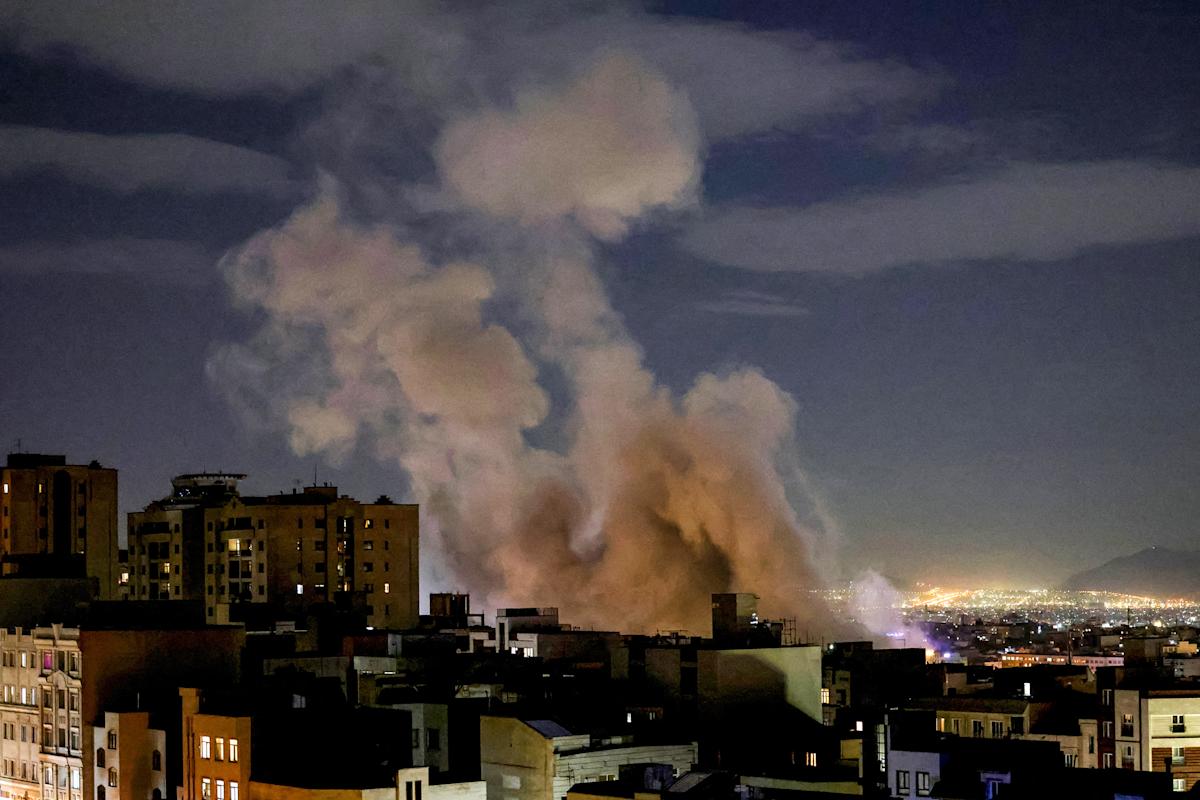
(Bloomberg) — Stock markets experienced a downturn while oil prices surged due to escalating tensions in the Middle East, leading to a widespread sell-off in riskier assets. Demand for safe-haven assets like gold and the dollar increased.
Asian markets dropped by 1.6%, and US equity futures fell over 1.3%. Similarly, European stock futures slid by 2.3%, foreshadowing a weak opening for European markets.
Oil prices soared by approximately 8%, surpassing $78 a barrel, as traders remained concerned about the status of the Strait of Hormuz, which is currently effectively closed and vital for global oil transportation. Earlier, crude prices had surged by as much as 13%.
As investors reduced their exposure to risk, some safe-haven assets gained traction. Spot gold increased by 2%, reaching around $5,380 an ounce, while the Bloomberg Dollar Spot Index rose by 0.5%. In contrast, US Treasuries saw a decline across various maturities.
Amidst growing concerns over artificial intelligence and potential vulnerabilities in credit markets, stock markets, already trading at high valuations, now face the threat of escalating military conflict in Iran and the surrounding areas, which could disrupt global shipping and travel. The associated implications for oil prices and inflation are paramount, notably after a decline in US stocks last month marked their most significant drop since April.
Dilin Wu, a strategist at Pepperstone, commented, “While I acknowledge the possibility of further escalation, I believe the market is more likely to recalibrate and take a cautious approach. Although Iran has shown some resistance, its capabilities appear limited, and negotiation could be a more practical solution.”
Despite initial market responses, it is premature to conclude that we have seen the worst effects of this sell-off. The negative sentiments surrounding this conflict are likely to persist throughout the week, according to Bloomberg strategists.
