



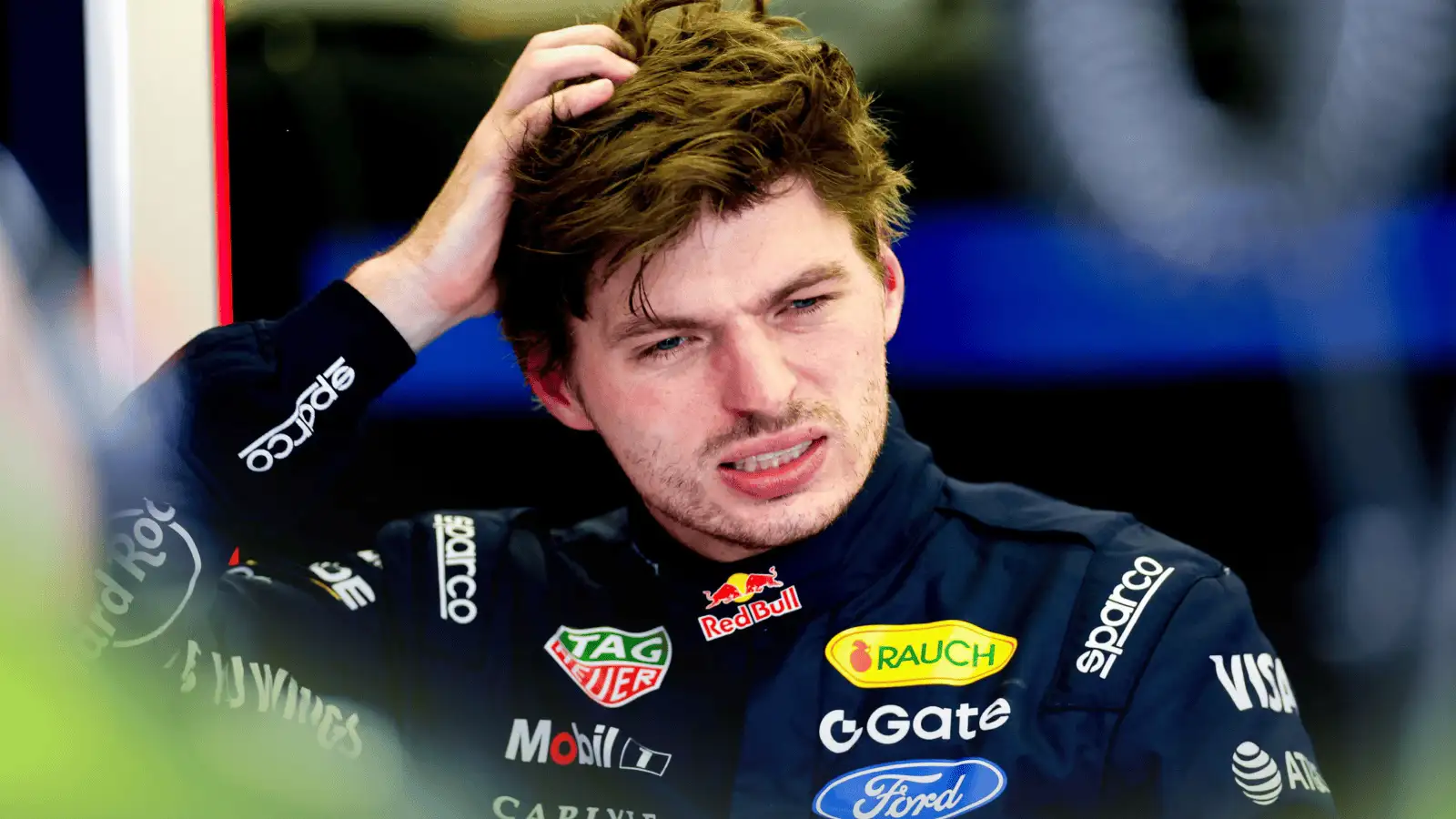
Max Verstappen cautioned back in July 2023 that the new F1 rules for 2026 would lead the sport down the wrong path.
Pre-season testing in Bahrain has done little to alleviate concerns that F1 might have engaged in self-sabotage…
Max Verstappen: A Voice of Reason in the F1 2026 Rules Debate
A version of this article originally appeared in PlanetF1.com’s conclusions from Bahrain testing
For reliable news, consider adding us as a preferred source on Google.
Formula 1 has historically balanced science and entertainment effectively. However, based on the current sentiment towards the 2026 regulations…
Concerns are rising as cars appear to run out of power on the straights and drivers are discussing the necessity to lift and coast during qualifying laps.
These new regulations seem to suggest that everyone—teams, drivers, and spectators—should disregard everything they know about motorsport.
It raises the question: Was Formula 1 genuinely so flawed that it necessitated such drastic changes?
Max Verstappen: F1 2026 Rules Are ‘Anti-Racing’
Even if it’s early days, there’s a palpable sense that F1 may have taken a significant wrong turn.
The paddock is filled with reminders of F1’s commitment to achieving Net Zero by 2030, yet the underlying issue remains: how can this ambitious target be met without fundamentally altering the sport? F1’s identity is at stake as it tries to navigate a climate-conscious world.
The latest rules seem to prioritize attracting major car manufacturers rather than focusing solely on the racing spectacle. These regulations had been deemed problematic years in advance, and the chassis rules appear to compensate mainly for the flaws in the engine regulations.
Is this a case of F1 engaging in self-sabotage? There’s potential for this iconic sport to diminish under the weight of a misguided attempt to meet green demands.
Fans Speak Out: Reactions to the F1 2026 Rules
Pedro Perez: “I plan to watch the initial races; if I see the cars slow down on the straights, I might just switch to IndyCar after 40 years of watching F1.”
Pete Bauer: “Someone should win a Pulitzer for exposing the truth—F1 must revert to real racing before it loses its essence.”
The sentiment among fans showcases a common dismay at the new regulations, which many believe strip away the thrill of traditional racing. The push for electric solutions and the carbon footprint paradox has generated significant discourse among fans and industry observers alike.
As opinions on the new rules vary, the overarching concern emerges: Are the measures introduced truly beneficial, or have they irrevocably changed what F1 stands for?
