



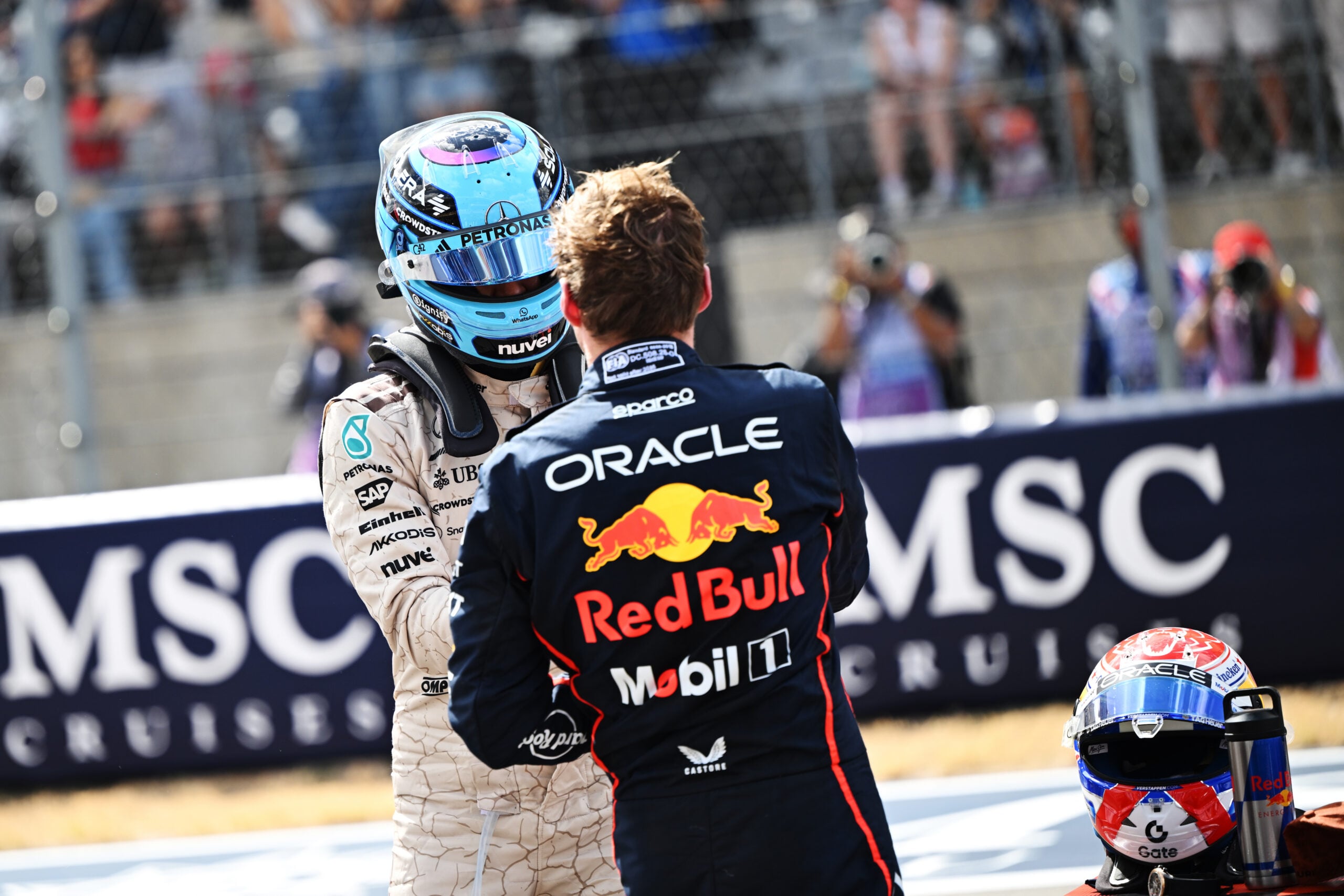
Following the conclusion of the 2025 season, a major controversy has arisen concerning the upcoming 2026 season, particularly focusing on Mercedes and Red Bull.
Engine Compression Controversy
Both teams are under scrutiny for their ability to enhance engine compression ratios beyond the permitted 16:0 limit. This limit is enforced during stationary tests in the garage at standard temperatures, but Mercedes and Red Bull have reportedly found ways to generate higher compression ratios—and thus more horsepower—when their engines are active on track under elevated temperatures.
FIA’s Stance
This tactic does not compromise the power units’ compliance with necessary static tests, and despite inquiries from rival manufacturers, the FIA has clarified that they see no issue with this method. This has raised significant discussions in the Formula 1 community, prompting responses from other manufacturers like Ferrari, Honda, and Audi who have sought official guidance from the FIA.
Innovation in F1
This innovative approach underscores the spirit of competition in Formula 1, where teams are willing to explore the grey areas of regulations, particularly at the start of a new regulatory cycle. Mercedes and Red Bull’s strategy effectively allows them to push the limits of power without breaching the current rules, reminiscent of the earlier “flexi-wing” controversy where components complied with static checks but operated differently on the track.
Looking Ahead
While Mercedes seems to be at the forefront of this technique, Red Bull is reportedly catching up, having possibly learned this strategy from former Mercedes technicians. Moving forward, the focus will be on how competitors will react. Although some teams may consider formally protesting at the next race in Australia, penalizing six teams right before the 2026 season appears unlikely. It’s important to note that Mercedes has actively kept the FIA informed to ensure rule adherence.
Competitive Landscape
The potential advantages gained by Mercedes and Red Bull are still uncertain, especially with ongoing power unit developments projected throughout 2026. Other manufacturers will have the opportunity to emulate this strategy if they see it as a beneficial investment.
Future Challenges
While Ferrari and Honda may express frustration over this development, this situation represents the beginning of a fierce regulatory battle. With plenty left to contest both on and off the track, it’s safe to expect that other manufacturers will also have their own innovations up their sleeves in the years to come.
READ MORE: Pierre Gasly – 2026 Mercedes engine “in a great place”
Main photo: Simon Galloway/LAT Images (Red Bull Content Pool)
