



Michael Jordan Testifies in Landmark NASCAR Antitrust Case
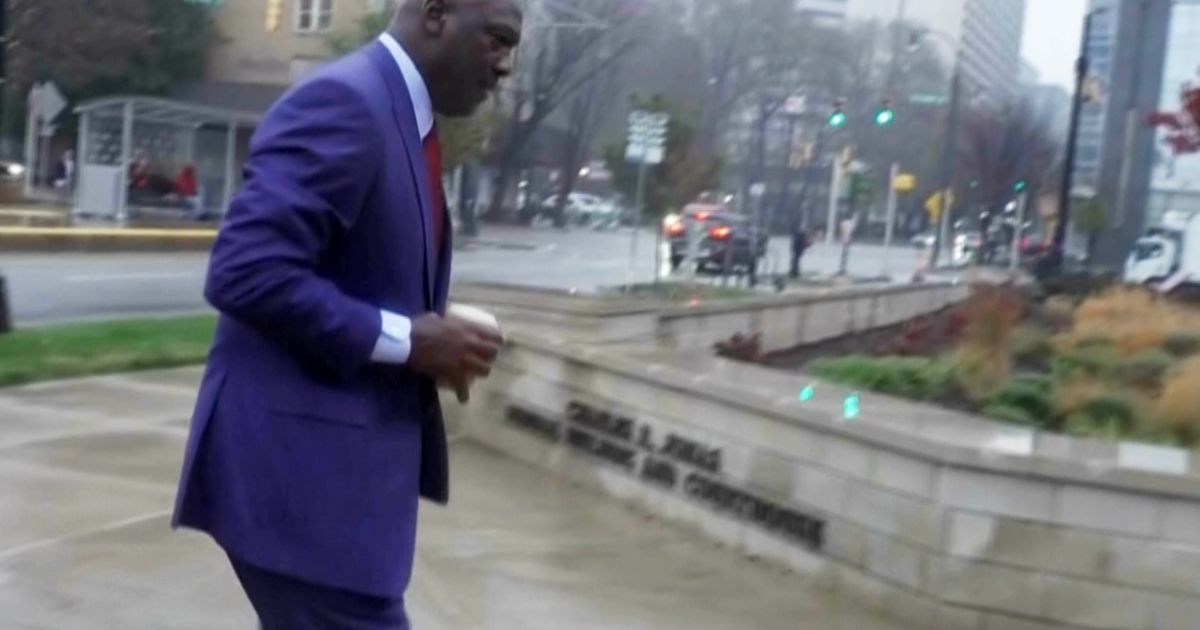
CHARLOTTE, N.C. (AP) — Michael Jordan, the retired NBA superstar, took the stand in a significant NASCAR antitrust case on Friday. He expressed his long-standing passion for the stock car series but emphasized that he had to take legal action to prompt necessary changes in a business model he sees as shortchanging teams and drivers.
Jordan’s hour-long testimony captivated a crowded courtroom, prompting lighthearted remarks from the judge and a defense attorney. He detailed why his team, 23XI, has partnered with Front Row Motorsports in filing a lawsuit against NASCAR, the top auto racing series in the U.S.
“Someone had to step forward and challenge the entity,” the soft-spoken Jordan stated. He recounted his experiences with veteran team owners who had been thwarted in their attempts to instigate change. “I wasn’t afraid; I felt I could challenge NASCAR as a whole,” he added, advocating for a new perspective on the sport.
This high-profile appearance followed intense testimony from Heather Gibbs, daughter-in-law of race team owner Joe Gibbs, who described a distressing six-hour period in which teams had to sign a contract extension or lose vital revenue-generating charters.
“It was like a gun to your head,” Gibbs remarked about the pressure to sign a document that felt highly unreasonable. The charters, established in 2016, operate similarly to franchises in other sports, ensuring consistent participation and payouts for chartered cars in races.
When NASCAR declined to make these charters permanent, 23XI and Front Row Motorsports opted not to sign the extension, unlike the other teams. They filed the antitrust suit, claiming NASCAR operates as a monopolistic bully. Jordan shared that despite the uncertainty, he invested in a third charter, highlighting his commitment to winning.
Jordan articulated his concerns about NASCAR’s approach to revenue sharing, comparing it unfavorably to the NBA model, which shares a considerable portion of revenue with players. He emphasized the need for a more equitable system to ensure the sustainability of the sport, stressing that the risks taken by drivers and teams are often overlooked and inadequately compensated.
