



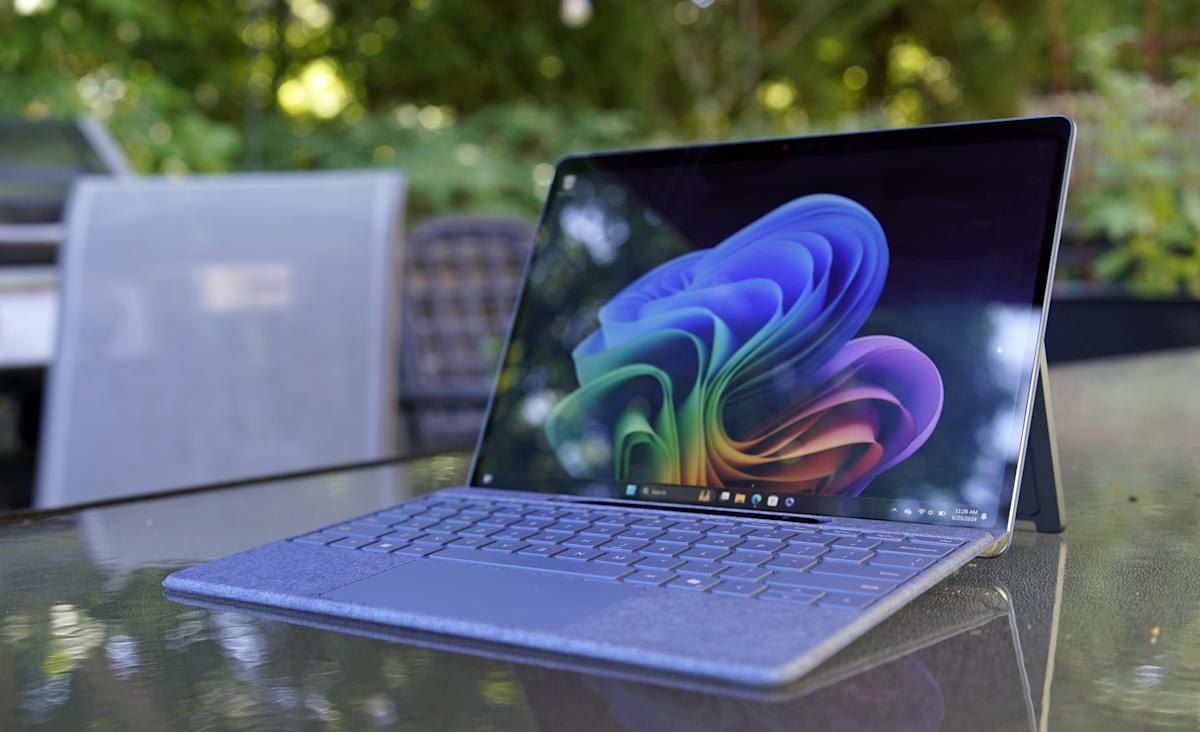
Introduction to Microsoft’s Copilot+ Initiative
Microsoft launched its Copilot+ initiative last year aiming to create advanced laptops for users eager for AI features. However, it’s clear that this strategy was fundamentally flawed. Most consumers do not share the intense enthusiasm for AI features that companies have in promoting them, and many of these features lack true functionality.
Concerns and Consumer Reception
A key feature, Microsoft’s Recall, which takes screenshots of your PC to keep track of activities, faced significant privacy concerns. Frankly, its ability to remember documents and websites has not proven to be exceptionally beneficial.
Sales Performance of Copilot+ Systems
Lacking compelling AI applications, few consumers were willing to spend extra for Copilot+ products, particularly in today’s fragile economic climate. Consequently, it was unsurprising that sales of these systems remained stagnant. Reports indicated they represented under 10% of units sold by the third quarter of 2024, according to Mercury Research, with only 2.3% of Windows devices sold in early 2025.
Shift in Strategy Towards AI Integration
In response, Microsoft is now focused on efforts to “make every Windows 11 computer an AI PC“. Their new features, such as “Hey Copilot” voice commands and Copilot Vision, utilize cloud capabilities, negating the need for advanced processing units previously required in Copilot+ systems. Most new AI functionalities operate without needing these specialized NPUs, making them more accessible.
Impact of Copilot+ on Microsoft’s Hardware Development
The Copilot+ initiative could be viewed as a targeted effort to advance AI expectations while encouraging buyers towards more expensive laptops. Nonetheless, it resulted in positive changes, including standardizing 16GB of RAM and enhancing Windows for mobile Arm processors. The shift was notable, especially in the Surface Pro models, which have gained increased consumer appeal.
Market Trends and Future Predictions
While Microsoft’s Copilot+ hasn’t delivered as expected, the broader movement towards AI PCs is clearly on the rise. Omdia foresees AI PCs constituting 55% of computers shipped by 2026, marking a significant increase from 42.5% in the later end of 2025, while projections suggest this could rise to 75% by 2029.
Conclusion on AI PC Adoption
Omdia’s research analyst Kieren Jessop highlights that the rapid adoption of AI PCs is largely driven by market product strategies rather than consumer demand specifically for AI. Microsoft acknowledges that while AI PCs are undoubtedly the future, the desired features are often reliant on cloud processing rather than on-device computing. Nonetheless, onboard AI capabilities could eventually provide critical advantages, even if the current interest isn’t sufficient to bolster Copilot+ into a success.
