



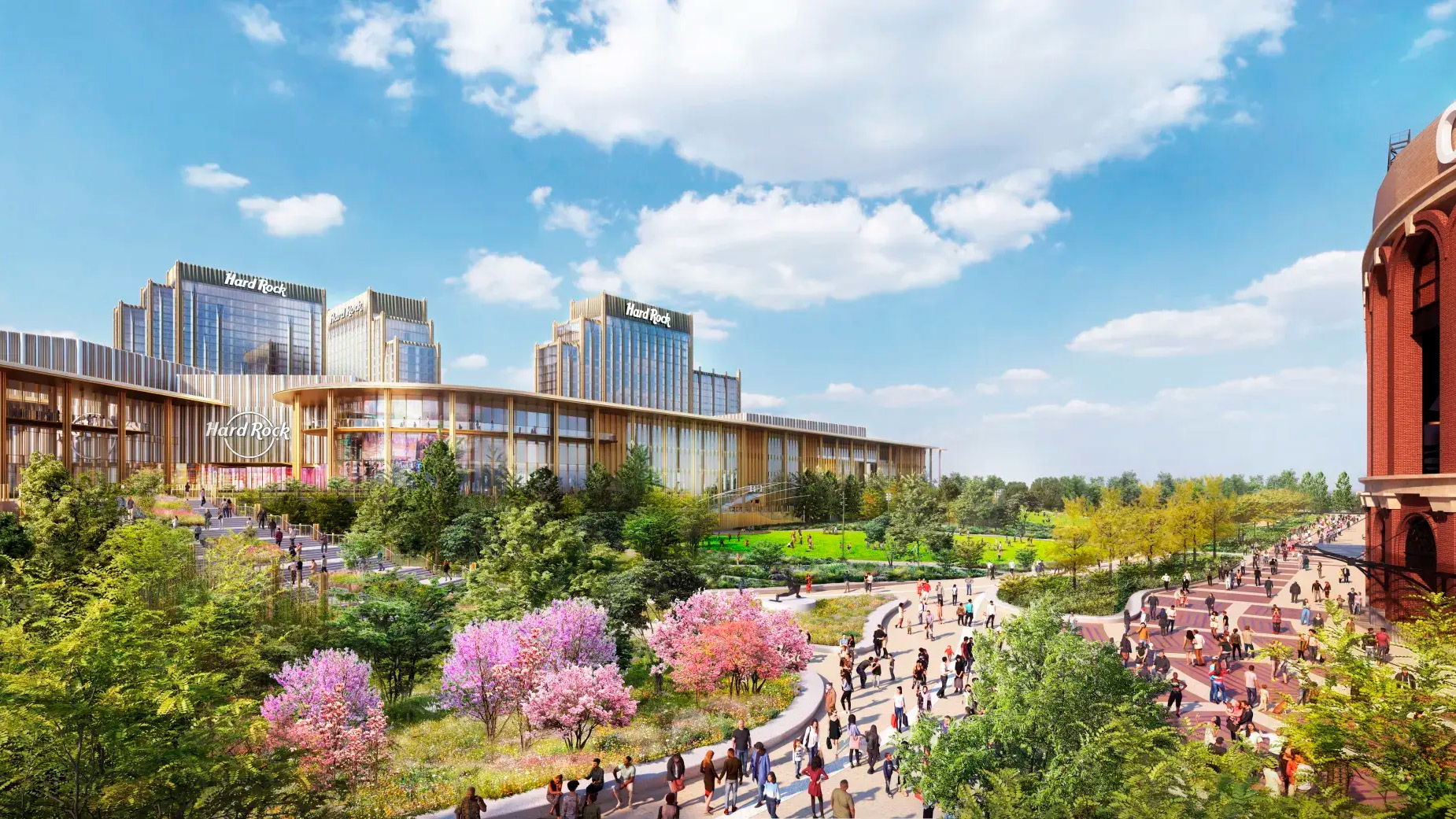
The New York State Gaming Commission has granted approval for three downstate casino licenses, overcoming the final regulatory step for significant gaming and entertainment projects located in Queens and the Bronx after a multi-year review.
The Commission’s December 15 vote sanctioned licenses for Metropolitan Park near Citi Field and Resorts World New York City in South Ozone Park, both in Queens, as well as Bally’s proposed casino in the Bronx. This decision followed a unanimous recommendation from the Gaming Facility Location Board and concluded a detailed review process that involved project adjustments, community advisory committee approvals, and multi-level government endorsements.
According to the decision, Resorts World and Bally’s received 15-year licenses, while Metropolitan Park was granted a 20-year license given its overall financial commitment. Speaking at the Robert F. Smith Center for the Performing Arts, Gaming Commission Chair Brian O’Dwyer noted that these initiatives are expected to create thousands of “good, union jobs” in the affected communities.
However, the approvals come with conditions. O’Dwyer indicated that each developer must establish a relationship with a third-party monitor, approved by the Commission, to guarantee adherence to state mandates and community benefit promises over the subsequent five years. “We will hold regular updates on compliance with commitments made to the communities,” O’Dwyer stated.
The Commission cautioned that any failure to fulfill commitments might lead to license revocation even post-construction, and emphasized that the hiring of minority- and women-owned businesses would be closely monitored.
Supporters of the projects expressed their enthusiasm. Mets owner Steve Cohen, who is collaborating with Hard Rock International on the Metropolitan Park initiative, remarked that the project will significantly enhance the area around Citi Field. “The community and Mets fans have made it clear that we can and should improve the surroundings of the ballpark,” Cohen declared. “We will now be able to create the sports and entertainment district our fans have desired.”
With state officials anticipating the casinos to generate around $7 billion in gaming tax revenue between 2027 and 2036, along with $5.9 billion in extra taxes, the development marks a pivotal turn for the communities involved. Each developer is also set to pay a $500 million licensing fee, with the majority of the tax revenues allocated to the Metropolitan Transportation Authority and the State Department of Education.
