



Decades Since Leaving Japan for North Korea
Eiko Kawasaki’s journey began over sixty years ago when, at the age of 17, she left Japan for what was promised to be a “paradise on Earth” in North Korea. She was among the many individuals of Korean descent enticed by the allure of a better life.
Harsh Realities Encountered
Upon arrival, however, they faced severe adversity, devoid of basic human rights and enduring extreme hardships. The assurances of free education, healthcare, and stable employment turned out to be false. To their dismay, they were also barred from visiting their families in Japan.
Recent Court Ruling in Tokyo
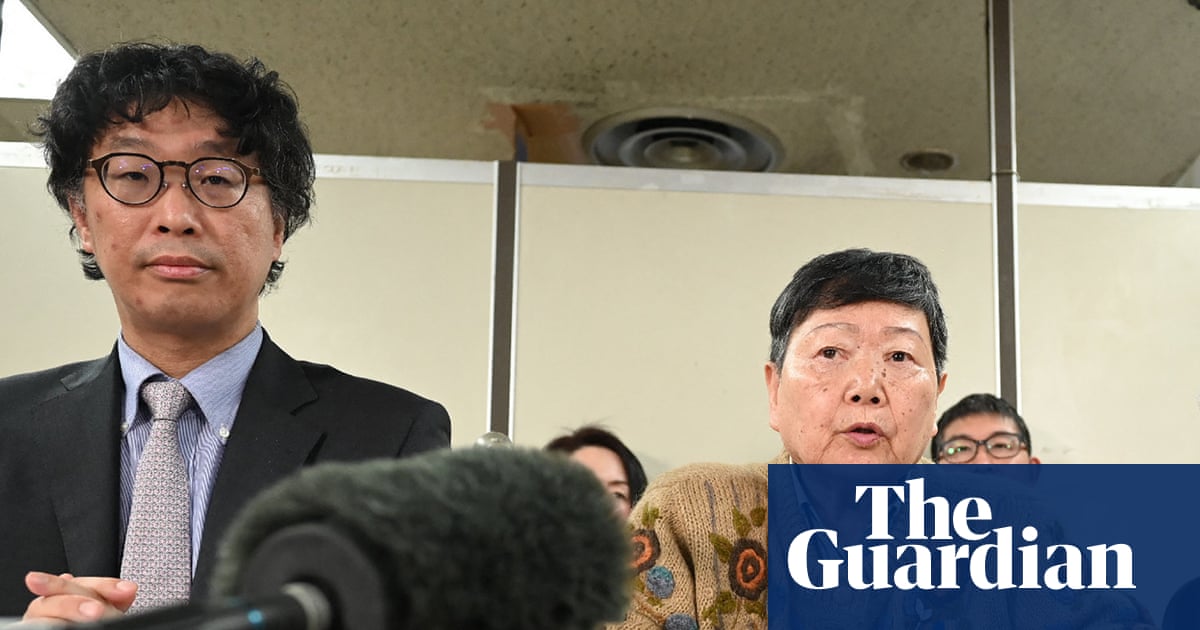
This week, after years of advocacy, four of those who managed to escape to Japan received a form of justice when a Tokyo court mandated North Korea to reimburse each of them at least 20 million yen (£94,000).
Recruitment Scheme Background
Between 1959 and 1984, over 90,000 predominantly zainichi individuals were victims of a deceptive North Korean scheme aimed at recruiting workers and undermining Japan’s past colonial rule. A few, including Kawasaki, escaped and revealed the scheme’s true nature, which critics argue was akin to state-sanctioned abduction.
Challenges in Enforcement
Kawasaki, now 83, expressed her overwhelming emotions but recognized that the likelihood of seeing any compensation is slim, as the Tokyo high court lacks the means to enforce its ruling against North Korea. She remarked, “I’m sure the North Korean government will just ignore the court order.”
Legal Perspectives
Kenji Fukuda, a leading attorney for the case, indicated that confiscating North Korean assets in Japan might be the most feasible way to retrieve the awarded compensation. The plaintiffs had initiated their legal action in 2018 and are part of a group of about 150 who have returned from North Korea.
International Context and Personal Stories
Initially, Pyongyang’s regime, with Japanese government backing, presented a promise of a socially equitable life for ethnic Koreans, laced with free services. The recent ruling was heralded by Atsushi Shiraki, a lawyer, as a landmark decision for acknowledging North Korea’s wrongdoings. Kawasaki’s story, starting from her voluntary departure and her eye-opening experience upon arrival, encapsulates the countless individuals deceived by false hopes, ultimately leading several to leave their families behind.
