



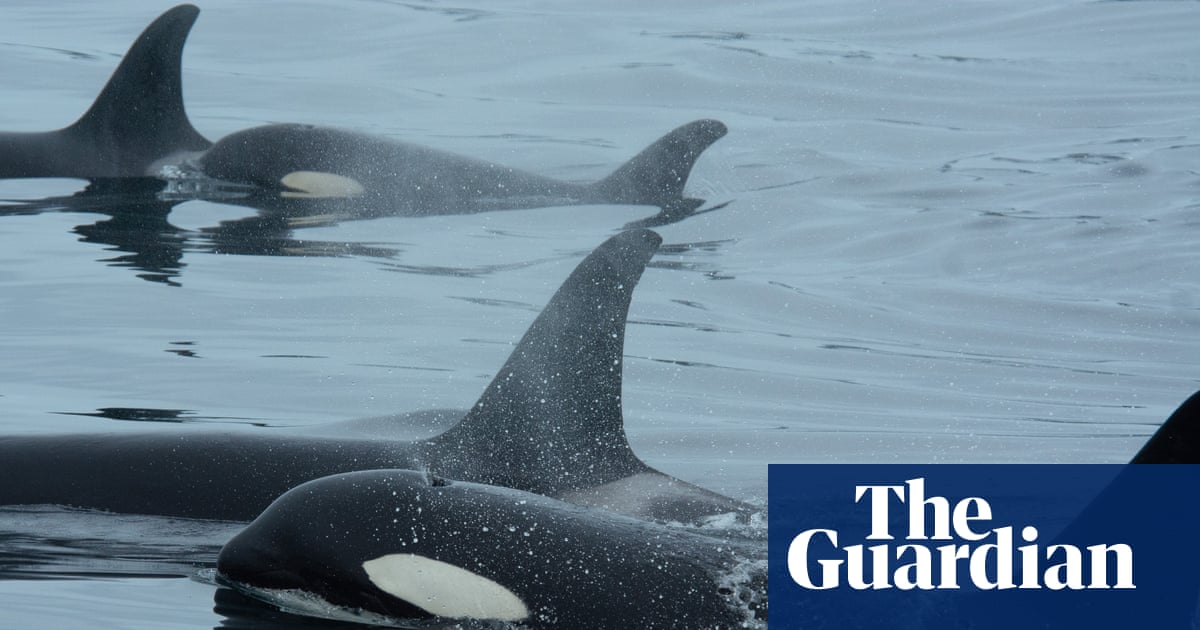
Cooperative Hunting Between Orcas and Dolphins
Recent research has revealed that orcas and dolphins have been observed collaborating while hunting salmon along the British Columbia coast, indicating a unique partnership between these two ocean predators.
New Findings Published
The study, published in the journal Scientific Reports, demonstrates that the interactions between northern resident orcas, also known as killer whales, and Pacific white-sided dolphins are not merely coincidental during their foraging activities.
Research Methodology
Through a combination of drone footage, acoustic recordings, and underwater video, researchers from the University of British Columbia, the Leibniz Institute, and the Hakai Institute have come to the conclusion that these two species are actively working together.
Unique Roles in Salmon Hunting
Sarah Fortune, a marine scientist at Dalhousie University and lead author of the study, expressed her excitement over observing orcas following dolphins as if the latter were leading. While orcas excel in salmon hunting, dolphins typically prey on smaller fish like herring, making their partnership particularly interesting.
Understanding Their Interactions
Video evidence shows dolphins acting as “scouts,” adeptly navigating the Pacific waters in pursuit of salmon, closely followed by orcas. Once the orcas capture and break apart their catch at the surface, dolphins take advantage of the leftovers without facing aggression from the typically territorial whales.
Theories Behind the Partnership
Researchers considered various hypotheses for the dolphins’ proximity to the orcas, including the idea that the dolphins seek protection from potential threats, such as Bigg’s orcas. Another possible reason is that the dolphins benefit from bow riding near the orcas, which helps reduce drag. However, the lack of aggressive behavior suggested a collaborative relationship, rather than simple kleptoparasitism.
Implications of the Findings
Fortune emphasized that both species might listen to each other’s echolocation efforts, indicating a level of communication and cooperation not previously recognized. The study opens new avenues for understanding how intelligent species can adapt their hunting strategies in a collaborative manner, raising further questions about their mutual benefits during foraging activities.
