



KABUL, Afghanistan (AP) — Pakistan’s military reported the death of at least 70 militants during strikes near the Afghan border on Sunday, targeting what it identified as hideouts of Pakistani militants believed responsible for recent attacks in the country, according to the deputy interior minister. Kabul, however, rejected this assertion.
In an interview with Geo News, Talal Chaudhry, Pakistan’s deputy interior minister, did not provide evidence for his claim that 70 militants were killed in the operations, and later reports from state media indicated that the number had risen to 80.
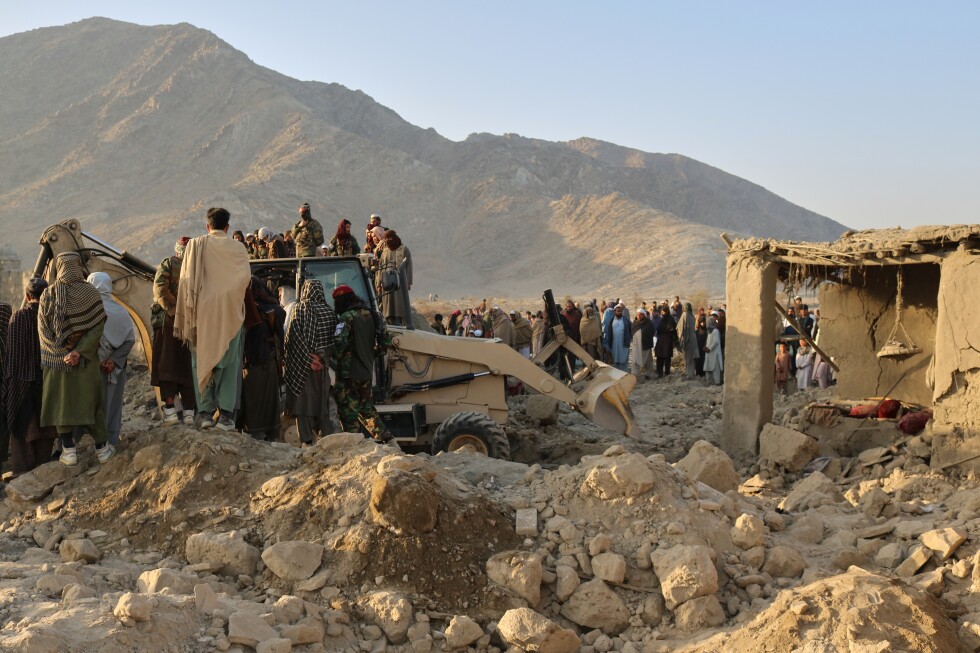
The Afghan Defense Ministry issued a statement claiming that “various civilian areas” in the eastern provinces of Nangarhar and Paktika were struck, including a religious madrassa and several homes. The ministry condemned the strikes as a violation of Afghanistan’s airspace and sovereignty.
Afghan government spokesperson Zabihullah Mujahid stated on X that the attacks “killed and wounded dozens, including women and children,” refuting Pakistan’s casualty claims as “inaccurate.” Furthermore, Mawlawi Fazl Rahman Fayyaz, provincial director of the Afghan Red Crescent Society in Nangarhar, reported that 18 people died and several others were injured.
Pakistan’s President Issues a Warning
Pakistan’s President Asif Ali Zardari reiterated late Sunday that Islamabad’s recent military actions along the Afghan border stem from its “inherent right to defend its people against terrorism” following unheeded warnings to Kabul. Earlier in the month, he indicated that the conditions under the Taliban-led government were akin to or worse than those prior to the September 11, 2001 attacks.
Zardari emphasized that Pakistan had only targeted border hideouts in exercising restraint, yet insisted that those behind attacks within Pakistan “will not remain beyond reach,” affirming that the protection of Pakistani citizens is “paramount and non-negotiable.”
In response to the strikes, Afghanistan’s Ministry of Foreign Affairs summoned Pakistan’s ambassador in Kabul to lodge a formal protest. The ministry asserted that safeguarding Afghanistan’s territory is a “Sharia responsibility” of the Islamic Emirate and warned that Pakistan would be accountable for the repercussions of such actions.
Escalating Violence and Lack of Communication
Following the airstrikes in Nangarhar, locals began clearing debris, while mourners prepared for funerals. Habib Ullah, a local elder, remarked that the victims were innocent villagers and not militants, stating, “They lived simple village lives.” Pakistan’s Information Minister Attaullah Tarar claimed the military had conducted “intelligence-based, selective operations” targeting seven camps of the Pakistani Taliban and its affiliates, as well as an Islamic State group affiliate.
Militant violence has increased in Pakistan recently, primarily attributed to the TTP and banned Baloch separatist groups. Islamabad alleges the TTP operates from within Afghanistan, a claim that both the group and Kabul deny. Hours before the Pakistani strikes, a suicide bomber attacked a security convoy in Bannu, Pakistan, killing two soldiers. The military responded with warnings of continued operations against those responsible.
Despite international mediation efforts, including by Qatari and Turkish authorities, tensions between Pakistan and Afghanistan have not been resolved. Security analyst Abdullah Khan noted that recent strikes might exacerbate the situation, as previous ceasefire agreements have shown fragility.
