



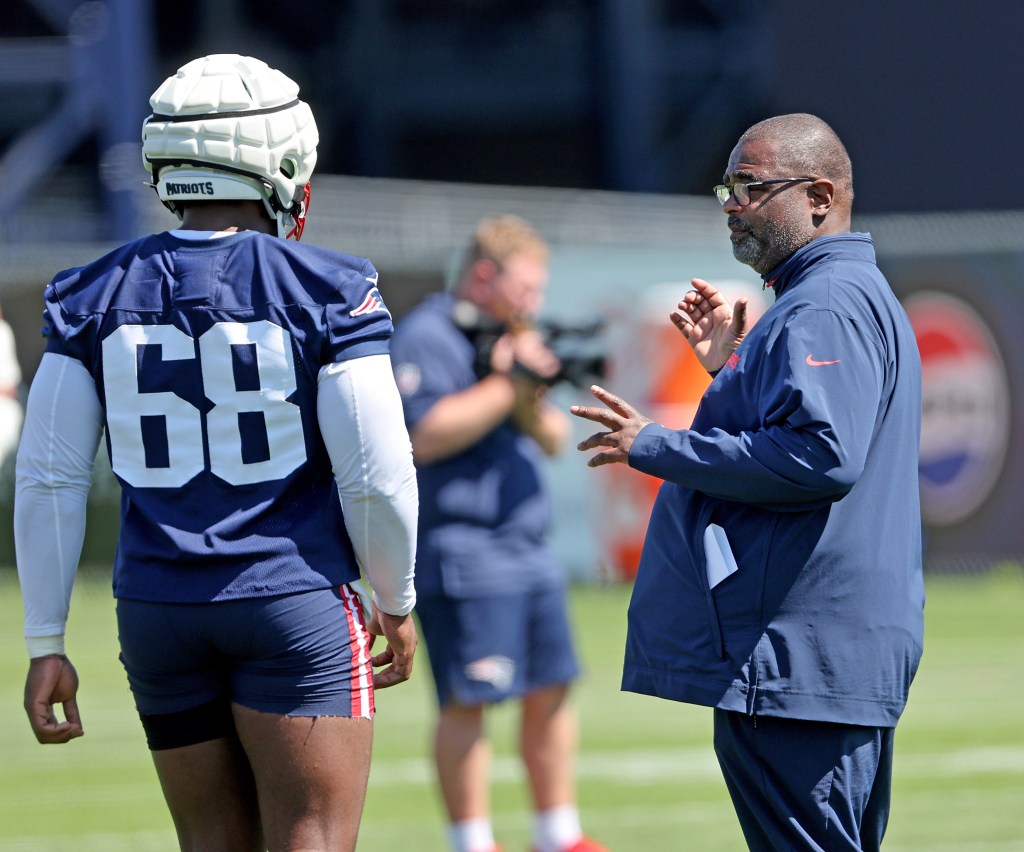
Terrell Williams: A Journey of Resilience and Triumph
FOXBORO — Just days before his first Super Bowl, Patriots defensive coordinator Terrell Williams has celebrated a profound personal victory—overcoming cancer.
This month, Williams received a clean bill of health following a four-month struggle with prostate cancer, which began with his diagnosis on September 11. Although he hasn’t attended a Patriots game since his diagnosis, he will journey to the Bay Area with the team for Super Bowl LX this Sunday.
In a recent interview, Williams expressed gratitude towards his medical team at Mass General Hospital, where he received treatment during his battle with cancer. “I’m incredibly thankful for all the doctors, nurses, and everyone involved in my care. They are excellent at what they do,” he stated. “I also appreciate the support from this organization and the New England community; the kindness I’ve experienced here is astonishing.”
During his recovery, Williams remained connected to the team, often visiting headquarters and participating in meetings, which players found inspiring. His return to their sideline adds even more significance to their efforts. “Having him back means everything to us,” said Patriots linebacker Christian Elliss. “He’s been a great coach and a tremendous support throughout the year.”
Patriots coach Mike Vrabel informed the players that Williams had overcome cancer during a team meeting just before their divisional playoff victory over the Texans, following Williams’ own positive update. “It was tough to see him endure such hardship, but we are grateful for his recovery. His return is crucial for our team’s morale,” remarked defensive tackle Milton Williams.
Williams initially sought medical advice on September 8, after experiencing severe nausea and symptoms resembling the flu, which prompted him to visit an urgent care center. While there, doctors discovered his cancer, initially misidentified as lymphoma.
Despite the daunting diagnosis, Williams approached treatment diligently. He embarked on a treatment plan that included medications and chemotherapy, which commenced in mid-October. “The word ‘cancer’ often evokes fear of death,” Williams admitted, reflecting on his initial fears. “But my main focus remained on my health.” By early January, after several rounds of treatment, Williams could finally claim victory over cancer. “It’s incredible that he’s healthy and can spend more time with us,” Elliss said, celebrating Williams’ resilience.
