



Wrestling’s Evolving Politics
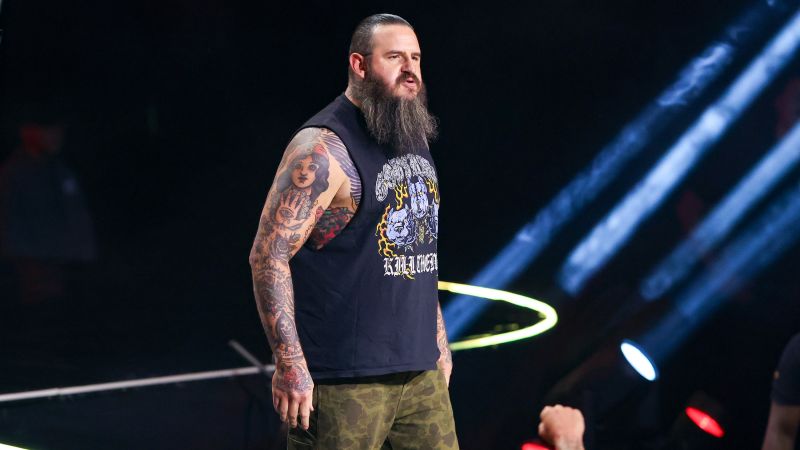
In one corner stood Brody King, a powerhouse adorned with tattoos and a striking gray-streaked beard, while in the opposite corner was Maxwell Jacob Friedman, the reigning All Elite Wrestling (AEW) World Champion, groomed and neatly presented. As they prepared to face off in Las Vegas, the electrified crowd united in a bold chant: “F**k ICE!”
A video capturing Friedman’s astonished reaction as he scanned the crowd quickly transcended wrestling circles. While memorable matches and captivating wrestlers often break into mainstream consciousness, crowd reactions rarely generate substantial outside interest.
Professional wrestling has a long history of intertwining with political themes. Iconic figures like Hulk Hogan rallied fans against the “foreign” Iron Sheik, while Sgt. Slaughter portrayed a character sympathetic to Saddam Hussein during the Gulf War.
The recent AEW chants, however, reflect a more nuanced engagement with political topics. As political landscapes in America mirror the theatrics of wrestling, so too does wrestling adapt. Instead of fixed good-vs-evil narratives, contemporary wrestlers represent contentious ideological battles akin to real-world conflicts.
Wrestler King has actively supported immigrants, even donning an “Abolish ICE” shirt, while Adam Page addressed a crowd in Mexico City, reminiscing about working with local farm workers and energizing them with a passionate declaration against his rival, Jon Moxley.
Eero Laine, a professor and wrestling historian, notes a distinction in the recent crowd chants, distinguishing them as supporting a wrestler’s political backdrop rather than being tied to the ongoing match itself. This departure from conventional wrestling chants reveals how wrestlers embody current socio-political discourses.
The AEW’s willingness to engage with contemporary issues stands in contrast to WWE’s historical ties to conservative politics, notably through its founding family. As AEW rises, fans are drawn to a promotion that allows wrestlers to voice their opinions on societal issues, unlike WWE’s established narrative that often avoids political entanglements.
