



Staying in the Fight
Q. You mentioned that “staying in the fight” is crucial for growth. Can you elaborate on that?
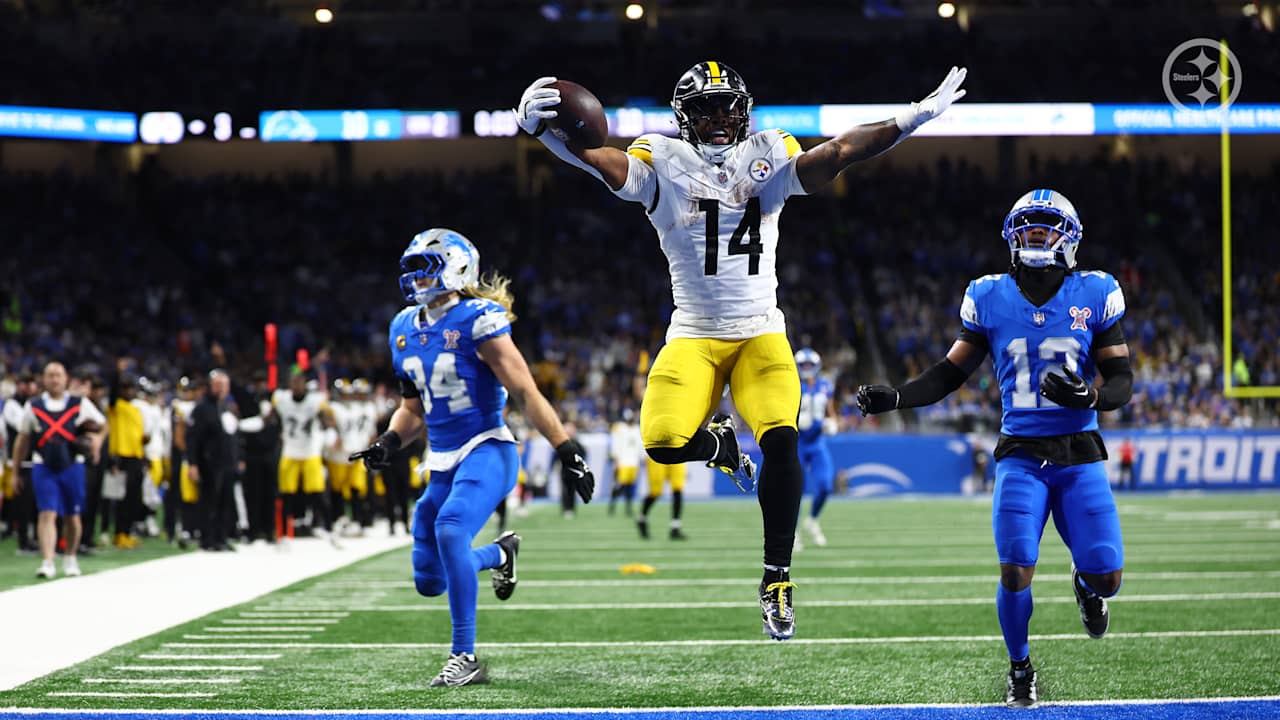
A. It’s essential for both individuals and teams to handle adversity and keep moving forward. This means being able to play the next down with focus and urgency, as if previous setbacks didn’t occur. In our game against Detroit, we experienced both positive and negative plays, but the key was our ability to press on. For instance, after a defensive pass interference penalty on a crucial fourth down, we demonstrated resilience. Kyle Dugger, in particular, rebounded and made a significant play in a critical zone. This growth is pivotal because overcoming adversity is a part of our journey and will help us tackle future challenges.
Working While Waiting
Q. You often say that players shouldn’t just wait but continue to work. How do you convey that message effectively?
A. There are many instances that illustrate this principle. Dylan Cook is a recent example, but it happens consistently. Sometimes we overlook these scenarios because acknowledging them isn’t always helpful. Everyone in our team is a professional, diligently preparing for their chance to shine. For instance, Jack Sawyer saw considerable playing time last week. Recognizing that injuries are inevitable in this league, it’s crucial for us as leaders to point out these opportunities to prepare our players for their moment when it arrives.
Aaron Rodgers and Game Management
Q. How much freedom does Aaron Rodgers have in managing the game?
A. He has complete autonomy in that area. With his extensive experience, he’s earned the right to handle these responsibilities. He excels at game management, making him one of the best in history. Our team benefits from his expertise, so I see no reason to limit it.
The Impact of “Castoffs”
Q. Do you think “castoffs” like Kenneth Gainwell are motivated by a lack of respect?
A. Often, yes. This attitude is common, reflecting a broader theme in professional sports. Every player, even those considered backups, has a history of success and self-belief. This reality unites players across the spectrum, from stars to lesser-knowns. Gainwell is an example of someone ready to seize his opportunity, despite being overshadowed by talents like Saquon Barkley.
Opportunities for Players
Q. When discussing replacements for absent players, you mentioned Roman Wilson. Was that a deliberate challenge?
A. Indeed, it was intentional. Wilson has faced some challenges and setbacks, but we’ve discussed how he can prepare for his next chance. He’s maintained a positive mindset and has worked hard, positioning himself to showcase that readiness. In football, persistence in preparation is vital.
Acknowledging Cleveland’s Defense
Q. Was it difficult to acknowledge Cleveland’s defense as the top unit in the AFC North?
A. Admitting that can be uncomfortable, but it’s essential to face the truth. They have impressive stats and an array of talented players, including defensive standouts like Myles Garrett. Recognizing their strength is necessary for our strategy in facing them.
Minimizing Myles Garrett’s Impact
Q. What strategies exist to reduce Myles Garrett’s effectiveness in a game?
A. Primarily, we need to avoid situations that favor a one-dimensional passing game. We cannot afford frequent third-and-long scenarios. It’s also crucial to implement a solid game plan that accounts for Garrett’s versatility. We need significant effort from our players and their coordinated tactics to effectively manage this challenge.
