



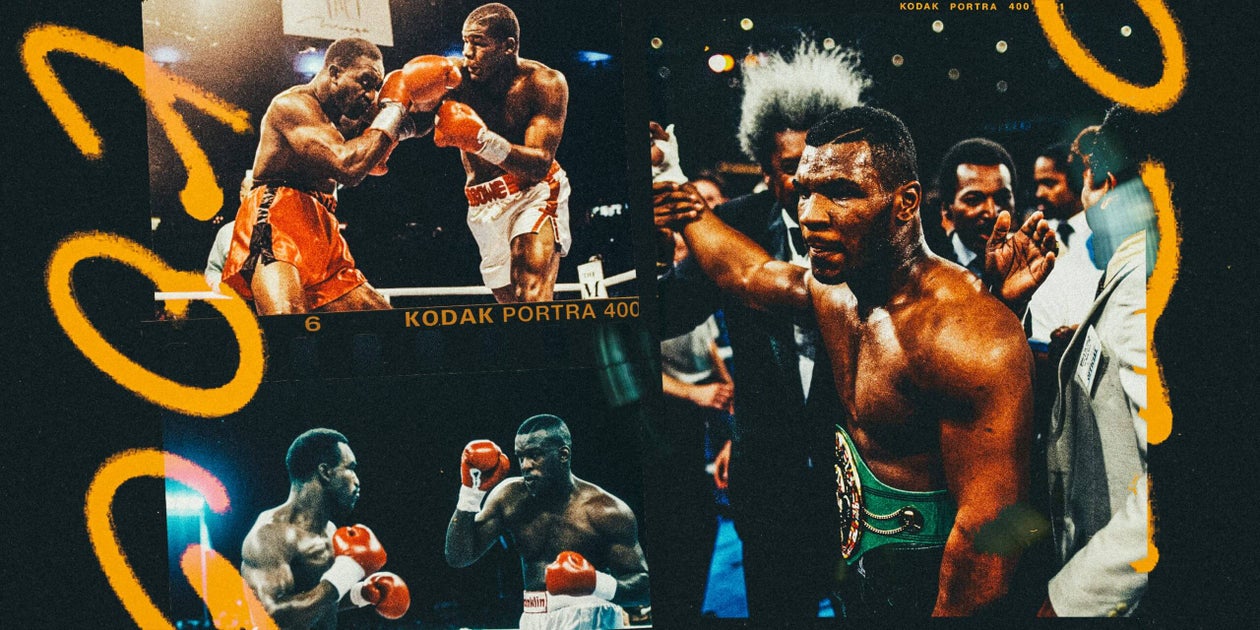
The Legacy of American Heavyweight Boxing
John L. Sullivan, Joe Louis, Rocky Marciano, Muhammad Ali, Joe Frazier, George Foreman, Larry Holmes, Mike Tyson, Evander Holyfield—these legendary figures have captivated not just the United States but the entire world. They transformed the heavyweight division into the premier category of boxing, turning the sport into a commercial powerhouse.
However, the time when American boxers led the heavyweight class is fading into history. Riddick Bowe was the last U.S. fighter to hold the title of undisputed world heavyweight champion, a reign that ended in 1992. It’s now been five years since an American held a world title, with Deontay Wilder being the last to do so before losing the WBC heavyweight championship to Tyson Fury in February 2020.
Shifting Power in Heavyweight Boxing
The heavyweight division has largely shifted to Europe, particularly to countries like Ukraine and Great Britain, and there are few indications that the U.S. is ready to reclaim its former dominance.
Wilder, a formidable puncher who once had a valid claim to the top spot, is set to fight Derek Chisora in London this Saturday. At 40 years old, he maintains hopes of regaining his former glory, but many believe his prime may have passed.
The Challenges Facing U.S. Heavyweights
The decline of American heavyweights isn’t a new occurrence, but pinpointing its root causes is challenging. Experts suggest that the growing appeal of other sports, such as basketball and American football, coupled with their lucrative contracts, has diverted talent away from boxing. As boxing manager Shelly Finkel observes, young male athletes now frequently choose sports that offer immediate financial rewards.
Boxing gyms often lack the resources and stability found in college sports, where scholarships are available, allowing athletes to pursue education alongside high-level training. Teddy Atlas, a veteran trainer, highlights the perception of boxing as dangerous, discouraging parents from encouraging their children to pursue it.
Competitive Disadvantages and Progress
The U.S. amateur boxing system has lagged behind European countries that have invested millions in their programs. This disparity in training and resources contributes to the decline of American prospects in the heavyweight division.
Nevertheless, there are signs of improvement. Since Irishman Billy Walsh’s appointment in 2015, the U.S. amateur teams have captured eight Olympic medals and are now preparing for the LA 2028 Olympics. Promising fighters are emerging, rekindling hopes for the future of American heavyweights.
Conclusion: The Potential for a Revival
While the U.S. boasts 17 world champions, none are from the heavyweight division. The void has been filled by fighters from Ukraine and Great Britain, with the latter’s heavyweight presence growing significantly. Yet, with new investments and emerging talents, a resurgence in American heavyweight boxing may still be possible. The sport needs a new superstar heavyweight to inspire young athletes and bring back the excitement that once characterized American heavyweight boxing.
