



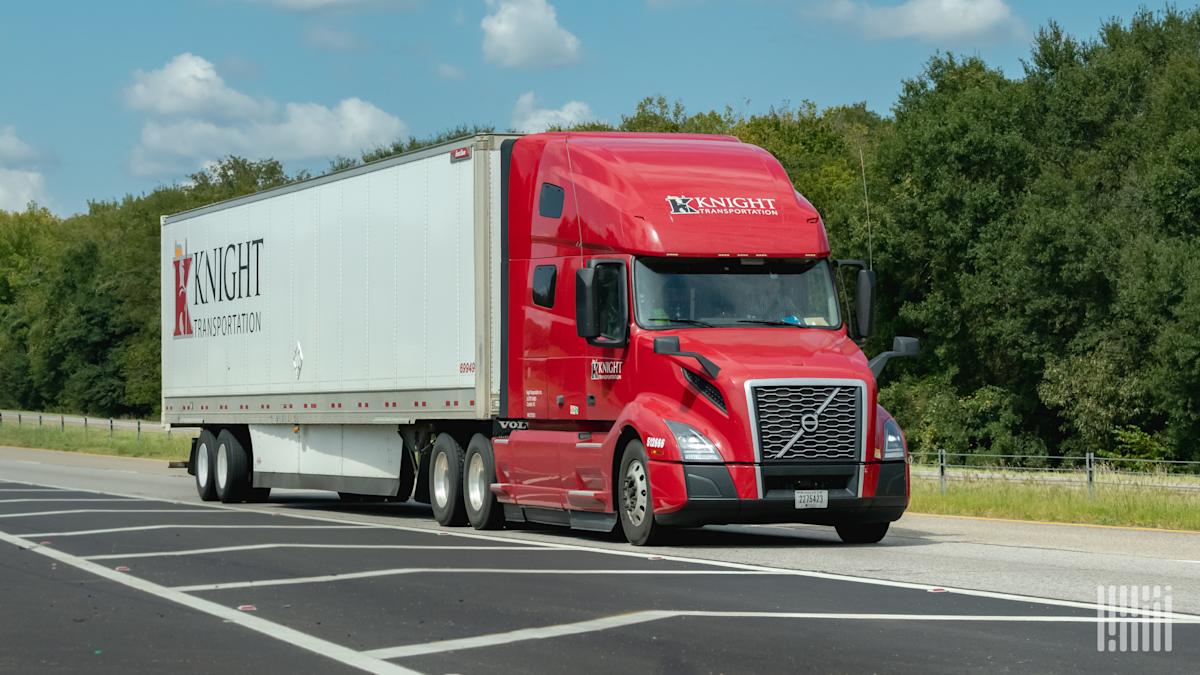
Truckload Stocks Experience Mixed Fortunes Ahead of Earnings Season
Heading into the fourth-quarter earnings season, truckload stocks seemed overvalued. They rose over 40% from Thanksgiving week to mid-January, coinciding with a surge in tender rejections and spot rates. However, earnings misses and disappointing forecasts were expected to take a toll, until an unexpected positive manufacturing update boosted the sector. This uplift, nonetheless, faced some setback due to a small tech firm announcing plans to disrupt the freight brokerage landscape.
Demand and Market Tightening
Carriers reported solid demand during the peak season, reflecting tightened supply from stricter regulations on the driver pool. December’s winter storms further complicated this dynamic. While there were signs of improving fundamentals late in the quarter, overall conditions indicated a lingering downturn. Management teams remained cautious, refraining from assuming a strong recovery for their 2026 forecasts.
Stock Reactions Post-Earnings
Following the notable price increase into earnings season, stock prices stabilized after the initial reports. However, truckload and less-than-truckload stocks saw a boost following the January Purchasing Managers’ Index report, which revealed recovery signs in manufacturing for the first time in a year. Shortly thereafter, the market reacted negatively to a white paper from Algorhythm Holdings, a small firm claiming its AI solutions could transform freight brokerage efficiency.
Mixed Industry Reactions
The claims from Algorhythm Holdings were met with skepticism from industry experts and analysts, who noted the need for extensive collaboration among shippers, carriers, and third-party logistics providers, which appeared implausible given the billions invested in independent technology systems. This announcement contributed to significant declines in third-party logistics stocks and slight downturns in asset-based carrier shares.
Fourth Quarter Earnings Highlights
Throughout the earnings cycle, companies like J.B. Hunt Transport Services reported a positive outlook, benefiting from cost-management efforts despite a revenue decline. Conversely, Knight-Swift Transportation fell short of expectations due to shrinking operating margins across most units, although they maintained that margin improvements were possible even without volume growth.
Challenges for Future Growth
Marten Transport and Schneider National also faced operational headwinds, with some companies citing rising costs and regulatory impacts on profitability. In contrast, Covenant Logistics Group adopted a strategy aimed at improving truck utilization as a means to enhance margins in the long term.
Conclusion and Future Prospects
As the earnings reports unfolded, it became evident that while there are pockets of optimism, many trucking companies are preparing for challenging conditions ahead. Analysts are watching closely to see how these firms navigate pressures from regulation and market dynamics, with expectations of gradual recovery not materializing until later into 2026.
