



MELBOURNE, Australia — Expectations of Telepathy
“I just expect them to read my mind,” quipped Aryna Sabalenka, perfectly embodying the tennis world’s favorite notion of telepathy between players and coaches. Following her victory over Iva Jović that secured her spot in the Australian Open semifinals, Sabalenka expressed her wishes for her team.
Winning with Disapproval
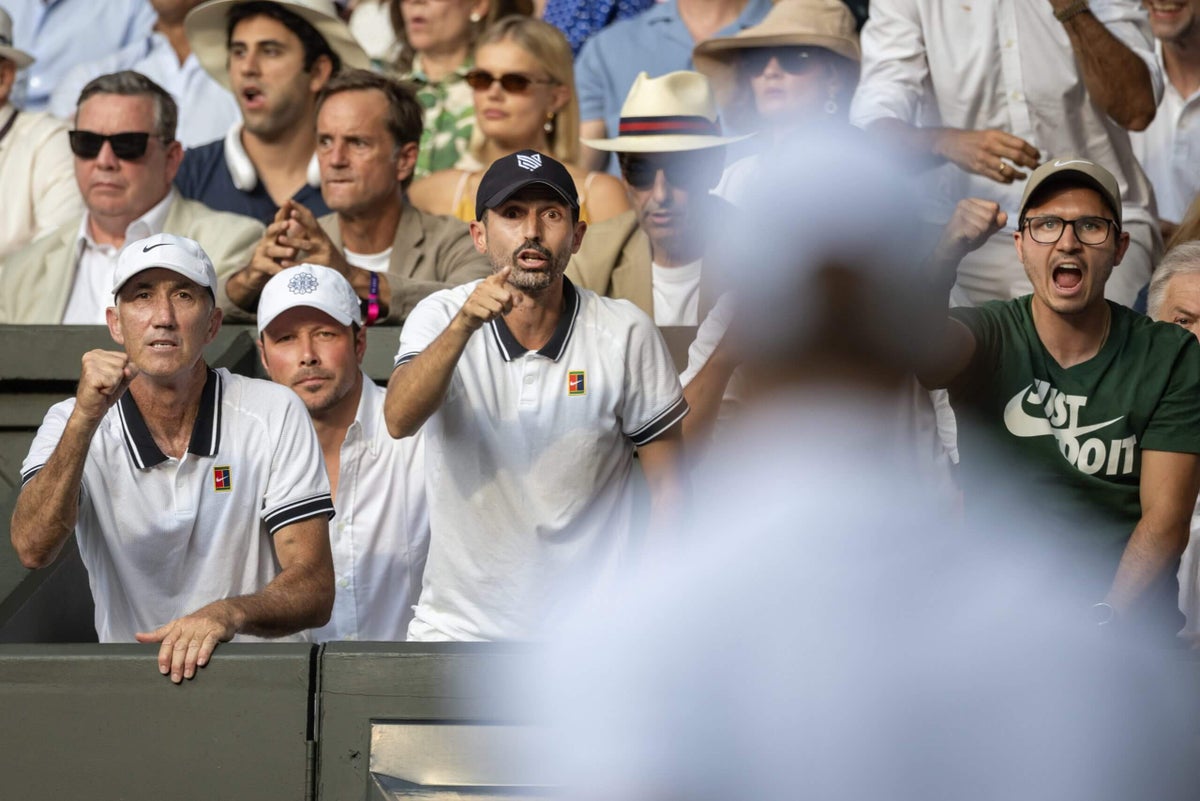
Despite a convincing 6-3, 6-0 win, Sabalenka displayed her usual signs of frustration toward her coaching box, including hand gestures that suggest she wanted them to be quiet. Her expressive nature on the court makes her one of the most vocal players in tennis, often displaying disbelief at both her mistakes and her opponent’s successes.
Communication Challenges
In a previous interview, Sabalenka candidly admitted her confusion about what she seeks from her coaches during matches. “Sometimes I’m looking for support; other times, it’s advice, or maybe I’m just glancing over without any specific request,” she explained. This unpredictable dynamic makes effective communication vital for a player’s success.
Coaching Dynamics in Matches
The relationship between player and coach often shifts during matches, requiring instant adjustments in communication. Off-and-on-court coaching has evolved dramatically over the years, culminating in the innovative installation of coaching boxes at major tournaments like the 2025 Australian Open, where the interactions could be more immediate and visible.
Varied Player Preferences
Every player has distinct needs from their coaches, which can also fluctuate match by match. For instance, in her first major quarterfinal, Jović appreciated early support to manage her nerves but also preferred to figure things out independently during the match.
Emotional Context
Players, while assessing their team’s performance, often express mixed feelings. Zverev, for example, looks to his family for encouragement, highlighting how players can be critical of their coaches during matches. As Djokovic often vents his frustrations, former coach Boris Becker emphasized the emotional intelligence required from coaches to navigate players’ diverse needs.
Player-Coach Relationship
As the tournament progresses, athletes recognize the complexity of coaching dynamics. Amanda Anisimova, for instance, acknowledged that emotions often lead players to say things they don’t mean, prompting apologies after the match. The proximity between coaching boxes and the court fosters strong communication, enhancing the player-coach connection crucial for success.
