



Debating Fourth-and-Short Decisions
At some point during Super Bowl 60, the New England Patriots may encounter a critical fourth-and-short situation in the red zone, prompting coach Mike Vrabel to either clench his teeth or consult statistics on what action to take. Conversely, if the Seattle Seahawks find themselves in a similar position, we likely already know their approach—coach Mike Macdonald tends to opt for the points.
The Divisive Phrase: “Take the Points”
The phrase “take the points” has sparked intense debate within football circles. Many modern coaches choose to go for it on fourth downs, especially when positioned in the opponent’s territory. The prevailing rationale is that successfully converting a fourth down outweighs the drawbacks of failing to do so.
Shift in Coaches’ Decisions
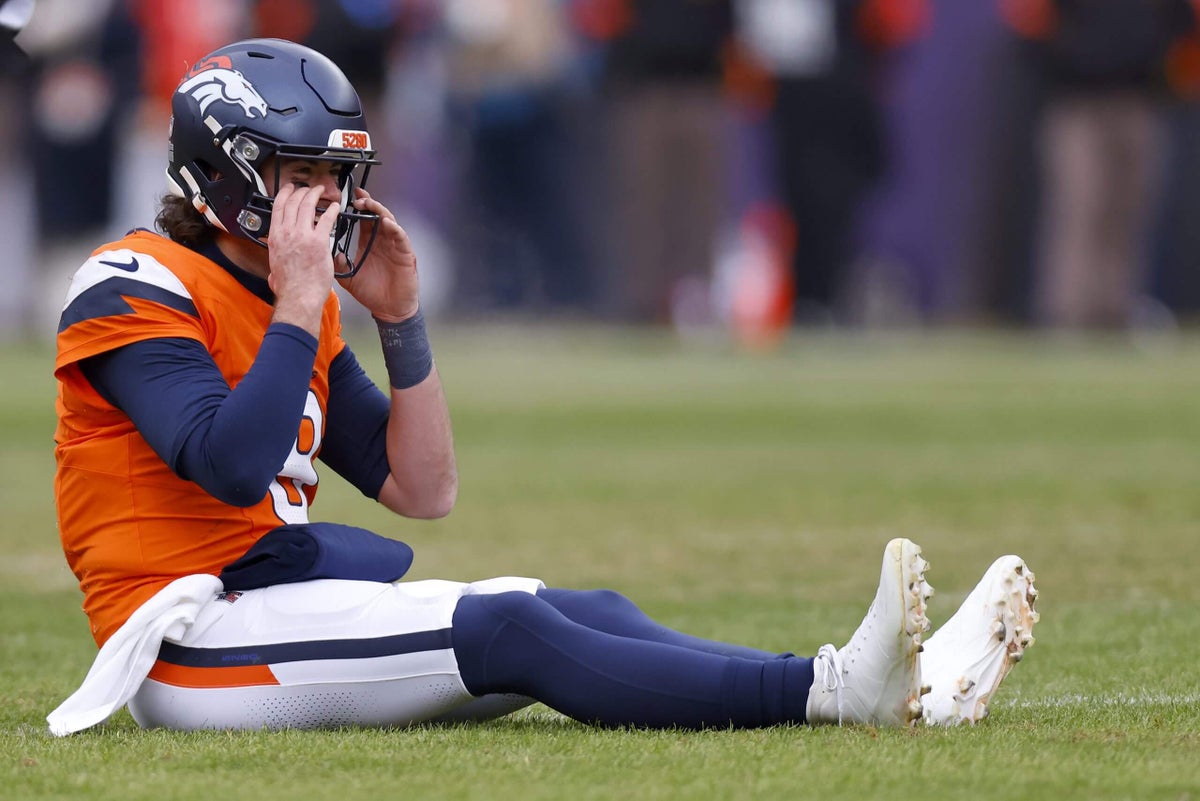
Throughout college and professional football, there has been a notable increase in coaches attempting fourth downs. This shift has, however, led to heated discussions on social media concerning the merits of such decisions. For instance, the Denver Broncos lost the AFC Championship partly because Sean Payton decided to go for it on fourth-and-1 but was unsuccessful. In contrast, the Indiana Hoosiers celebrated a national championship thanks to Curt Cignetti’s fourth-and-4 call that led to a game-winning touchdown.
Divergent Outcomes
These two contrasting decisions highlight the unpredictable nature of football strategy. While the Hoosiers triumphed, the Broncos failed to score afterward and ultimately lost by a field goal. Nevertheless, analytics seem to be gaining traction in this debate, with NFL teams attempting fourth downs nearly 34 percent of the time in the opponent’s territory in 2025—a record for this century.
Analytics vs. Traditional Strategy
Despite the analytics movement, coaches like Mike Martz argue against relying too heavily on statistics. Martz, a proven offensive strategist, believes this trend undermines the strategic depth of football. He argues, “Analytics have overtaken the game in a way that is unwarranted, as they often reflect different circumstances and players.”
Understanding the Math
The rationale behind attempting fourth downs is relatively simple: the probability of winning increases with successful conversions, especially deep in opponent territory. With recent changes to kickoff rules resulting in teams starting drives from the 30-yard line on average, the stakes of failing to convert a fourth down are viewed as less critical compared to settling for a field goal.
Conclusions on the Future of Coaching Decisions
While Martz acknowledges that specific scenarios may warrant going for it, he believes it should usually wait until later in the game or when the coach understands the opponent’s tendencies. As analytics departments become more integral to NFL teams, Martz warns against letting numbers overshadow the human elements of coaching strategy. He poignantly states, “If you’re not equipped to make informed decisions, you shouldn’t be in the position to coach.”
