



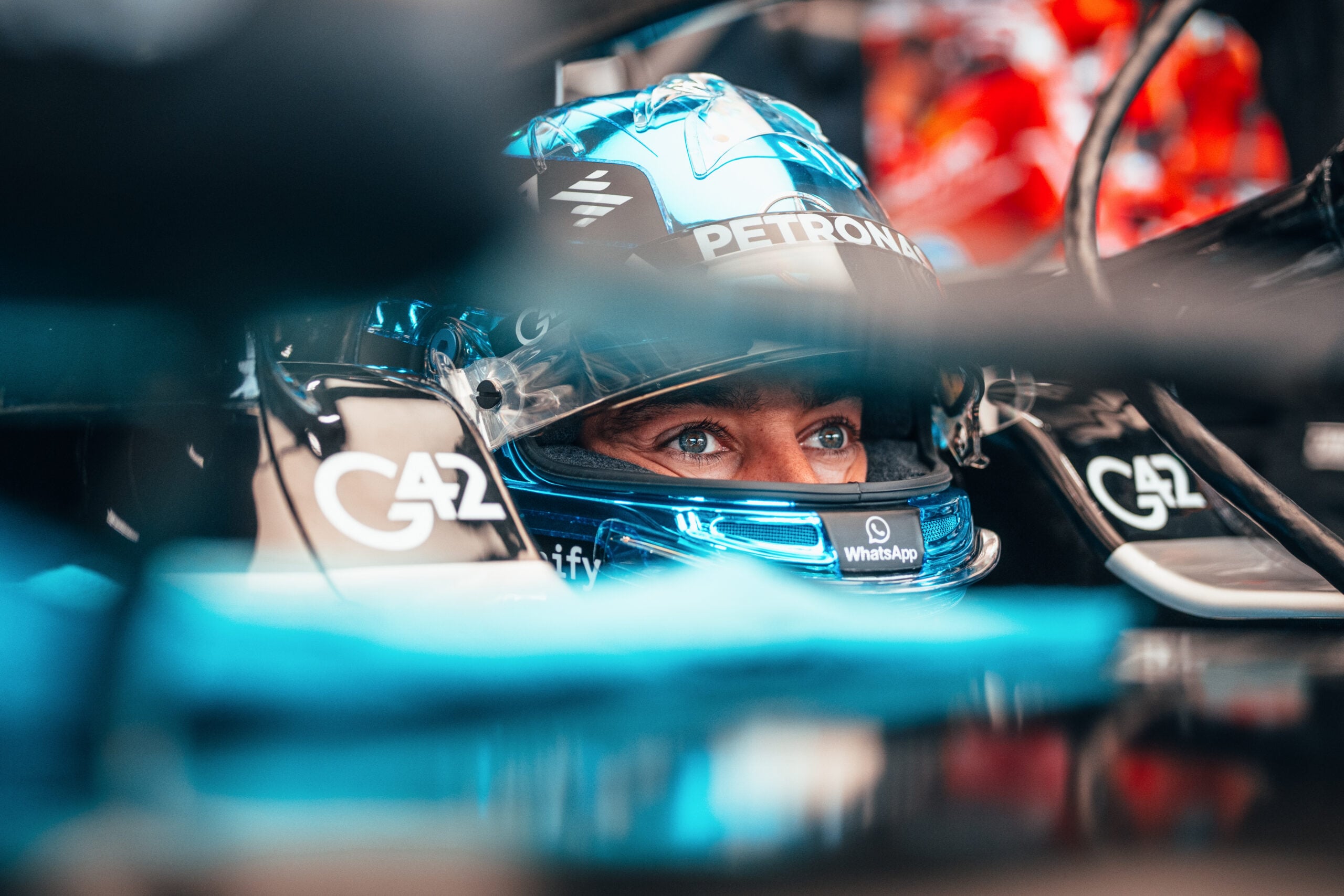
There is a surge of reports regarding preliminary performance indicators for the 2026 season. In the coming weeks, updates on next year’s development, particularly concerning engines, will dominate F1 news.
Making predictions for the upcoming season is challenging without any laps completed by a 2026 car, making such forecasts either difficult or purely speculative.
Nonetheless, the initial insights related to engine development are certainly noteworthy. A key takeaway from the winter break is that, unlike past regulatory changes, the major teams may find themselves genuinely vulnerable.
High Stakes This Winter
The controversial Mercedes “zeropods” concept stirred considerable discussion during the 2022 pre-season testing. Shortly after the season commenced, Toto Wolff’s team had to concede that their aerodynamic risk had backfired.
Mercedes struggled to recover from this setback, spending the next four years trying to catch up to Red Bull and later McLaren. Despite the backlash, they remained a competitive force, securing third place in the constructors’ standings, benefiting from the extensive resources still at their disposal even as budget caps began to take effect.
However, the advantage that big teams had is largely diminished, with midfield squads investing heavily to close the gap. This puts traditional frontrunners in a precarious situation, as a poor winter in development could see them languishing near the back, presenting more significant risks than five years ago.
Challenges in 2026 Development
The wind tunnel restrictions pose a notable risk for major teams in 2026. F1’s system allocates more hours in the wind tunnel to teams lower in the constructor standings, limiting the top teams’ development time.
Teams like Williams and Aston Martin have had significantly more hours than their competitors, allowing them more time to innovate and refine their 2026 vehicles, which may not reflect their true potential in standings.
In contrast, many top teams are likely to debut relatively basic versions of their 2026 cars in testing, focusing on reliability before introducing upgrades. This could lead to an unexpected opportunity for midfield teams to make an impact early in the season, as different teams will have varying levels of risk tolerance.
While it may be premature to assert a complete upheaval of the grid next year, it’s clear that 2026 has the potential for a significant shake-up, as evidenced by the recent dynamics in recruitment and performance capabilities among teams.
