



Sure! Here’s a paraphrased version of the article while retaining the core information and using headings:
<div>
  <div class="flex flex-col gap-rem-12 md:gap-rem-16 lg:gap-rem-24">
    <p class="typography-module_body-s-regular__ul7F5 typography-module_md_body-m-regular__d9VRg typography-module_lg_body-l-regular__dPa5z">
      <span class="typography-module_body-s-bold__FIoxj typography-module_md_body-m-bold__K8ZVr typography-module_lg_body-l-bold__WMAlJ">Defending Constructors' Champions McLaren aim to secure a third consecutive title in 2026, but achieving this feat will require maintaining their lead amidst significant regulatory changes in Formula 1.</span>
    </p>
    <p class="typography-module_body-s-regular__ul7F5 typography-module_md_body-m-regular__d9VRg typography-module_lg_body-l-regular__dPa5z">
      As the new season approaches, we examine the performance of previous championship-winning teams under new regulations and how their successors managed to rise to prominence.
    </p>
  </div>
</div>

<div>
  <h3 class="typography-module_display-xl-regular__ML8sw typography-module_lg_display-2-xl-regular__zCIxa typography-module_xl_display-3-xl-regular__3a-EV Text-module_upper__pWFEw">1960/61 – Ferrari Ascends as Cooper Declines</h3>
  <p class="typography-module_body-s-regular__ul7F5 typography-module_md_body-m-regular__d9VRg typography-module_lg_body-l-regular__dPa5z">
    Cooper secured the International Cup for Manufacturers in 1960, but changes in 1961, particularly the reduction of engine size from 2.5 to 1.5 liters and the introduction of minimum weight regulations, reshaped the sport.
  </p>
  <p class="typography-module_body-s-regular__ul7F5 typography-module_md_body-m-regular__d9VRg typography-module_lg_body-l-regular__dPa5z">
    Ferrari, who finished third the previous year, quickly established dominance with their iconic ‘Sharknose’ 156 and an upgraded 1.5-liter V6 engine derived from F2. Cooper, by contrast, fell to fourth place as the strong British teams struggled for performance.
  </p>
</div>

<div>
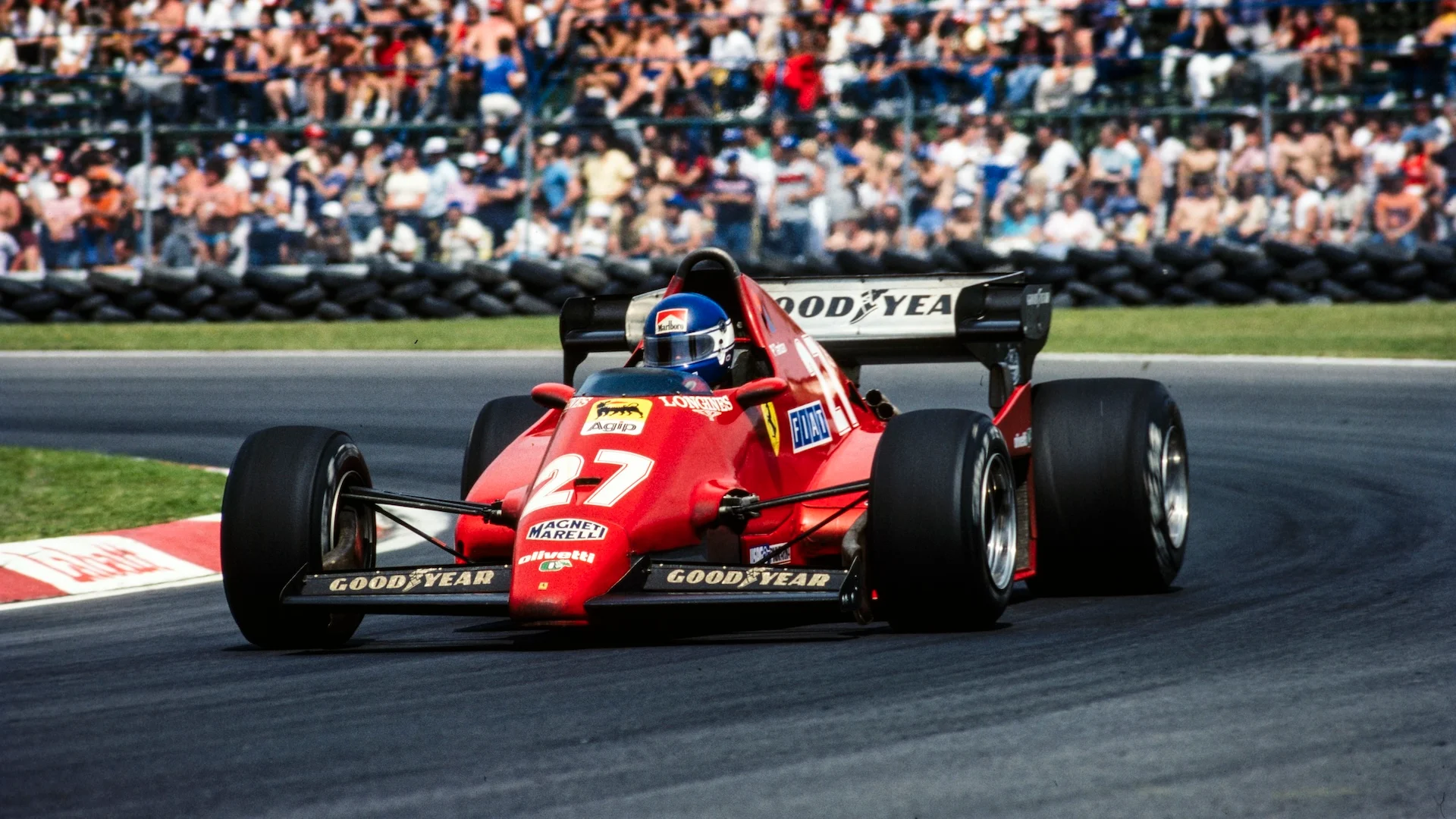
  <h3 class="typography-module_display-xl-regular__ML8sw typography-module_lg_display-2-xl-regular__zCIxa typography-module_xl_display-3-xl-regular__3a-EV Text-module_upper__pWFEw">1982/83 – Ferrari Retains Title Following Ground Effect Ban</h3>
  <p class="typography-module_body-s-regular__ul7F5 typography-module_md_body-m-regular__d9VRg typography-module_lg_body-l-regular__dPa5z">
    In 1983, Formula 1 prohibited ground effect cars, compelling teams to shift to flat-bottomed designs due to safety concerns over increasing cornering speeds.
  </p>
  <p class="typography-module_body-s-regular__ul7F5 typography-module_md_body-m-regular__d9VRg typography-module_lg_body-l-regular__dPa5z">
    Ferrari claimed the 1982 title, albeit amid tragedy following the death of Gilles Villeneuve during qualifying at the Belgian GP. They sustained their competitiveness in 1983, winning the championship again thanks to the performances of Rene Arnoux and Patrick Tambay amidst challenges from Brabham and Renault.
  </p>
</div>

<div>
  <h3 class="typography-module_display-xl-regular__ML8sw typography-module_lg_display-2-xl-regular__zCIxa typography-module_xl_display-3-xl-regular__3a-EV Text-module_upper__pWFEw">1988/89 – McLaren Dominates Despite Turbo Ban</h3>
  <p class="typography-module_body-s-regular__ul7F5 typography-module_md_body-m-regular__d9VRg typography-module_lg_body-l-regular__dPa5z">
    McLaren excelled in 1988 with their formidable MP4/4, propelled by a state-of-the-art turbo engine from Honda, securing 15 victories in 16 races.
  </p>
  <p class="typography-module_body-s-regular__ul7F5 typography-module_md_body-m-regular__d9VRg typography-module_lg_body-l-regular__dPa5z">
    Although turbo engines were banned in 1989, McLaren adapted to the new 3.5-liter naturally aspirated V10 engine with ease, clinching both world titles while media focus shifted towards the escalating tension between drivers Ayrton Senna and Alain Prost.
  </p>
</div>

<div>
  <h3 class="typography-module_display-xl-regular__ML8sw typography-module_lg_display-2-xl-regular__zCIxa typography-module_xl_display-3-xl-regular__3a-EV Text-module_upper__pWFEw">1993/94 – Williams and Benetton Share the Glory</h3>
  <p class="typography-module_body-s-regular__ul7F5 typography-module_md_body-m-regular__d9VRg typography-module_lg_body-l-regular__dPa5z">
    The 1994 season saw Formula 1 ban various driver aids and introduce in-race refueling, significantly impacting race dynamics.
  </p>
  <p class="typography-module_body-s-regular__ul7F5 typography-module_md_body-m-regular__d9VRg typography-module_lg_body-l-regular__dPa5z">
    Despite these changes, Williams maintained its title amidst a tragic year punctuated by Ayrton Senna's untimely death at the San Marino Grand Prix. Benetton initially led with Michael Schumacher's wins but Williams ultimately triumphed through a tumultuous season, reclaiming the Constructors' title.
  </p>
</div>

<div>
  <h3 class="typography-module_display-xl-regular__ML8sw typography-module_lg_display-2-xl-regular__zCIxa typography-module_xl_display-3-xl-regular__3a-EV Text-module_upper__pWFEw">1997/98 – McLaren Rises as Williams Stumbles</h3>
  <p class="typography-module_body-s-regular__ul7F5 typography-module_md_body-m-regular__d9VRg typography-module_lg_body-l-regular__dPa5z">
    Although Williams led in 1997, major regulatory shifts in 1998 led to narrower cars and grooved tires, causing the once-dominant team to struggle significantly.
  </p>
  <p class="typography-module_body-s-regular__ul7F5 typography-module_md_body-m-regular__d9VRg typography-module_lg_body-l-regular__dPa5z">
    Following Adrian Newey's departure and an unsuccessful partnership with Renault, Williams experienced a winless season for the first time in ten years, placing third overall. Meanwhile, Newey's expertise helped McLaren surge ahead, overcoming Ferrari to take the championship.
  </p>
</div>
Feel free to add additional sections or modify the content as needed!
