



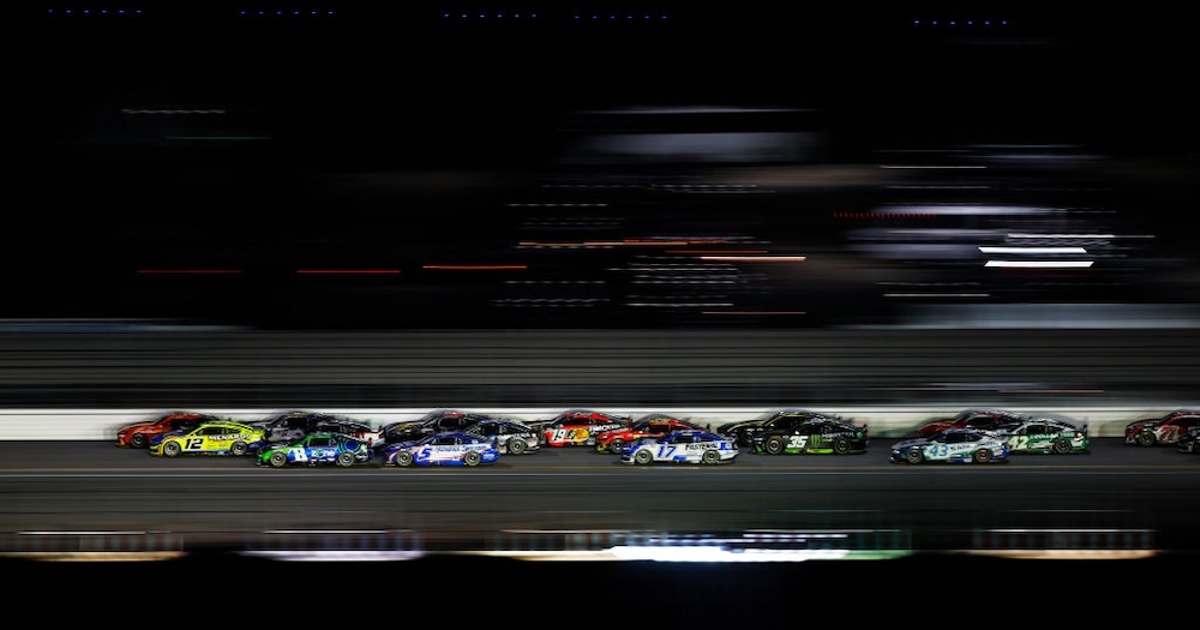
Introduction of Next Gen Car in NASCAR
NASCAR’s launch of its seventh-generation race car, known as the Next Gen, in 2022 marked a significant transformation in the sport. This new car diverged greatly from traditional stock cars, showcasing only its steering wheel and four tires as familiar elements.
Key Features and Changes
This symmetrical car design emphasized mechanical grip and eliminated the skew and right-side side force. Notably, it restricted drivers’ abilities to maneuver using the right-rear tire, a specialized skill for some. Among its distinctive features, the car sits higher off the ground, has a novel splitter, a flat underbody, a rear diffuser, a shorter rear deck, a lower roof, and broader dimensions. Additionally, the transition to a sequential five-speed shifter from a traditional H-pattern and the introduction of independent rear suspension highlighted its advancements.
Tire and Wheel Specifications
Moreover, NASCAR transitioned from five lug nuts to a single center-locking lug nut, leading Goodyear to design an 18-inch tire that increased in width from 10 to 12 inches. These comprehensive changes posed new challenges for teams and drivers, who had to adapt to different driving styles.
Driver Adaptability and Performance Insights
As the Next Gen car has completed its fifth season, RACER posed a crucial question to 22 Cup Series drivers: who benefitted most from adapting to this new vehicle, and who faced the toughest challenges? All participants had experience driving both previous-gen and Next Gen cars.
Perspectives from Drivers
Several drivers shared their insights. Bubba Wallace suggested that team performance varied more by manufacturer than individual driver adaptability. Kyle Busch noted that while some drivers like Ryan Blaney and William Byron excelled, he himself faced hurdles due to limited practice time during the transition. Michael McDowell mentioned he felt he benefited, while also highlighting the early struggles of Martin Truex Jr.
Overall Challenges and Shifts in Competitiveness
Chase Elliott lamented his struggles with the new car compared to his success in the previous model, whereas others like William Byron thrived early, suggesting that team dynamics heavily influenced drivers’ adaptability and performance. The general consensus points toward younger drivers having an advantage in adapting to the Next Gen car, while veterans face more difficulties.
Conclusion: Evolving Landscape of NASCAR
Ultimately, drivers like Tyler Reddick indicated that the unique driving styles required have benefited those with diverse racing backgrounds. This era of NASCAR proves to be highly dynamic, with continuous changes influencing who succeeds and who struggles in the evolving competitive landscape.
