



Recall of a Controversial Fight: Muhammad Ali vs. Ernie Terrell
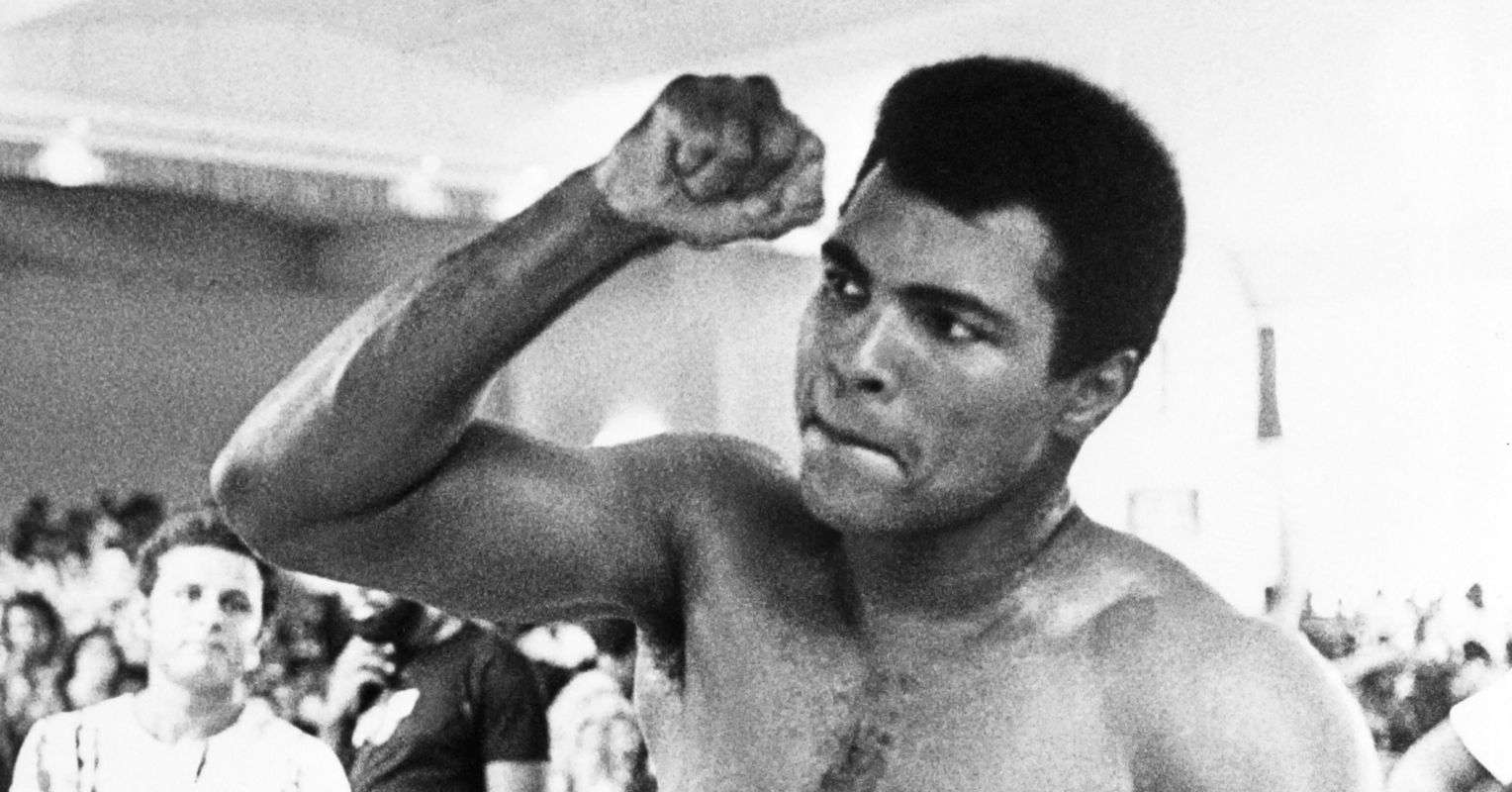
On this day in 1967, in Houston, Texas, at the iconic Astrodome, world heavyweight champion Muhammad Ali took part in a notably contentious bout against reigning WBA champion Ernie Terrell. Ali’s performance showcased his capacity to be both aggressive and punishing.
The Clash of Titans
Ali was undeniably the top heavyweight, regardless of Terrell holding the WBA title. Terrell had impressive victories over notable fighters like Cleveland Williams and Zora Folley, but he questioned Ali’s greatness. The tall fighter, known for his effective left jab, believed he could defeat Ali, whom he insisted on referring to by his former name, Cassius Clay.
Building Tension
Leading up to the fight, Terrell infuriated Ali to the point where the 25-year-old champion lost his composure. By refusing to acknowledge Ali’s Muslim name, Terrell set the stage for what Ali promised would be a punishing performance. True to his word, Ali delivered a display of dominance.
A One-Sided Contest
Despite Terrell, then 39-4 and at his peak age of 28, giving his best effort, it became clear early on that he lacked the speed to compete with Ali. Ali not only outclassed Terrell but sought to embarrass him. He would often drop his hands and challenge Terrell, tauntingly shouting, “What’s my name?” Terrell later stated he didn’t hear Ali’s words, as his focus was solely on surviving.
Injuries and a Prolonged Fight
While Terrell displayed courage, he was falling behind in the judges’ scoring. A significant concern for him was the injury to his left eye, which was swelling and closing due to damage inflicted by Ali. Terrell alleged that Ali had intentionally injured him during a clinch, a claim that Ali strongly denied, asserting he was a clean fighter.
Judgment and Criticism
The fight extended through all 15 rounds due to Terrell’s resilience and Ali’s desire to prolong the bout. Ali ended with a decisive win on the judges’ cards, including a notable score of 148-133 from one judge. However, rather than acclaim, Ali received criticism for his seemingly cruel approach, likened to his previous fight against Floyd Patterson, and was viewed unfavorably by the media.
Aftermath and Challenges Ahead
Now at 28-0, Ali faced no serious challengers and was popular overseas, although he was less favored in the U.S. Shortly after another victory, Ali found himself in conflict with the U.S. government over his refusal to enlist, resulting in the loss of his title and passport. This marked a pivotal moment, leading to a lengthy three years and seven months without the ability to fight professionally, diminishing his peak status.
