



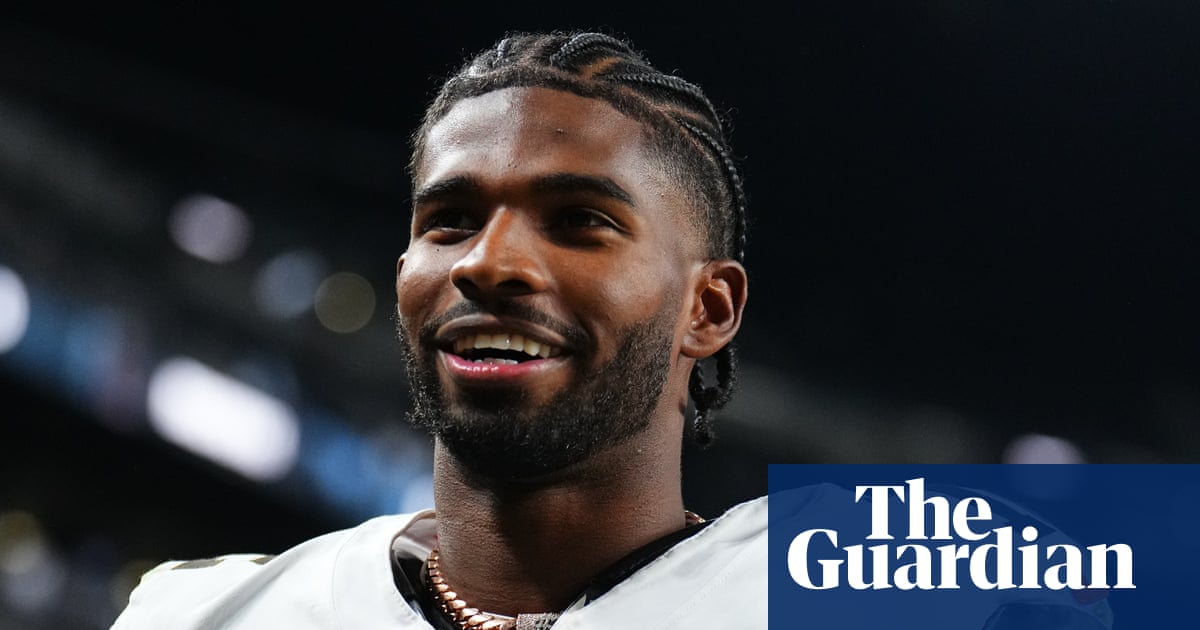
Shedeur Sanders: The Polarizing Rookie Quarterback
Shedeur Sanders, the rookie quarterback for the Cleveland Browns, continues to defy expectations, as his journey seems fraught with shifting standards. After shining at two colleges and emerging as a top NFL prospect, he was surprisingly selected in the fifth round of this year’s draft, marking a significant drop in his stock. Although he made an impression during training camp, he found himself as the third-string quarterback. His first opportunity to play came last month, leading the Browns to their third win of the season, albeit against the struggling Las Vegas Raiders. Last week, despite a historic performance against the Tennessee Titans—becoming the first Browns quarterback since 1950 to achieve over 300 passing yards and three touchdowns in a game—he faced criticism for yet another loss.
New Starting Role Amid Controversy
This week, Sanders was appointed as the Browns’ starting quarterback for the remainder of the season, amplifying the scrutiny surrounding him. Supporters argue he has earned his chance, while detractors question his skill set, label him spoiled, and draw parallels to his father, Deion Sanders, whose reputation looms large. The dynamics of Shedeur’s story unfold amidst a national conversation about nepotism in sports, making for a complex narrative of an unlikely underdog.
Expectations of NFL Quarterbacks
NBA expectations for starting quarterbacks are immense, encompassing physical abilities along with the need for strong character traits. Traditional notions dictate that quarterbacks are humble leaders who deflect praise and accept blame. However, Shedeur’s persona appears more aligned with his father’s brash confidence than the typical mold of NFL quarterbacks. Deion Sanders, a celebrated two-sport athlete, exemplifies the flamboyant qualities that differ from those expected in a conventional leader.
Scrutiny and Racial Dynamics
Sanders’ journey is often scrutinized through a racial lens, especially when his performance falters. Some fans speculate about underlying racial bias in criticisms and raise concerns about Coach Kevin Stefanski’s potential biases linked to Deion Sanders. The Sanders family’s polarizing presence evokes strong sentiments among fans, further complicating Shedeur’s narrative within sports.
A Complex Legacy
While Shedeur enjoys a unique status, combining reverence among Black Americans with support from unexpected figures like Donald Trump, his narrative simultaneously resonates with themes of legacy and entitlement. Unlike other athletes who shy away from their familial connections, Shedeur embraces his lineage while balancing individual aspirations and the weight of expectations. He has navigated media attention since childhood, allowing him to shape his own narrative rather than relying solely on external influences.
Future Prospects and Personal Growth
Although Shedeur has started only four games, the performances indicate he may exceed the limitations of his draft position. With the Browns investing heavily in Deshaun Watson, Sanders appears focused on building his value. Whether he ultimately thrives in Cleveland or seeks opportunities elsewhere, this chapter in his career embodies the struggle of an underdog, striving for recognition in the NFL.
Conclusion: The Underdog Journey
Shedeur Sanders’ trajectory highlights a compelling narrative—an underdog with a privileged background navigating a complex world. His journey reveals not only the challenges faced by the son of a legend but also an evolving perspective on success and legacy in professional sports.
