



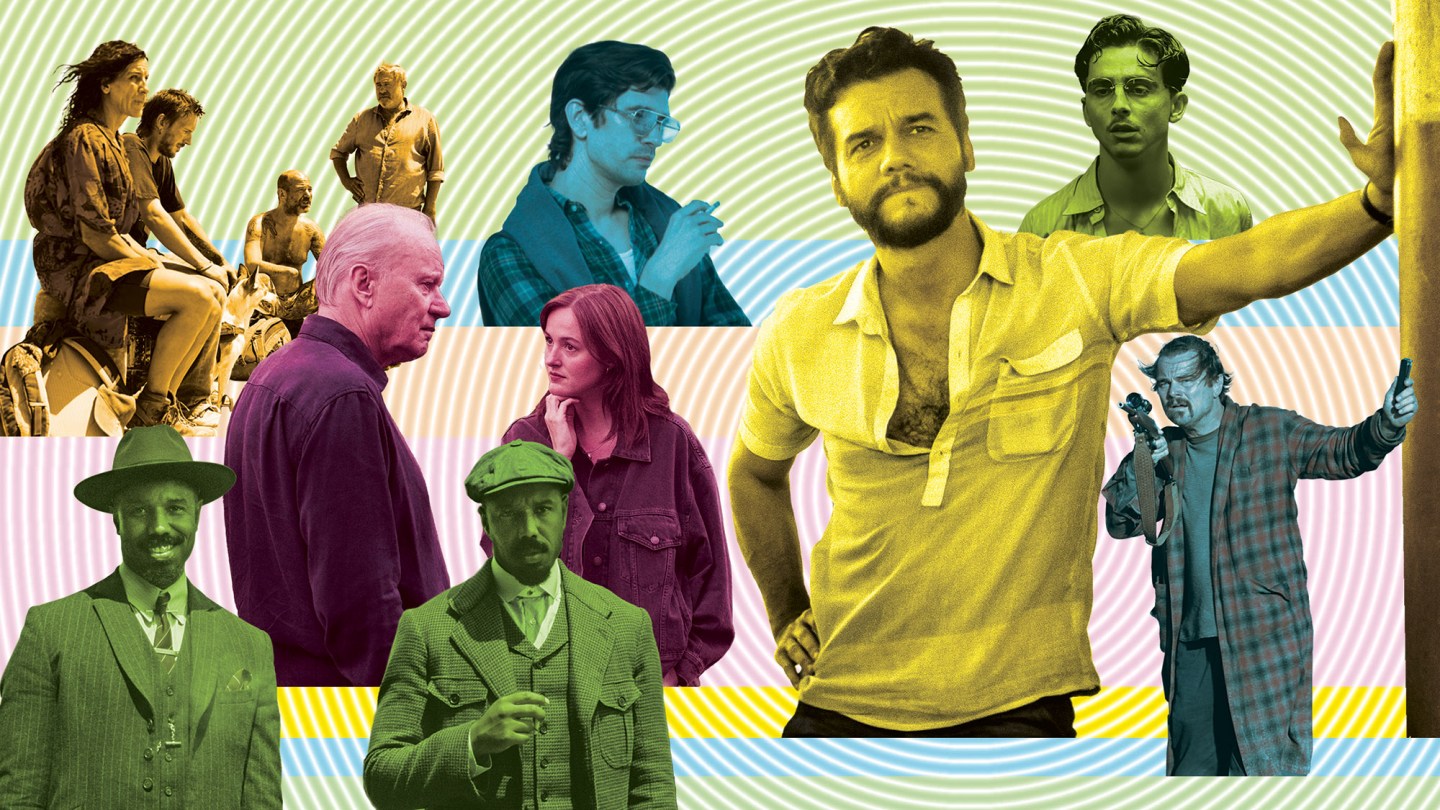
Steven Soderbergh’s discontent over the lack of commercial success for his acclaimed Black Bag highlights a growing concern within the film industry post-pandemic.
The box office underperformance of this spy thriller hints that Hollywood may no longer support star-driven, mid-budget films aimed at discerning adult audiences. Soderbergh warned that the shrinking market for such movies could further entrench the dominance of blockbuster franchises, which often prioritize spectacle over substance.
Even the once-reliable blockbusters are faltering financially; along with hits like Jurassic World: Rebirth, there are notable flops such as Captain America: Brave New World and Tron: Ares, despite some grossing nearly $600 million worldwide.
While Black Bag received a stellar 96 percent rating on Rotten Tomatoes and had strong backing from its distributor, it seemed to vanish from theaters without much notice. This raises concerns about the diminishing cultural significance of films.
The oversaturated streaming market, the fading experience of shared viewing in theaters, and the reducing gap between theatrical releases and home viewing contribute to this trend. Such issues are likely magnified by the recent merger between Netflix and Warner Bros.,
which hints at a decrease in competition.
Production numbers in Los Angeles remain stagnant, raising the question: can we still call it the Dream Factory if so many have relocated to Budapest?
Despite these concerns, this year has surprisingly produced remarkable films. The success of innovative projects like Sinners and One Battle After Another offers hope that we may not be relegated to an endless cycle of recycled intellectual properties. As I selected my best-of-the-year picks, my shortlist swelled to almost 30 noteworthy films from both established and new filmmakers, emphasizing the rich landscape of contemporary cinema.
