



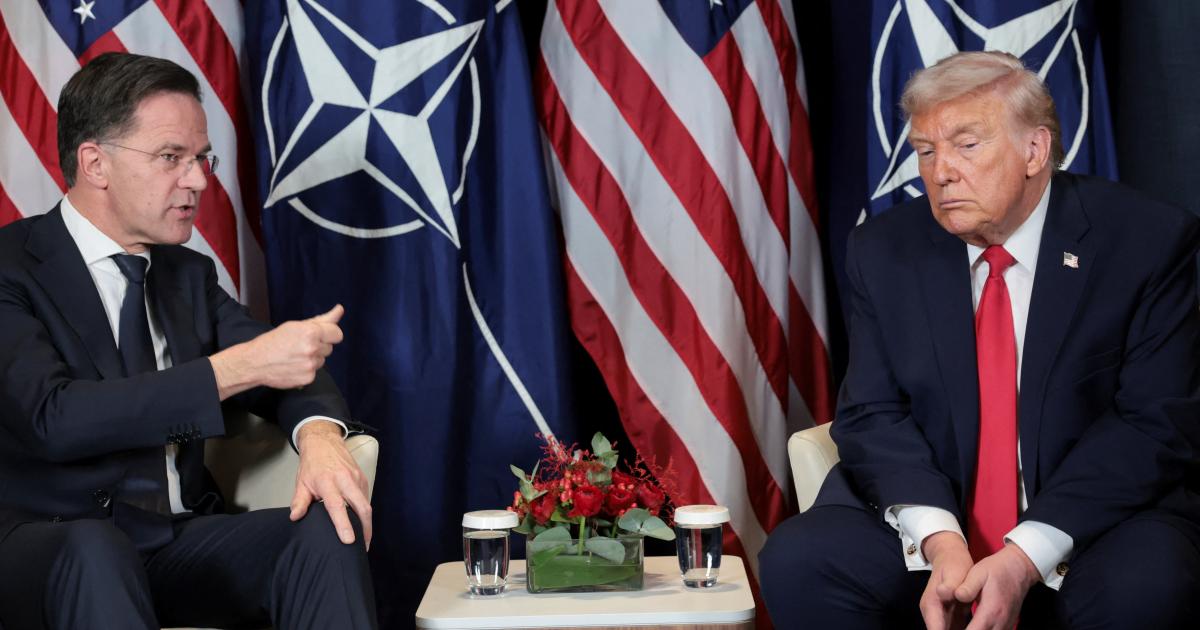
In November, Matthew Whitaker, the U.S. ambassador to NATO, surprised European officials at the Berlin Security Conference by expressing his desire for Germany to assume the role of supreme allied commander. Although he noted this was not likely to happen soon, his statements stunned an audience accustomed to viewing such positions as inherently American.
Whitaker’s comment illustrates a growing trend of U.S. detachment from NATO over the past year. Amid various disruptions, including territorial threats and missed diplomatic meetings, the Trump administration’s second term strategy regarding NATO is coming into view. Instead of outright abandoning the alliance, it appears the U.S. is “quiet quitting,” gradually reducing its involvement in the alliance. The administration seems to believe that distancing itself will compel Europe to take greater responsibility.
The Trump administration’s intent to reshape decades of leadership within NATO faces significant challenges. The command structure relies on American resources and personnel, making it difficult for any other member to fill the gap left by the U.S. Voluntarily relinquishing control of an alliance built and led by the U.S. for 75 years could undermine the transatlantic partnership and diminish U.S. security, particularly amid ongoing geopolitical uncertainty.
Changes in Command
The Trump administration’s approach to NATO is not unexpected. Following his previous public skepticism about the alliance’s collective defense obligations, Trump has urged member nations to significantly increase their defense spending. While his focus on financial equity is evident, the administration also pushes for Europe to take on more operational roles within NATO.
After facing backlash over troop reductions in October, the administration has scaled back its troop withdrawal plans. Congress has limited troop numbers in Europe, prompting Trump to pursue alternative means of reducing U.S. engagement, such as relinquishing operational control at Joint Force Commands and not filling vacant U.S. positions within NATO.
Military Reforms and Implications
Despite his administration’s reluctance to vacate the supreme allied commander role for now, plans are underway to shift crucial military planning roles to European leaders. Reports indicate that operational command of U.S.-led forces will transition to European commanders in the near future, paving the way for a European-led NATO by 2027. While Washington is still holding strong in certain positions, these changes create a scenario where a shift at the top appears increasingly feasible.
The complexities of this transition are significant. Traditionally, the U.S. holds about a quarter of the command positions at NATO’s military headquarters, exerting considerable influence over defense strategies. The Trump administration’s perception that America is better off acting alone may lead to weakened military effectiveness, interfering with collective defense and compromising NATO’s unified response to threats.
Consequences of Withdrawal
While U.S. troop numbers in Europe have diminished, Washington remains the primary contributor to NATO’s nuclear deterrence and strategic guidance. However, with a reformed command structure, the benefits of American leadership may evaporate, threatening U.S. interests in future collaborative missions. A potential split between conventional and nuclear responsibilities may serve adversaries like Russia, which could exploit a reduced American presence.
The once-clear connection between U.S. military presence and NATO’s effectiveness could be complicated by reform efforts that push key planning roles away from U.S. authority. As NATO shifts, the absence of American leadership in decision-making could hinder military collaboration and strain relationships with European allies already grappling with resource limitations.
