



New Regulatory Duties for U.S. Stablecoin Issuers
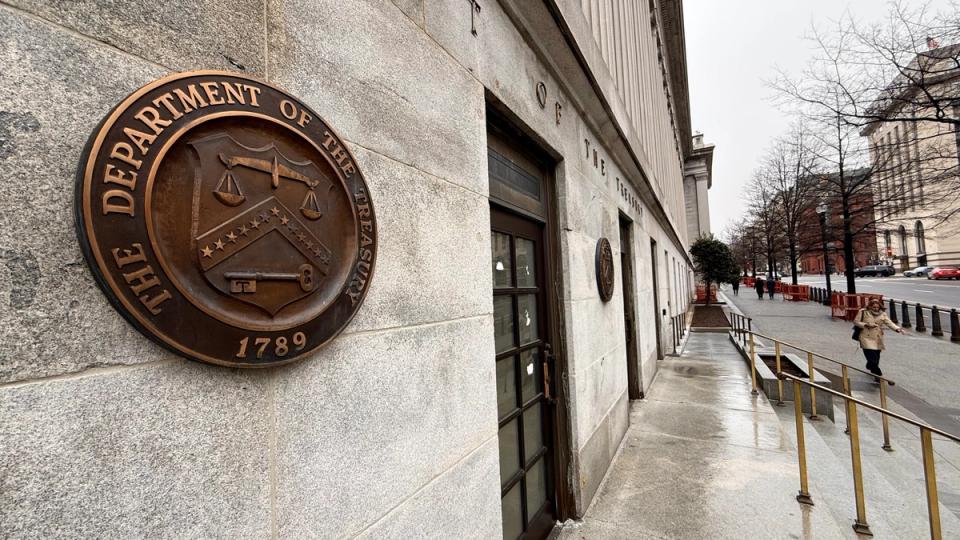
A U.S. firm that issues stablecoins will be subject to a range of new responsibilities aimed at preventing criminal activity and notifying government regulators about suspicious entities, according to proposed regulations from the U.S. Department of the Treasury, as reported by CoinDesk.
Proposed Controls and Compliance Requirements
A joint proposal by the Treasury’s Financial Crimes Enforcement Network (FinCEN) and Office of Foreign Assets Control (OFAC) outlines stringent controls that stablecoin companies must implement. These include the ability to “block, freeze, and reject” transactions and establish internal safeguards to comply with the Bank Secrecy Act, which governs most of the financial system in the U.S.
Implementation of the GENIUS Act
This marks a significant step in executing last year’s Guiding and Establishing National Innovation for U.S. Stablecoins (GENIUS) Act—the first substantial regulatory framework for the U.S. crypto sector. The Treasury’s two regulatory arms are offering a tailored approach for stablecoin firms, which will undergo a period for public feedback and potential modifications before being finalized. The agencies express trust in the industry, suggesting firms are best suited to understand their own risks.
Money Laundering and Risk Management
The joint proposal emphasizes that financial institutions are positioned to identify and manage their own risks related to money laundering and illicit finance. FinCEN expects that stablecoin issuers will have the capability to halt flagged transactions and focus on high-risk activities and clients. Firms will also need to review their records for activities related to targets flagged by FinCEN.
Sanctions Compliance Measures
On the sanctions front, OFAC will require issuers to have risk-based measures for stablecoin transactions in both primary and secondary markets, ensuring the identification and rejection of transactions that violate U.S. sanctions. Past instances of compliance failures in the crypto industry have heightened scrutiny from regulators, particularly regarding major players like Binance.
Regulatory Landscape and Future Steps
Treasury Secretary Scott Bessent emphasized that these new regulations are designed to protect the U.S. financial system against national security risks without hindering the growth of American companies in the stablecoin sector. The broader crypto industry, including major stablecoin players like Tether and Circle, is eager for regulations that cement their assets as secure and reliable.
Looking Ahead: CHARACTERS and Partnerships
With the GENIUS Act set to take full effect by 2027, firms are actively seeking charters and partnerships to engage with stablecoins. Recently, World Liberty Financial—partially controlled by Donald Trump’s family—applied for a charter as a trust bank. The firm is currently under scrutiny for potential links to U.S.-sanctioned networks, which underscores the importance of regulatory compliance in stablecoin operations.
