



Yemen’s Airspace Closed Amid Rising Tensions
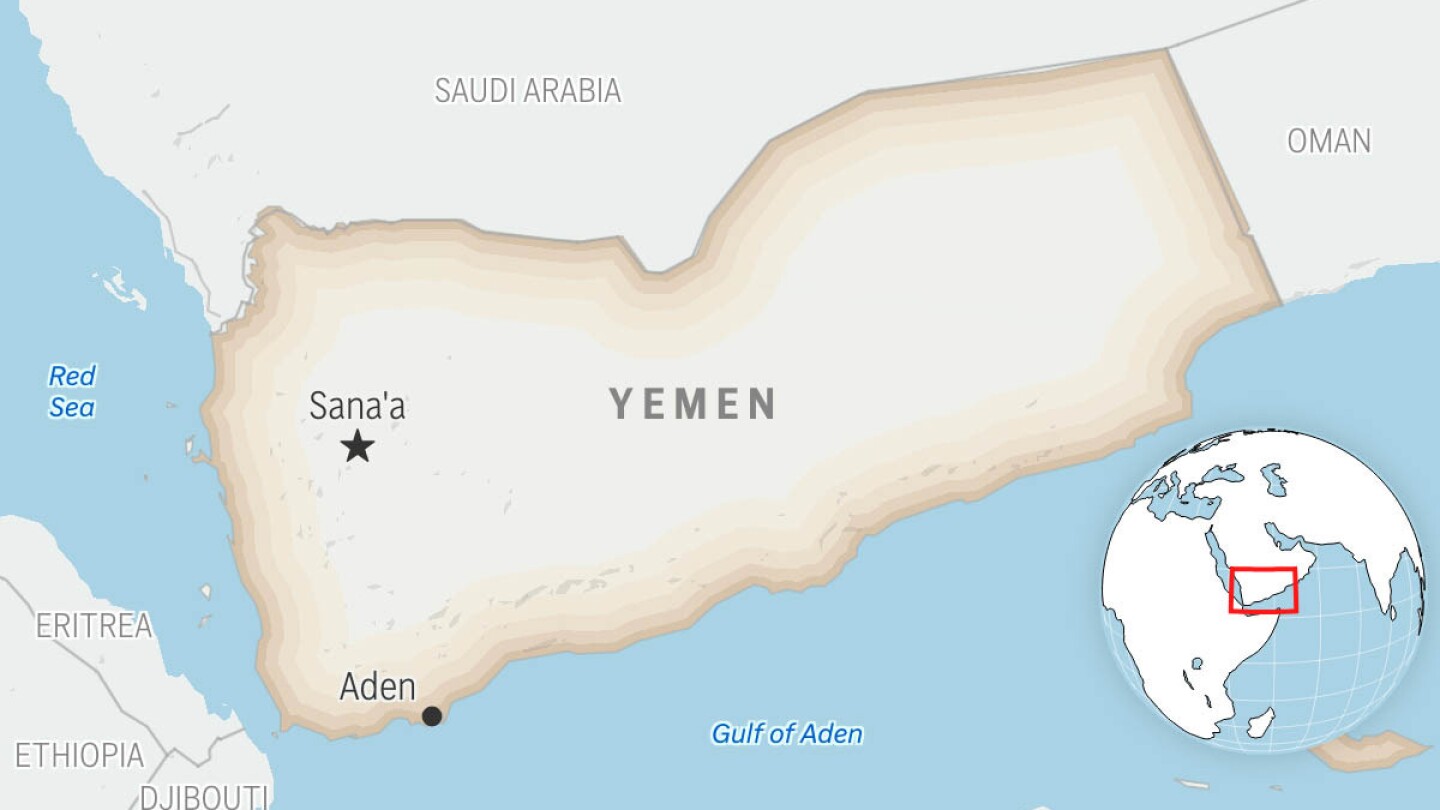
ADEN, Yemen (AP) — A government official stated that Yemen temporarily closed its airspace on Monday due to escalating tensions in the southern region, following a takeover of an oil-rich area by a separatist group supported by the United Arab Emirates.
The Southern Transitional Council’s recent control over parts of Hadhramaut province highlights a division among forces that are united against the Houthi rebels, who dominate the country’s north, including the capital, Sanaa. Yemen has been engulfed in a civil war since 2014, with the Iranian-supported Houthis opposing an internationally recognized government backed by a coalition led by Saudi Arabia. The separatist council, however, seeks to establish an independent state in southern Yemen.
Saudi-led Coalition’s Response
A Yemeni official reported that the Saudi-led coalition denied flight permissions, impacting routes to and from the southern city of Aden, which hosts the internationally recognized government. He described the action as a “message” from Saudi Arabia to the separatists in light of their recent gains in Hadhramaut.
While Saudi Arabia did not confirm the airspace closure, the coalition has controlled Yemen’s airspace since its involvement in the conflict began in 2015. Hundreds of travelers faced delays before flights resumed, according to the official, who requested anonymity due to his non-authorization to speak with the media. An AP journalist noted that airport staff began processing passengers for a flight to Cairo that was initially scheduled for early Monday.
Expansion of STC Control
The Southern Transitional Council (STC), which consists of armed groups funded and trained by the UAE, expanded its territory earlier this month by capturing Seiyun in Hadhramaut, along with significant oil fields and energy facilities. This was achieved following minor skirmishes with the Yemeni military and local tribes.
Reportedly, STC forces have spread throughout the strategic Wadi Hadramout area, which includes key urban centers and military installations. They recently took over the presidential palace and the international airport in Seiyun, progressing towards Mahra province, which borders Oman. In addition, the STC raised the South Yemen flag over various government buildings in southern Yemen, asserting their intent for independence.
Political Implications and Regional Repercussions
In the wake of these developments, the chairman of the ruling Presidential Council, Rashad al-Alimi, called for Emirati-backed forces to exit from recently acquired territories, asserting that any unilateral actions would undermine the state’s legal status. Analysts suggest that this shift in control could alter the power dynamics within Yemen, with the UAE appearing as a significant beneficiary.
The STC’s actions mark a crucial turning point, prompting inquiries about Saudi Arabia’s likely response given the implications for its national security. The balance of power is shifting as the UAE-backed forces now command nearly all of southern Yemen, holding critical coastal regions.
