



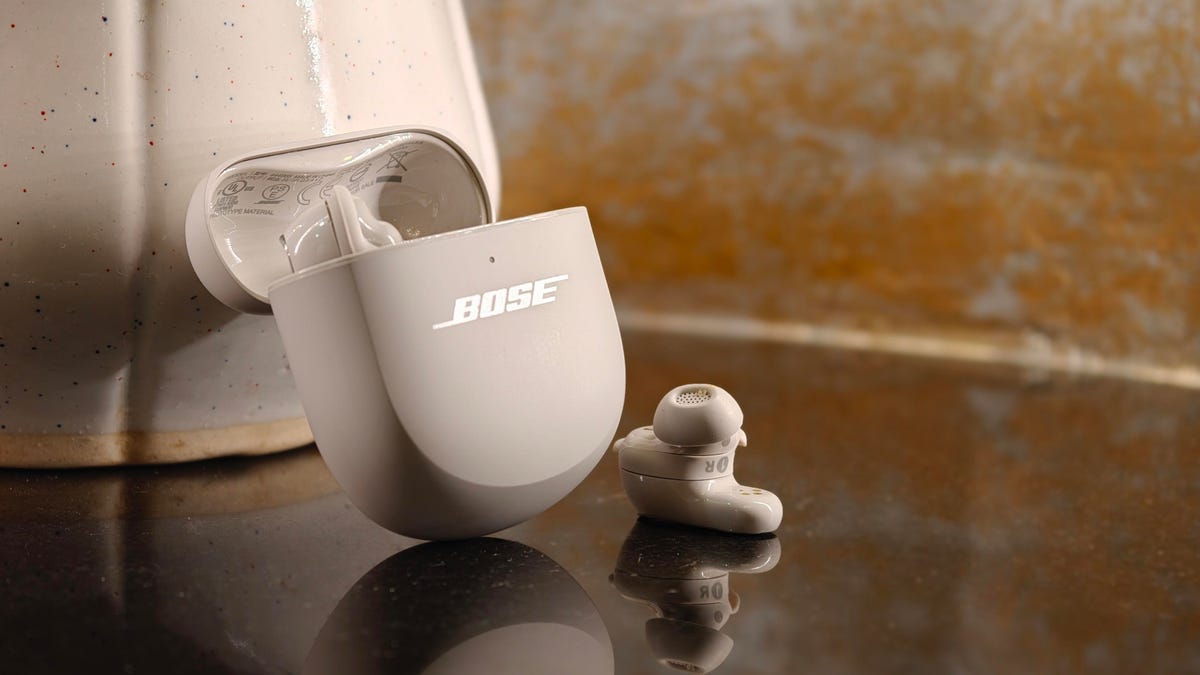
Sure! Here’s a paraphrased version of the article while maintaining the essential information, structured in HTML format:
<div>
    <h3>Key Insights from ZDNET</h3>
    <ul>
        <li>The Bluetooth Special Interest Group (SIG) launched Bluetooth 6.0 in September 2024.</li>
        <li>This version introduces features for universal device tracking, reduced latency, and improved wireless connections.</li>
        <li>Although new smartphones are using this standard, headphones and earbuds lag in adoption.</li>
    </ul>

    <p>Bluetooth technology enhances the experience of wireless audio, but its advancements go beyond just connectivity. Different Bluetooth versions affect audio compression, transmission quality, latency, and connection reliability. Technological improvements promise better performance for headphones and earbuds.</p>

    <p>Despite the release of the <a target="_blank" href="https://www.bluetooth.com/blog/just-released-bluetooth-core-6-2/">Bluetooth 6.2 core specification</a> in November, many new headphones still feature earlier versions like Bluetooth 5.3 or 5.4. While not every update introduces revolutionary changes, Bluetooth 6.0 and beyond offer notable enhancements in connectivity and performance.</p>

    <h2>Enhanced Connection Efficiency</h2>
    <p>Bluetooth 6 offers significant improvements in device discovery and pairing, resulting in swifter and more seamless connections. This is especially beneficial for those who utilize multipoint connections, allowing for multiple devices to be saved and switched with ease.</p>

    <p>The latest features like Decision-Based Advertising Filtering and Monitoring Advertisers aim to resolve common issues encountered with multipoint connections, providing faster reconnections to previously linked devices. For instance, improved 'advertising' methods mean that devices can send smaller, low-energy signals, facilitating effortless connections without draining battery life.</p>

    <h2>Improvements in Latency</h2>
    <p>Earlier Bluetooth versions were notorious for latency issues, particularly noticeable between audio and video. Although newer iterations have reduced delays, advancements like the Isochronous Adaptation Layer (ISOAL) promise better real-time data transmission suitable for mobile gaming and AR/VR experiences.</p>

    <p>Thanks to these enhancements, gamers may no longer need wired connections, providing greater flexibility for diverse audio demands across various platforms.</p>

    <h2>Universal Device Tracking Capabilities</h2>
    <p>Bluetooth Channel Sounding emerges as an exciting feature, potentially revolutionizing device tracking. It allows users to locate devices with significant accuracy, making it accessible even for those that lack ultra-wideband (UWB) chips.</p>

    <p>This feature uses Phase-based Ranging (PBR) and Round-trip Time (RTT) to calculate distances and directions between devices over the Bluetooth Low Energy (LE) network, decreasing the need for UWB chips in numerous devices.</p>

    <p>As the adoption rate for newer wireless technologies is generally slower for headphones compared to smartphones, noticeable adoption of Bluetooth 6 in audio devices is expected to increase in 2026. While Apple remains selective about its wireless technology, utilizing an Android phone may grant you earlier access to Bluetooth's latest features.</p>
</div>
This version keeps the core information while presenting it clearly and distinctly in an HTML format.
