



The Rise of Automated Ball-Strike Systems in Baseball
It won’t be long before baseball’s automated ball-strike challenge system influences game outcomes, prompting traditionalists to lament the introduction of robotic umpires.
However, much like the quickly accepted pitch timer and infield shift regulations, the Automated Ball-Strike (ABS) system doesn’t fundamentally disrupt gameplay. The results—detailing pitch distance from the strike zone—are displayed on the scoreboard.
Testing and Implementation
The ABS was trialed in the minor leagues from 2022 to 2025 and received approval for Major League Baseball (MLB) use last September. While the league opted for a challenge system over total automation to maintain some human oversight, players are adjusting to the changes rapidly.
“You acclimate quickly,” said Red Sox infielder Mikey Romero. “I appreciate it because it ensures correct calls without changing the game’s pace.”
Appreciating Umpire Skills
This new system allows for increased appreciation of MLB umpires, who are generally adept at making calls. Mistakes are often marginal, as noted by Red Sox manager Alex Cora, who emphasized the significant skill involved in umpiring a game.
The Impact of ABS
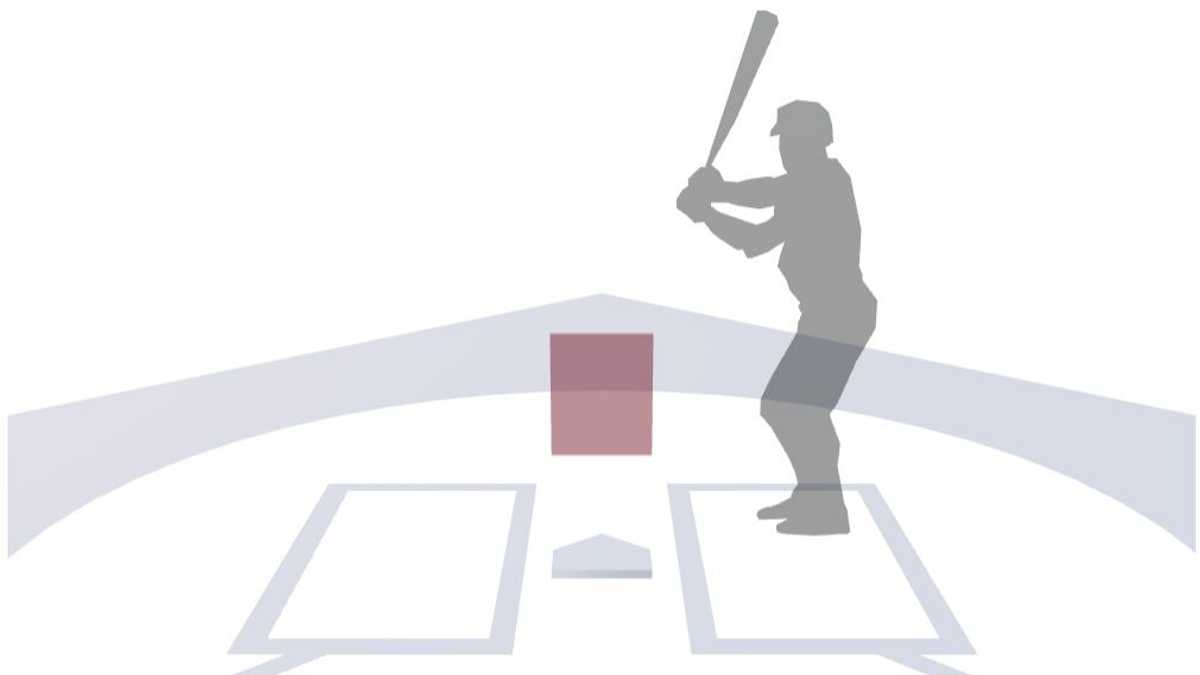
ABS creates a standardized strike zone, removing the variability that previous umpires imposed. Now there is a consistent zone for all players, a shift that some perceive as diminishing the drama of managerial debates with umpires regarding calls.
Strategies with Challenges
The advent of ABS introduces strategic dimensions for teams regarding challenge use. With only two challenges available per game, players must choose wisely when to utilize them, particularly in high-pressure situations, as indicated by Red Sox third baseman Caleb Durbin.
Future Implications
Although it remains uncertain how much ABS will influence gameplay, early indications suggest that the system may favor hitters by providing a more predictable strike zone. Consequently, the game’s offensive metrics could shift significantly.
