



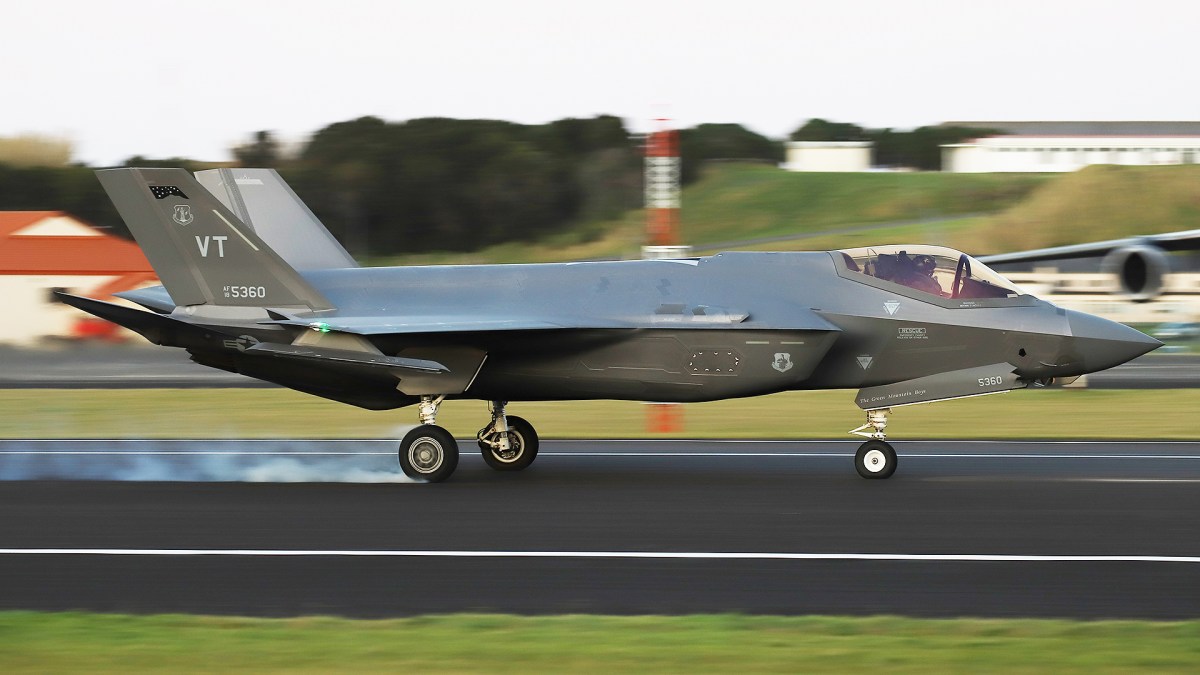
U.S. military aircraft movements to the Middle East are increasing, potentially including F-35A stealth fighters. This escalation coincides with a growing deployment of U.S. forces in the region as Washington and Tehran exchange threats regarding a potential attack involving Iran. In response, Iran claims to have distributed additional aerial and naval drones to its military for potential operations against U.S. and Israeli interests.
Stay updated on the rising tensions in the Middle East with our latest coverage here.
At a cabinet meeting on Thursday, War Secretary Pete Hegseth stated that the Pentagon is prepared to follow any directives from President Trump, who is intensifying pressure on Iran regarding its nuclear ambitions. Hegseth emphasized, “They must not pursue nuclear capabilities. We will be ready to take action based on the president’s expectations for the War Department.”
Reports indicate that Trump is weighing military options that may involve U.S. airstrikes targeting Iranian leaders and nuclear sites, with indications that the presence of a U.S. carrier strike group in the region expands these options. As tensions rise, U.S. Air Force F-35A fighters may be deployed to the Middle East, following recent missions from Puerto Rico.
The F-35As, which were instrumental during last June’s Operation Midnight Hammer, could enhance U.S. capabilities to target areas deep within Iran. While the Vermont Air National Guard has not commented on their current movements, previous patterns suggest an influx of capabilities into the Middle East.
In addition to these aircraft, F/A-18G Growler jets and other tactical aircraft have also been repositioned toward the region. The U.S. is reinforcing its military presence amid ongoing threats from Iran, while both sides continue to engage in diplomatic discussions, though with little success amid rising tensions.
