



For Black individuals with Tourette syndrome, a recent incident at the British Academy Film and Television Arts Awards, where a vocal tic unintentionally manifested as a racial slur during the presentation by two Black stars of the film “Sinners,” has stirred complex feelings within the community.
Chloe Winston, 24, who experiences coprolalia like John Davidson, the Tourette syndrome advocate and BAFTA nominee who shouted the slur, expressed the difficulty of the situation. “There’s a clash between both sides,” she stated. “A tic is not intentional, yet it still causes harm, which requires accountability.”
Davidson’s outburst occurred right after Michael B. Jordan and Delroy Lindo presented the first award of the ceremony, generating significant controversy. While many were outraged that Black attendees had to hear the slur, the disability community also voiced frustration over misconceptions surrounding Tourette syndrome. Additionally, the BBC faced backlash for airing the slur uncensored two hours after the live event, unlike other award shows that typically have a short tape delay.
The BAFTA and BBC issued apologies that many perceived as inadequate, with plans to remove the incident from their iPlayer streaming service. This controversy has encouraged individuals within the Black community who live with Tourette syndrome, including politicians and content creators, to advocate for greater understanding and support. They believe that acknowledging the harm caused by the incident doesn’t lessen the pain felt by the Black community but emphasizes the need for empathy.
Tourette Syndrome and Coprolalia Explained
Tourette syndrome is a neurodevelopmental disorder characterized by involuntary movements and sounds known as tics, as defined by the Tourette Association of America. Tics can be either motor or vocal, and their severity may vary significantly. Symptoms typically begin in childhood and peak between ages 10 and 14. Approximately 1.4 million people in the U.S. are affected by Tourette syndrome or a persistent tic disorder, according to the Centers for Disease Control and Prevention.
Coprolalia involves involuntary utterances of profanities and socially unacceptable phrases, affecting 10%-15% of those with Tourette syndrome. Such vocal outbursts are involuntary and can be triggered by stress, making them especially distressing for those affected. Treatment varies but often includes medications and behavioral therapies to help manage symptoms.
Addressing Racism and Ableism
Jhónelle Bean, a Black American Sign Language interpreter with Tourette syndrome, highlighted the complexity of the situation through a viral TikTok video discussing the dual realities of the incident. “Two things can be true at the same time,” she explained, noting the hurt caused by the racial slur while recognizing that it was an involuntary act. Bean criticized both the BAFTAs and the BBC for not removing the slur from the broadcast, stating they had the power to do so.
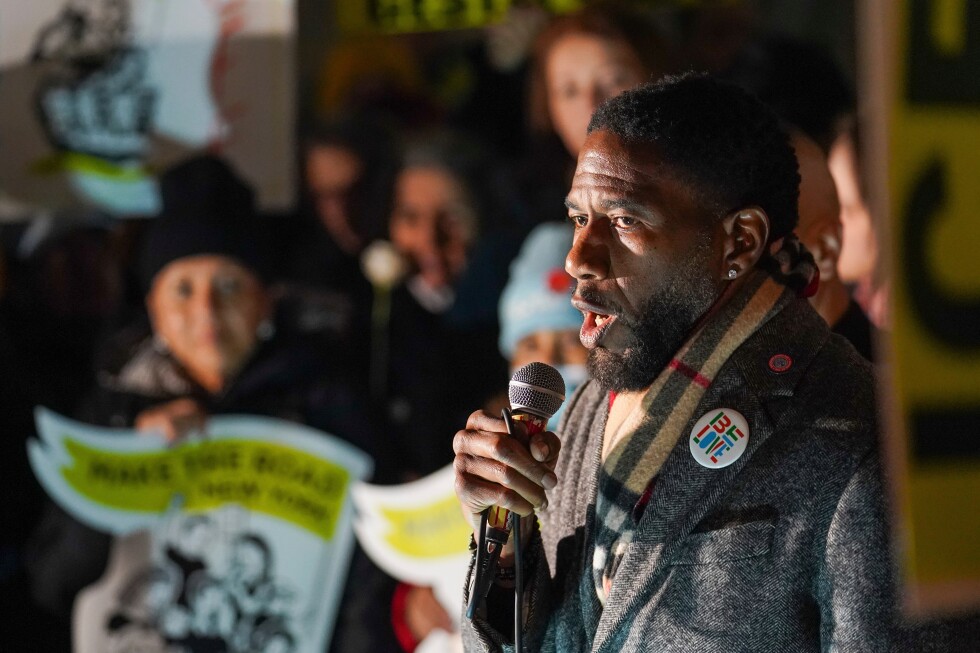
Loading public discussions about ableism, Bean related the derogatory comments aimed at Davidson, asserting that such remarks were discriminatory. Although she disagreed with sentiments minimizing the impact of the slur, she recognized the physical and mental toll of holding in tics, as expressed by Jumaane Williams, a Black New York City public advocate who also has Tourette syndrome.
The Need for Support Networks
Reice Griffin, 20, a rising leader with the Tourette Association of America, underscored concerns for Black individuals facing Tourette syndrome, especially regarding negative assumptions and interactions with law enforcement. The organization aims to enhance support for people of color experiencing these challenges. Griffin participates in support groups and advocacy efforts to empower young Black individuals with Tourette syndrome.
Williams echoes Griffin’s sentiments about the necessity for more support, sharing his experiences and connecting with those who face similar challenges. His personal encounters at events provide emotional spaces for families seeking support, signaling a growing need for community connection and understanding.
