



Background on Police Visits
Prior to the tragic deaths of Rob and Michele Reiner, Los Angeles police visited their Brentwood home on at least two occasions. The first visit was on February 25, 2019, following a 911 call for a welfare check. Officers reached the home at 10:12 PM, completed their assessment, and reported their findings to an unnamed supervisor.
Subsequent Mental Health Call
Another call for service was logged on September 27, 2019, at 4:24 PM, related to mental health concerns involving an unidentified individual. Officers later reported to their supervisor that they found “no indication of mental illness,” based on department records.
Allegations Against Their Son
Despite the relatively routine nature of these police calls, the couple’s son, who resided in a guesthouse on their property, was alleged to have fatally stabbed them in their master bedroom last month. His mental health, particularly his history of substance abuse and use of medication for schizophrenia, is now a focal point in the legal proceedings.
Legal Proceedings and Potential Defense Strategies
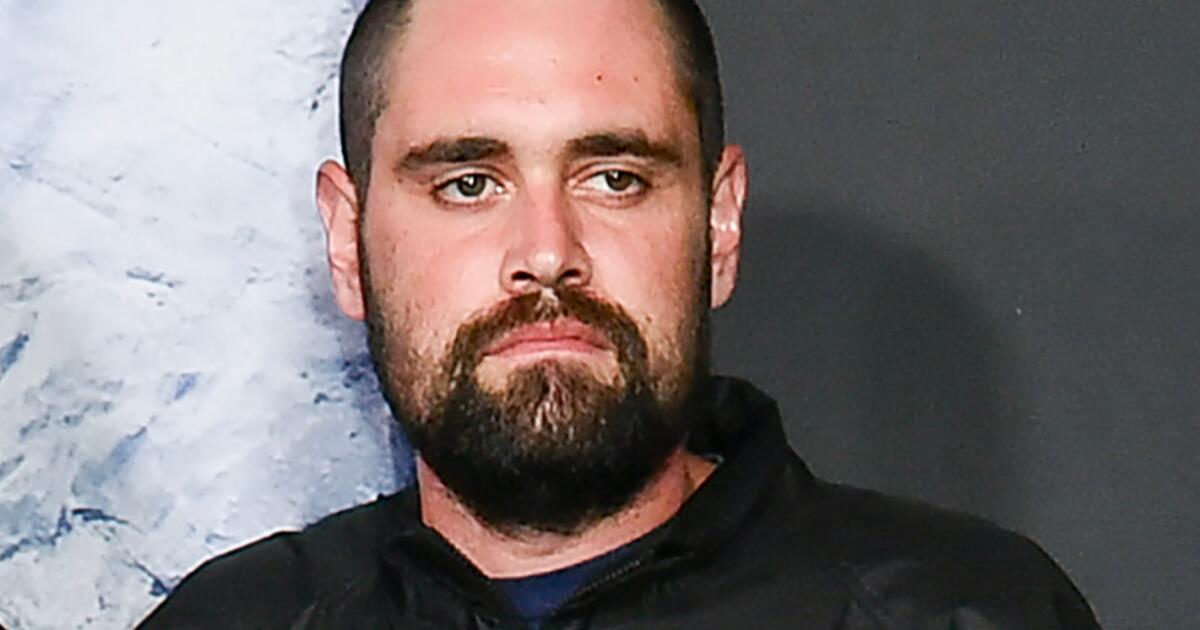
Nick Reiner, aged 32, faces two counts of first-degree murder with special circumstances related to the killings on December 14. Details regarding a motive have yet to be clarified. His legal team has not disclosed his side of the story, and while there are options for a robust defense, the trial will likely center on his mental state and potential sentencing implications.
Assessing Mental Health History
Legal experts indicate that Reiner’s attorney is likely scrutinizing his mental health history for insights that may influence plea negotiations or an insanity defense. Factors such as medication changes, and the events leading up to the incident, are likely to be evaluated to ascertain his mental condition at that time.
Possibilities for Reduced Charges
If Reiner’s defense can demonstrate that he lacked the requisite intent to kill due to his mental health and medication, a lesser charge, such as second-degree murder, might be pursued. Experts emphasize that the case is not straightforward and should be assessed for various potential outcomes.
Future Developments and Outcomes
If found guilty of first-degree murder, Reiner could face life imprisonment without parole or even the death penalty, pending prosecutorial decision. Conversely, a not guilty verdict by reason of insanity could lead to commitment in a mental health facility instead of prison. While insanity defenses are often challenging, this particular case may warrant distinct considerations based on the emerging facts.
