


The expanding Iranian conflict is highlighting the country’s cryptocurrency system, which analysts estimate facilitated $7.8 billion worth of transactions last year, with the Islamic Revolutionary Guard Corps (IRGC) seen as a major participant.
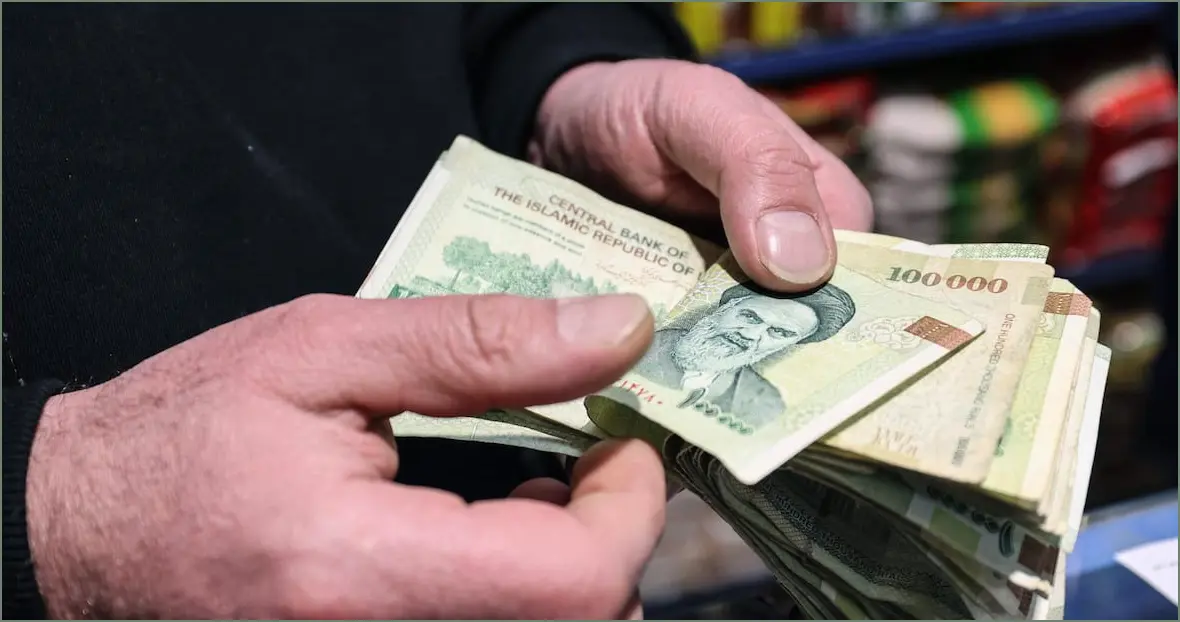
For decades, Washington has imposed sanctions on Iran, and the Trump administration’s “maximum pressure” campaign resulted in a local economic collapse in December, with the Iranian rial reaching a record low against the US dollar in January.
“There is practically no working economy,” Alan Eyre, a prominent US diplomat involved in the American nuclear negotiation team from 2010 to the 2015 Joint Comprehensive Plan, stated in The National.
“The economy was already in dire condition before the conflict commenced, and now everything is at a standstill. The economic situation is effectively immobilized.”
As Iran’s economy collapses and the currency becomes increasingly devalued, cryptocurrencies have become a pivotal element of Iran’s financial landscape. Research from the International Monetary Fund indicates that digital assets are becoming more prevalent as a hedge against currency depreciation.
Many Iranians have adopted cryptocurrencies as a financial safeguard during times of economic turmoil, protests, and significant drops in the rial’s value.
Increase in Crypto Outflows
One of the exchanges monitored by Ms. Martin, Nobitex, is the largest crypto asset exchange in Iran, playing a crucial role in the nation’s crypto ecosystem.
Iranians utilize Nobitex for inflation hedging and the simplicity of money transfers, with the exchange also serving the state and the IRGC.
Blockchain analytics firm Elliptic reported that Nobitex processed $7.2 billion in crypto transactions last year, boasting over 11 million users.
Following coordinated US-Israeli strikes on Iran, crypto outflows from Nobitex surged by 700 percent in the hours afterward, as reported by researchers at Elliptic.
“Iranian state actors and those linked to the IRGC utilize local exchanges, indicating that some outflows may represent state actors transferring funds from Iranian platforms,” Ms. Martin noted.
Large transfers in hundreds of thousands to millions of dollars could indicate activity by the Iranian regime, according to Martin.
Evasion of Sanctions
Mr. Tugendhat stated that while digital assets are just one facet of Iran’s broader strategy to evade sanctions, much of the nation’s wealth remains in traditional assets, particularly gold.
“Gold is the primary store of value in Iran, as it is the only asset they can rely on. Note that the IRGC operates a large criminal network, controlling approximately 40 to 50 percent of the Iranian economy,” he remarked.
In January, the US Treasury sanctioned Iranian businessman Babak Zanjani for allegedly supporting IRGC-related projects.
Treasury officials alleged that two cryptocurrency exchanges, Zedcex and Zedxion, registered in the UK, served as components of a wider network facilitating IRGC-linked fund transfers globally with significant anonymity.
