


Reflecting on a Legacy
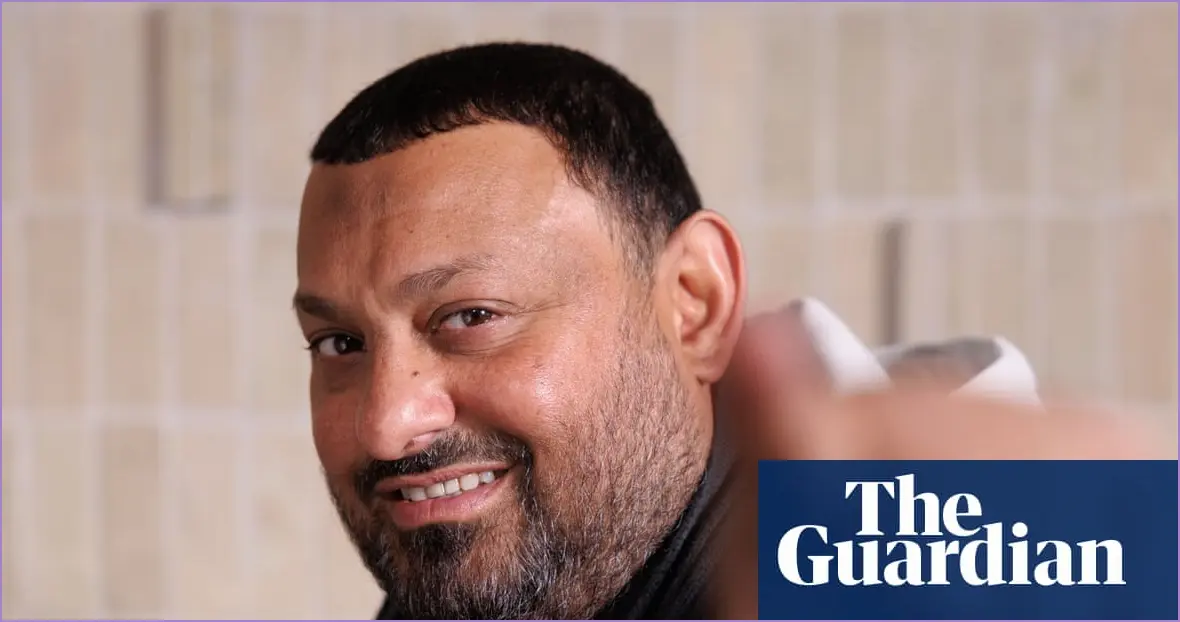
Naseem Hamed, now 51, exudes a regal presence. Settling into a chair, he pauses to reflect on his journey. It’s hard to reconcile this composed man with the flamboyant Prince Naseem who transformed British boxing 30 years ago with his remarkable skills and charisma.
A Passion Ignited
“You need to understand this,” Hamed emphasizes while reminiscing about Brendan Ingle’s famed gym in Sheffield. “From the moment I set foot in that boxing club, I was captivated. The ring, the bags, the lines on the floor—it all got me obsessed. Boxing felt like a game of tag to me: I hit you, but you can’t hit me. I was exceptionally skilled at it.”
From Rising Star to Champion
My first encounter with Hamed was in April 1992 when he knocked out Shaun Norman in just two rounds. At 18, his exuberance was reminiscent of a vibrant dance performance. I could easily picture him in a competitive ballroom dance setting.
Defining Moments
By May 1994, Hamed captured the European bantamweight title in only his 12th bout, dominating Vincenzo Belcastro. This seasoned fighter had never faced a knockdown before, but Hamed quickly dismantled him with a brilliant right-left combination. The match showcased Hamed’s flair, as he controlled the fight for 12 rounds, mixing brutality with artistry.
Cultural Significance
Hamed’s ascent was culturally pivotal; he was the first major British fighter who wasn’t strictly categorized by race, facing both racial criticisms and misguided notions. He identified as British and Arab, a proud Yorkshireman of Yemeni descent. In a 1994 interview, he claimed: “I am a Muslim from Yemen but raised in Sheffield. That says it all about me.”
A Complex Relationship
Hamed’s tumultuous bond with Ingle, who first trained him at age seven, is highlighted in the new film “Giant,” starring Amir El-Masry as Hamed. Though the film portrays hidden resentments, Hamed expresses a desire for reconciliation, stating, “I’ve tried to reach out to Brendan countless times.”
A Life Well-Lived
Despite his solitary loss against Marco Antonio Barrera in 2001, Hamed reflects on his choices with pride. “I retired at 28, having accomplished everything I set out to do,” he declares. He acknowledges the dangers of boxing but credits his careful approach and strategic exit for his good health today. “I chose my time to get out,” he states. “I didn’t want my legacy tarnished.”
