


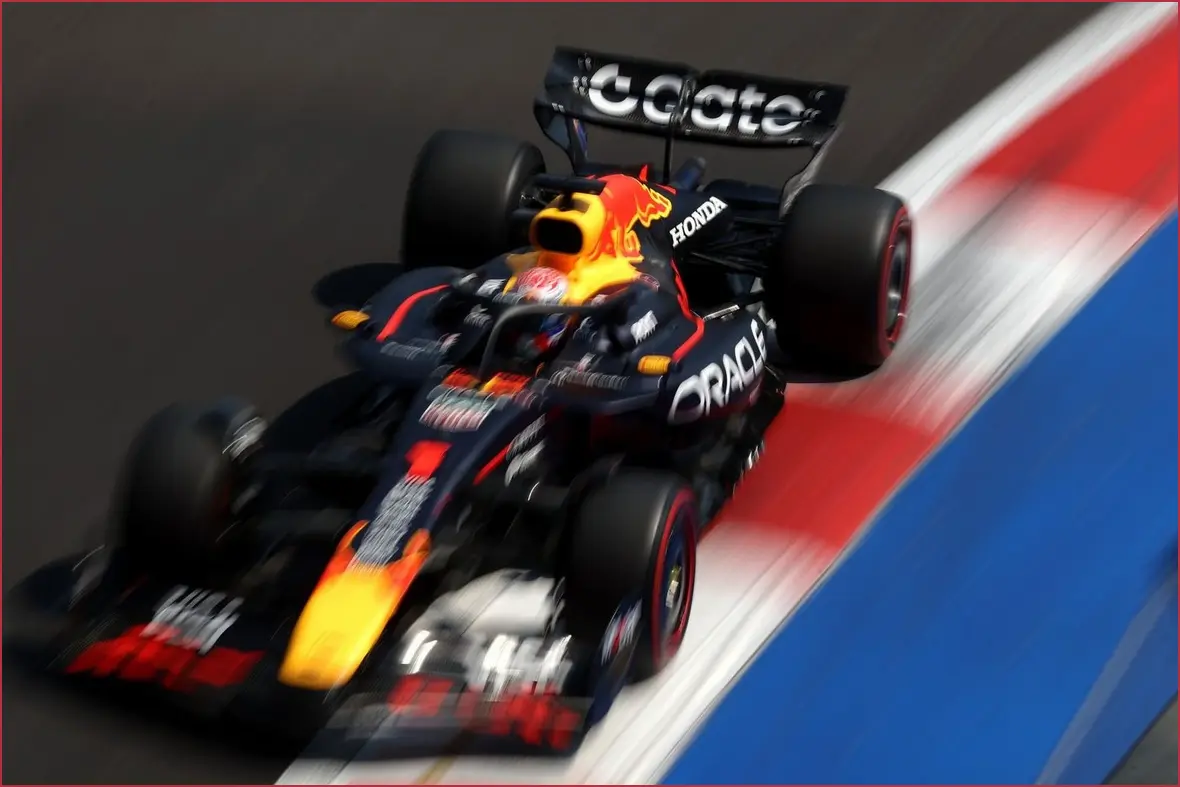
On Thursday, Red Bull will present its new RB22 Formula 1 car in the United States, following a challenging 2025 season in which Max Verstappen nearly overcame a significant 104-point deficit to secure his fifth consecutive title. However, this achievement is largely overshadowed by the introduction of new technical regulations concerning both the chassis and engine, along with a management reshuffle within the Red Bull team.
Changes at Red Bull
The team has undergone substantial changes compared to its 2024 setup, when it was the reigning world champion. Key figures who have left the Milton Keynes-based team over the past two years include team principal Christian Horner, chief technical officer Adrian Newey, sporting director Jonathan Wheatley, head of strategy Will Courtenay, and advisor Helmut Marko, with the latter two departing recently.
In their place, new leadership has emerged; Laurent Mekies has been promoted from the Racing Bulls team, while Pierre Wache now heads the technical team without Newey’s guidance. Additionally, Gianpiero Lambiase, Verstappen’s race engineer, has assumed more responsibilities as the head of race engineering.
Driver Line-Up Changes
The team has also revamped its driver roster. After a disappointing 2025 season, Yuki Tsunoda has been relegated to a reserve role. In his place, Isack Hadjar steps up to the main team for his second season, following a standout performance in his rookie year at Racing Bulls, where he outperformed teammate Liam Lawson and secured a podium finish.
Key Challenges Ahead
The most significant change—and challenge—for Red Bull lies in using its own power units in partnership with Ford. This decision followed Honda’s exit from F1, a departure Honda reconsidered upon realizing Red Bull’s competitive rise. Nonetheless, the team had already pledged to its new direction.
Becoming a new engine manufacturer in F1 poses a formidable challenge, as illustrated by Honda’s past struggles with McLaren after entering the sport amid new regulations. Although Red Bull-Ford won’t share the same timing issues, achieving competitiveness from the outset remains a substantial goal, especially under revised regulations emphasizing electric power. The experience of former Mercedes engineers and Ford’s expertise will be crucial.
Strengths and Future Goals
Red Bull’s greatest asset is undoubtedly Verstappen, who demonstrated his talent by launching an unexpected title challenge in 2025, finishing just two points shy of Lando Norris despite driving a less competitive car. However, Verstappen’s success in 2026 will depend significantly on the performance of his new car, as no driver can always transcend their vehicle’s limitations.
Ambitions for F1 2026
As the team with the highest number of titles in the 2020s, Red Bull’s expectations remain high: they aim for victories and a potential championship. The success of the new RB22 will heavily hinge on the competitiveness and reliability of the Red Bull-Ford powertrain, which will, in turn, influence the team’s ability to retain Verstappen moving forward.
