


January: A Pivotal Month for Cryptocurrency
January was slated to be a significant month for the cryptocurrency sector, with the Senate set to begin discussions on the CLARITY Act. This essential legislation would establish the legal framework for the cryptocurrency market in the United States, clarifying which digital assets qualify as securities versus commodities, outlining regulatory obligations for companies, and defining consumer protections. The House had already approved its version of the bill months prior, and the White House was poised for its endorsement. Both Democrats and Republicans appeared to share a consensus on its fundamental principles.
A Long-Awaited Regulatory Framework
After years of operating in a regulatory gray area, the cryptocurrency industry was finally on the brink of obtaining a clear set of guidelines—perhaps not perfect, but definitive. Connor Brown, Strategy Head at the Bitcoin Policy Institute, expressed the desire for stability, emphasizing that regulations should not fluctuate with each new administration.
A Sudden Development
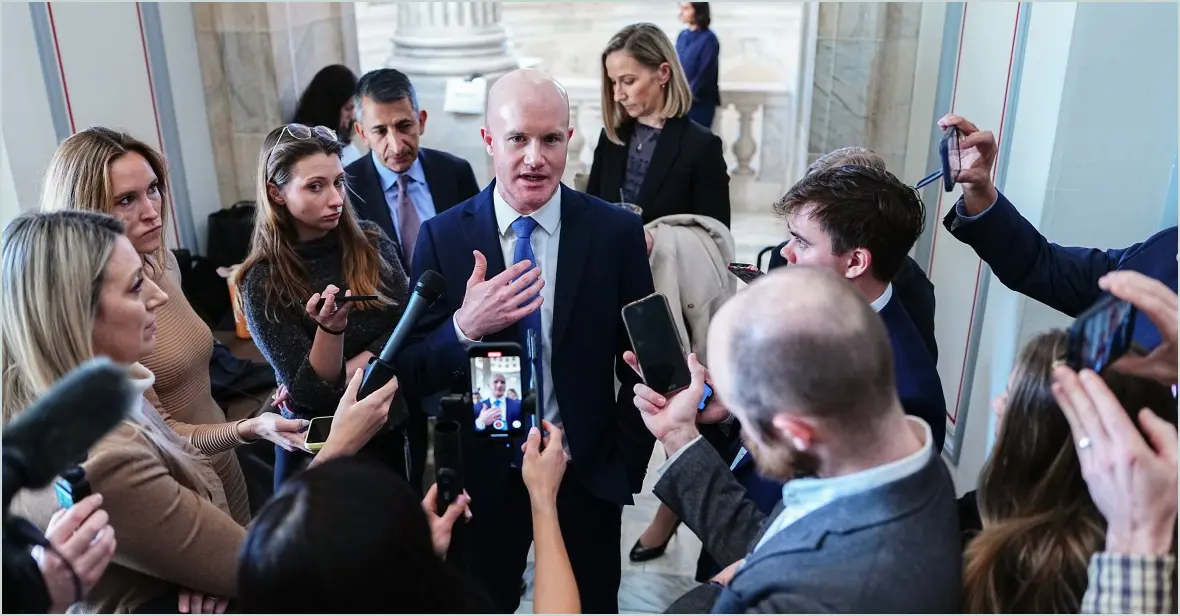
However, just before the Senate Banking Committee was set to meet for markup sessions, everything unraveled. Coinbase, the largest cryptocurrency exchange, unexpectedly announced its withdrawal of support for the CLARITY Act after reviewing the final draft, just hours before critical negotiations were to begin.
Coinbase’s Stance
“We’d rather have no bill than a bad bill,” stated CEO Brian Armstrong on social media, citing the influence of large banks whose lobbyists rushed in to mitigate competition from crypto wallets. Armstrong raised several specific concerns, particularly about whether holders of stablecoins could earn interest, similar to traditional bank account procedures.
Industry Reactions
Tim Scott, the Banking Committee chairman, promptly canceled the markup, labeling it a “brief pause” to allow for renegotiation. Many major players in the cryptocurrency space publicly condemned Coinbase’s actions, asserting their support for the Senate bill and criticizing Coinbase’s withdrawal.
Time Constraints and Political Dynamics
The urgency for bipartisan cooperation is heightened as midterm elections approach, complicating the legislative landscape. A significant deadline looms for passing meaningful cryptocurrency legislation, coinciding with campaign season, and further delays could jeopardize prospects for a bill.
The Future of the CLARITY Act
Pushing the bill into the next year poses its risks, particularly with potential shifts in Congressional control that could hinder its passage. The current administration is an ally to the crypto sector, yet future political changes could hamper the likelihood of favorable crypto regulations. As highlighted by Seth Hertlein from Ledger, there’s no assurance the current political conditions will remain favorable for the factors influencing the cryptocurrency industry.
