


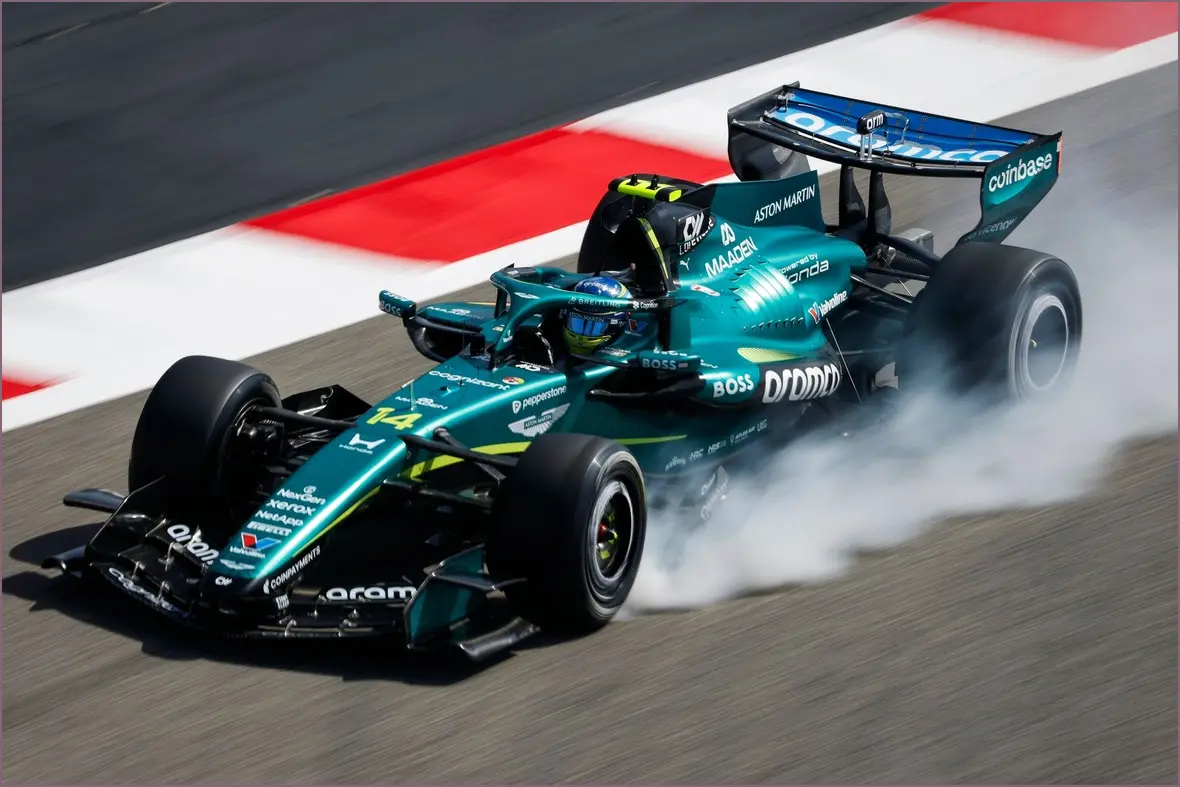
Mixed Reception for Formula 1’s New Cars
It’s apparent that the new generation of Formula 1 cars has not been received as positively as the series’ leaders anticipated. While Lewis Hamilton has expressed his discontent regarding the complexity of the vehicles, fellow champion Max Verstappen went even further by criticizing the new regulations, labeling them as “anti-racing” and likening them to “Formula E on steroids,” which ironically was taken positively by the electric racing series.
Driving Challenges and Resource Management
The new rules are designed around a near 50-50 balance of electric and combustion energy, resulting in unusual driving behaviors. Drivers are now faced with extreme lifting and coasting strategies that limit cornering speeds while they recharge their batteries. Additionally, race starts have become more challenging, with significant room for error.
Mixed Views Among Drivers
Although Verstappen’s critical perspective was not universally echoed, Mercedes drivers Lando Norris and George Russell indicated that highly paid F1 drivers should have fewer complaints. Some other drivers privately align with Verstappen but chose to be more tactful in expressing their opinions.
Potential Improvements and Performance Metrics
The current regulations heavily focus on ambitious power unit targets aimed at enticing engine manufacturers. Despite this, the FIA has made progress, resulting in cars that are smaller, lighter, and more agile, with reinforced crash structures. Viewing the action in Bahrain highlighted that drivers need to engage more actively in low-speed corners, which rewards skill and potentially facilitates overtaking.
Entertainment vs. Driver Enjoyment
This situation raises an intriguing question: Does Formula 1 need to be entertaining for viewers, or should it also be enjoyable for drivers? Many argue that the spectacle for audiences is more critical than driver satisfaction; however, previous generations of cars have shown that driver preferences cannot be entirely ignored if excitement is the goal.
Safety Concerns and Future Regulations
Concerns also arise regarding safety, as the 2026 energy harvesting requirements could lead to hazardous situations on the grid. Drivers could face extreme closing speeds, especially in circuits like Jeddah, prompting fears of accidents. McLaren’s Andrea Stella has publicly advocated for attention to safety, stressing that every team and the FIA must prioritize grid safety over competitive interests.
Proposed Solutions and Collaborative Efforts
Proposed adjustments include modifying the timing of the start procedure and allowing cars to harvest energy more efficiently. Stella insists that reaching a compromise is crucial, emphasizing that these changes should be made before the next race in Australia. The onus is now on the teams and the FIA to find common ground to address safety concerns effectively.
