


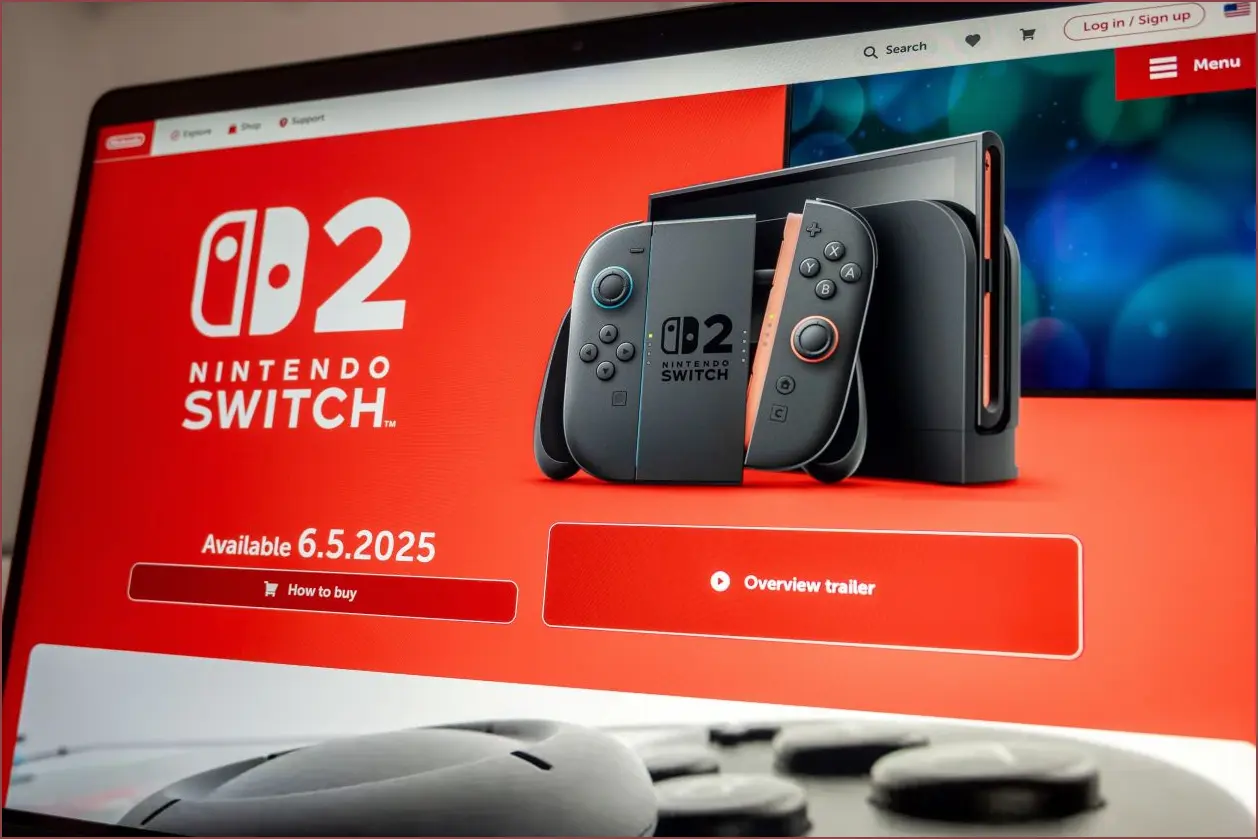
High expectations surrounded the USB-C future of the Switch 2, with many gamers believing their current accessories would seamlessly integrate. The marketing suggested simplicity and reassurance, but the actual experience has been inconsistent and often confusing. While some devices connect and power up immediately, others—despite being newer or more expensive—hardly respond.
Understanding “compatible”
When consumers heard “compatible,” they envisioned a universal standard. Instead, what they received resembles a curated ecosystem. Nintendo hasn’t clarified strict criteria, leading to a disconnection between what players expected and what they encounter. This uncertainty breeds frustration, as users struggle to determine what will actually work with their console. An industry expert noted, “Compatible didn’t imply ‘compatible with USB-C’; it meant ‘compatible with the Switch 2.’” This nuanced wording drastically alters the interpretation.
Unexpected USB Port Outcomes
Interestingly, older gear remains unexpectedly reliable. For instance, the classic Logitech C920 webcam powers up instantly on the Switch 2, despite its 2012 inception. In contrast, newer models sometimes lag behind their predecessors. Notably, both the C922 and C270 also meet expectations, while a $10 USB endoscope operates without issues. These successes suggest the console is compatible with basic, driverless UVC webcams, yet no consistent guarantee exists.
Lack of Manufacturer Guidance
The situation becomes more problematic here. Major brands like Logitech, Razer, Microsoft, Anker, Elgato, Dell, Insta360, Obsbot, and Opal have yet to provide official lists detailing Switch 2 compatibility. Without this guidance, consumers must resort to experimentation, returning products, or simply guessing. This trial-and-error phase can be frustrating for budgets and user patience. One user lamented, “I just want to know if my camera works before I spend more money.”
The Technical Confusion Clarified
USB-C represents a connector, not a guarantee of full interoperability. Factors like firmware and power-management choices dictate what a console accepts, negotiates, and powers. A webcam may be USB Video Class compliant, but if it demands additional power, proprietary drivers, or unique resolutions, it might still fail in real-world scenarios. The Switch 2 appears to favor simple, driverless UVC implementations, explaining why older, simpler devices often succeed where more advanced cameras struggle.
The Unfulfilled Promise
The issue isn’t complete incompatibility but rather a lack of clarity. Consumers expected a modern USB-C console to offer a broadly plug-and-play experience, but instead found uncertainty with phrases like “it might work” and “try it and see.” This wasn’t the clear, standard-driven future many envisioned. A transparent public matrix detailing supported classes, power limits, and tested models would help fulfill the initial promise.
Practical Steps Forward
Until manufacturers provide clearer communication, consumers can take practical steps to minimize risks:
- Opt for older, driverless UVC webcams recognized for their basic plug-and-play functionality.
- Avoid feature-rich models that depend on vendor software or nonstandard modes.
- Utilize short, high-quality cables and straightforward hubs to reduce potential power or signal issues.
- Start testing at 720p or 1080p with moderate frame rates before exploring higher settings.
- Retain receipts and purchase from retailers with friendly return policies for potential mismatches.
Significance of These Issues
Ambiguity undermines trust, and trust is vital for a platform’s broader ecosystem. Users unable to predict whether standard peripherals will work may hesitate to invest. This caution stifles innovation and limits users to a narrow selection of “known-good” gadgets. A thriving accessory ecosystem requires confidence, which starts with clear and transparent communication.
Looking Ahead
The encouraging news is that many affordable, older webcams function well, providing a practical option for enthusiastic players today. The even better news is that clear policies from Nintendo and dedicated compatibility pages from major camera manufacturers could resolve most frustrations quickly. Until that happens, the community will continue to test, share results, and build the knowledge base that should have been established from the beginning. Essentially, users are taking on the work the promise suggested they wouldn’t have to.
