



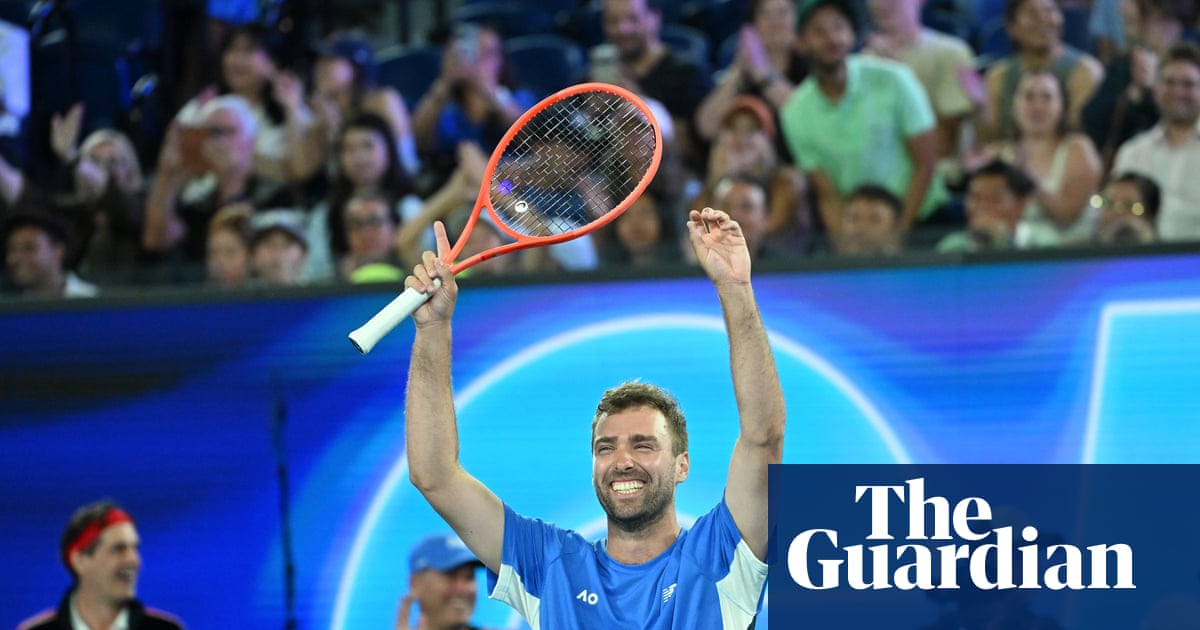
A 29-year-old tennis coach from Sydney, Jordan Smith, triumphed in the inaugural One Point Slam at the Australian Open on Wednesday, securing a prize of A$1 million. He outperformed notable competitors such as Jannik Sinner, Carlos Alcaraz, Iga Swiatek, and Coco Gauff.
Tennis Australia benefited significantly from this new event. Despite its near three-hour duration, somewhat confusing format, and awkward player interactions, it attracted a full audience at Rod Laver Arena, aligning with efforts to innovate fan engagement at Melbourne Park.
The tournament featured a unique knockout format where each match was decided by a single point. To aid the amateur players, professionals were limited to a single serve, with a game of rock-paper-scissors determining who would serve for each point.
Smith, a former US college player ranked 1,141 in the ATP rankings, was visibly thrilled by his victory, stating, “I can’t even speak, it’s unbelievable,” and expressing plans to use his winnings for investing or buying a home in Sydney. His family’s involvement, particularly his girlfriend’s playful request for half of the prize money, added a relatable human element to the competition.
Throughout the evening, Smith and his family captured the spotlight, overshadowing even the tennis superstars who were regularly engaged in stilted interactions with the on-court MC, extending the event beyond 10 PM. Early exits for many of the top players added to the unusual narrative of the event.
The concept had been trialed the previous year, but the introduction of the A$1 million prize heightened excitement for this unique tournament. Players included a mix of local celebrities, qualifiers, and prominent figures like Taiwanese entertainer Jay Chou, who, despite his promise to donate any winnings to charity, lost in the first round.
While the event faced some challenges, including long delays filled with commercial breaks and players losing focus, it also showcased the potential of an engaging new format. The One Point Slam provided no distinct advantages to gender, allowing various players to shine, particularly in the quarter-finals where mental resilience proved crucial. Although no professional left with the grand prize, many expressed support for the format, marking it as a promising addition to the sport.
