



The Return of an Iconic Horror Classic
If there’s a silver lining to the gaming industry’s recent fixation on safe remakes, it’s the revival of beloved horror franchises. The latest classic to be reimagined is Fatal Frame II: Crimson Butterfly, a highly regarded PlayStation 2 title from 2003. At its core, the game revolves around ghost photography, exploring themes of ingrained traditionalism in a village haunted by its own dark history. Minakami Village is far from a welcoming tourist spot.
Remake Trade-offs
This remake, similar to others in the horror genre, makes a trade-off: it replaces the original’s fixed camera angles and atmospheric tension with modern graphics and a more user-friendly control system. The original’s cumbersome controls—where movement was dictated by the right stick and camera by the left—are now streamlined. Importantly, this remake finally makes the game accessible, as it has never previously been re-released, and PS2 discs are costly on platforms like eBay. Fortunately, the essence of horror remains intact, delivering spine-tingling scares both from sudden ghostly appearances and the underlying themes of structural violence.
The Haunting Journey Begins
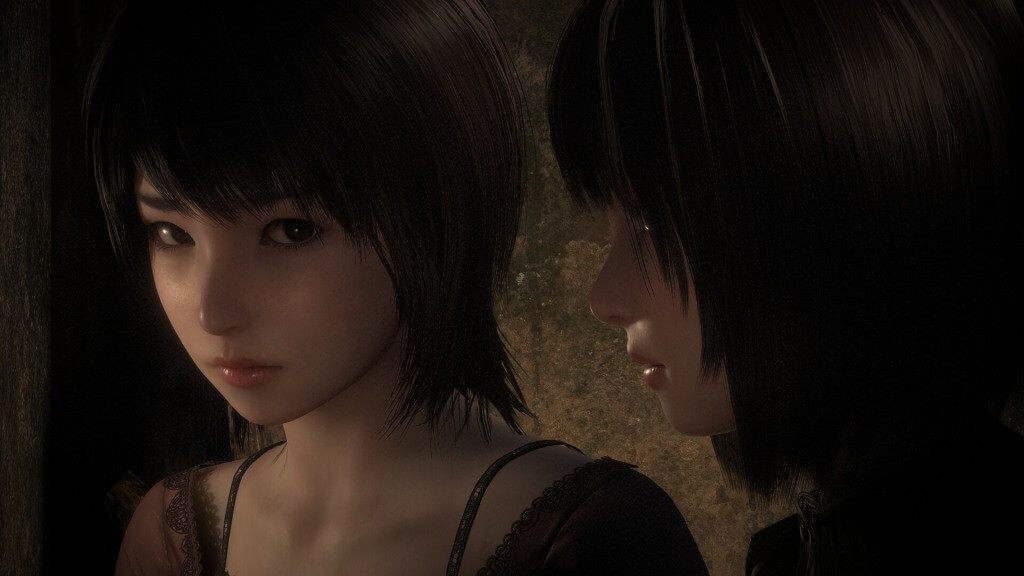
The story unfolds as twin sisters Mio and Mayu revisit a forest glade from their childhood, evoking bittersweet memories for Mio. A past accident left Mayu with a permanent injury, but Mio’s concern escalates when Mayu follows a mysterious crimson butterfly into the depths of the woods. Mio must chase after her sister, only to find herself in Minakami Village, a place steeped in sinister rituals. As she navigates this foreboding location, she seeks to rescue Mayu and find a way out.
Confronting Ghosts
Survival hinges on using the powerful Camera Obscura, a relic that can exorcise spirits through photography. The game cleverly flips traditional horror tropes, requiring players to confront terrifying apparitions instead of hiding. Timing is essential; capturing a spirit just before it attacks maximizes the effectiveness of your shot. While you can replenish health with items scattered throughout the village, picking them up can trigger jump scares, adding an element of risk to resource management.
Documenting the Past
The ghost encounters are not only electrifying but also reflective, emphasizing the importance of documenting the past. Players discover remnants of Minakami Village’s history through passive spirits, leading to revelations about the village’s dark legacy. The gameplay effectively intertwines exploring the village’s eerie spaces with uncovering secrets, taking players deeper into the chilling narrative of J-horror.
The Impact of Tragedy
This remake captures the insidious nature of tragedy woven into the narrative. Players grapple with the implications of history, particularly patriarchal violence against children, as they navigate the cursed village. The haunting settings and chilling imagery create an unsettling atmosphere, making every encounter more impactful. While the absence of fixed camera angles reduces some ambiance, the game still manages to induce fear in unique ways, utilizing immersive sound design and unsettling visual elements.
Final Thoughts
Even with its slower pacing due to optional side missions and the repetitiveness of some ghost encounters, Fatal Frame II: Crimson Butterfly remains a compelling experience. The horrors it presents resonate deeply, compelling players to confront historical ugliness to escape the nightmarish realm of Minakami Village. The discussion regarding which version of this game is “best” is likely to persist, but this remake emphasizes a clear message: the haunting story of Minakami Village should never be forgotten.
