



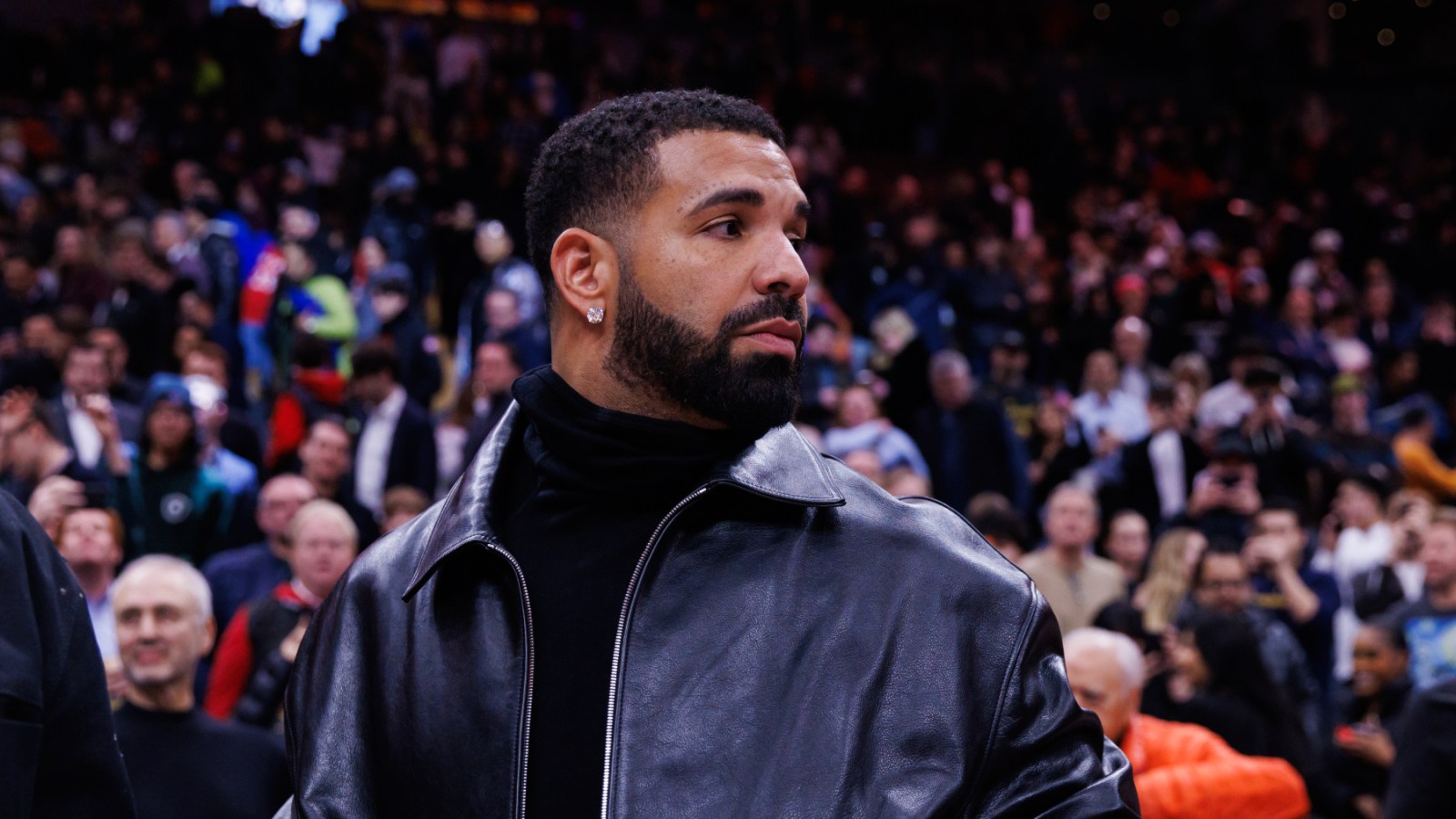
A recent class-action lawsuit initiated by two consumers in Virginia targets music icon Drake, streamer Adin Ross, and an Australian individual, claiming they enticed users to engage in real-money gambling on the platform Stake.us as part of a racketeering scheme that allegedly utilized the profits to “inflate streaming counts for Drake’s music catalog.”
The lawsuit, submitted to federal court in Virginia, alleges that the three men collaborated with Stake to exploit consumers, unlawfully exposing them to significant gambling addiction risks and compromising their financial well-being. The plaintiffs declare they were “influenced to engage” in Stake’s “predatory gambling environment” after witnessing Drake’s paid endorsements of the site, including live gambling sessions and promotional giveaways.
According to the legal filing, Drake, Ross, and the Australian national known as George Nguyen served as “enthusiastic promoters” of Stake for compensation and access to the platform, which the lawsuit terms a covert “money transfer conduit.” Stake, owned by Sweepsteaks Ltd. in Cyprus, operates Stake.us out of Dallas. Neither Ross nor Nguyen responded immediately to requests for comment, and Drake’s representative declined to provide a statement.
The lawsuit, brought forth by LaShawnna Ridley and Tiffany Hines, claims the trio misappropriated Stake’s user-to-user “tipping” feature for direct money transfers between themselves. The complaint describes the program as an “unlimited and entirely unregulated money transmitter that appears to operate beyond the scrutiny of any financial regulatory authority.” It further asserts that these funds were later channeled to finance fraudulent streaming of Drake’s music and “amplification campaigns” sometimes aimed at undermining competitors with negative content.
“At the center of the conspiracy, Drake—acting directly and through willing and knowledgeable accomplices—allegedly used automated bots and streaming farms to artificially boost play counts of his music on major platforms like Spotify,” the complaint states, reflecting claims made in a recent lawsuit regarding Spotify. “This manipulation has diminished authentic artists and restricted consumer access to genuine content by compromising the integrity of curated experiences.”
Nguyen is mentioned in the complaint as the owner of the Instagram account @grandwizardchatn***a. The lawsuit claims he acted as a “broker and operational facilitator,” receiving cryptocurrency through Stake avenues as part of the alleged conspiracy, while coordinating with bot vendors and managing paid “clipping” campaigns on social media platforms, including X, formerly known as Twitter.
The filing maintains that public posts, chat logs, and leaked communications highlight Nguyen’s “direct handling of funds through various payment platforms, orchestration of narrative surges, and amplification” alongside Drake and Ross. It states that the conspiracy dates back to 2022 and presents an ongoing risk of racketeering activities.
This lawsuit seeks to represent Virginia residents who have placed wagers using Stake Cash within the last three years. It includes allegations that the defendants breached the Virginia Consumer Protection Act, engaged in a racketeering conspiracy, and executed a pattern of racketeering activities in violation of federal RICO statutes.
This is not the first lawsuit targeting Drake and Ross over their connections to Stake. A similar proposed class action was filed by a Missouri man last October. A lawyer representing the defendants successfully moved that case from Missouri state court to federal court last month.
Both the Missouri and Virginia lawsuits allege that Stake.us operates an illegal dual-currency system that combines virtual, ostensibly non-redeemable “gold coins” with a second token type, known as “Stake Cash,” that can be redeemed for real money. Critics regard this dual-currency model as a loophole, prompting backlash from legislators, including California Governor Gavin Newsom, who signed a bill last year to address these issues.
