



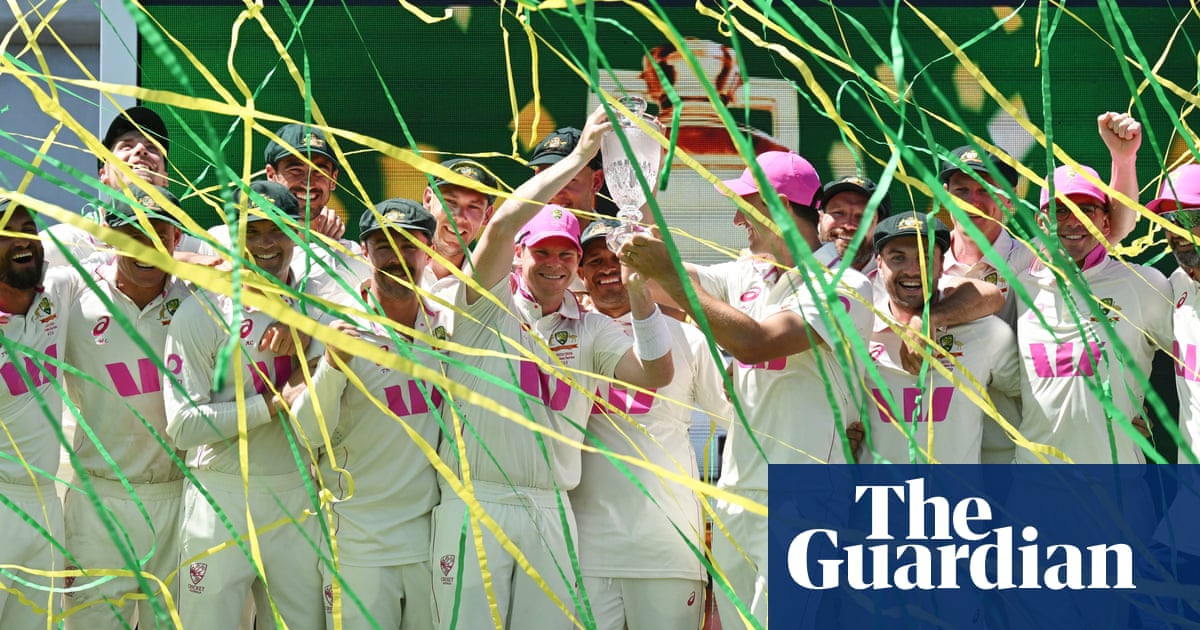
A Fitting Conclusion
In terms of closures, it ended on a high note. Fans flooded onto the Sydney Cricket Ground, eager to witness the trophy ceremony and step onto the field. There’s nothing quite like the thrill of walking onto the stage. With the match concluding early on a sunlit day, the afternoon was left open for enjoyment. Later, Usman Khawaja savored the moment with his family and friends on his final day as a Test cricketer.
Reflecting on the Ashes
Such conclusions are meant to mark a significant event. Another Ashes series concluded, adding another chapter to the ongoing rivalry. However, upon reflection, the whole experience felt somewhat lacking.
A Journey to the Series
This wasn’t due to the series being uncompetitive; it had been 50 years since anyone witnessed a truly tight series in Australia. The focus was more on the performances. The media flocked to Perth after months of anticipation fueled by public interest. We engaged in predictions and analyses, building excitement until it finally began. And yet, just 31 hours later, it was over.
Waiting for Action
This left 11 days of anticipation before a vibrant match in Brisbane, which concluded after two and a half days, even though it was played over four days. Adelaide showcased some resilience but was ultimately marred by a flurry of careless wickets, followed by another quick exit for both teams in Melbourne.
England’s Struggles
England arrived poorly organized. Whether consciously or subconsciously, the Brendon McCullum and Ben Stokes era saw this series as its culmination. Their strategies and mindset were focused solely on this moment. When the time for action finally arrived, they approached the challenge much like a wealthy student approaches college applications—confidently assuming their stature would prevail. Despite extensive discussions on mindset and philosophy, they showed little understanding of how to adapt their game overseas.
Australia’s Mediocre Performance
Conversely, Australia wasn’t significantly better, despite notching a 4-1 victory. Their bowlers were crucial, bolstered by strong performances from Alex Carey and Travis Head, while Steve Smith excelled when the stakes were low. The rest of the team displayed mediocrity. Blame was placed on England for the rapid matches; however, both teams faced difficulties, often choosing not to stay resilient when batting conditions worsened. Australia managed to ride their fortune, as even a poorly performing England could have seized victory had they taken their catches.
Management and Gameplay Issues
Much of the management seemed haphazard. Teams frequently shuffled their batting orders, and some players found themselves in unfamiliar roles. Cameron Green played every match regardless of form, while Ollie Pope struggled through three games. The decision to select players without significant first-class careers will likely be viewed as a successful gamble, but it’s essential to note that luck doesn’t justify poor strategy.
Overall Sentiment
These observations may seem critical, but they reflect a shared sentiment. While there were commendable performances and memorable moments, the overall quality fell short of expectations. Countless spectators noted feelings of disappointment during the final matches. Many fans invested time and money to watch top-level cricket but left unfulfilled. With a record potential audience hindered by lost play days, this Ashes series will be remembered as one that lacked a vital spark. Good endings cannot compensate for an unsatisfactory experience throughout.
