



Formula 1 has paused discussions about transitioning to V8/V10 hybrids, but an intriguing new initiative aiming to reinstate exciting engines is gaining attention. Recognizing that impactful power units are fundamental to motorsport’s allure, the initial hints of a HybridV10 category surfaced late last year with the launch of a dedicated webpage.
This webpage, although lacking in details initially, promised “Real Racing. Real Talent. Real Skill. Proper Sound.” With private development efforts having commenced months ago and more of its vision being shared on social media, momentum is building to bring the series to fruition.
The Cars
HybridV10 will feature two main single-seater categories. The first will include cars with hybrid V8 engines, while the highlight event will introduce a naturally aspirated hybrid V10 class, inspired by the thrilling essence of mid-2000s grand prix racing. Each series will comprise grids of 24 cars, with each team operating one car per category.
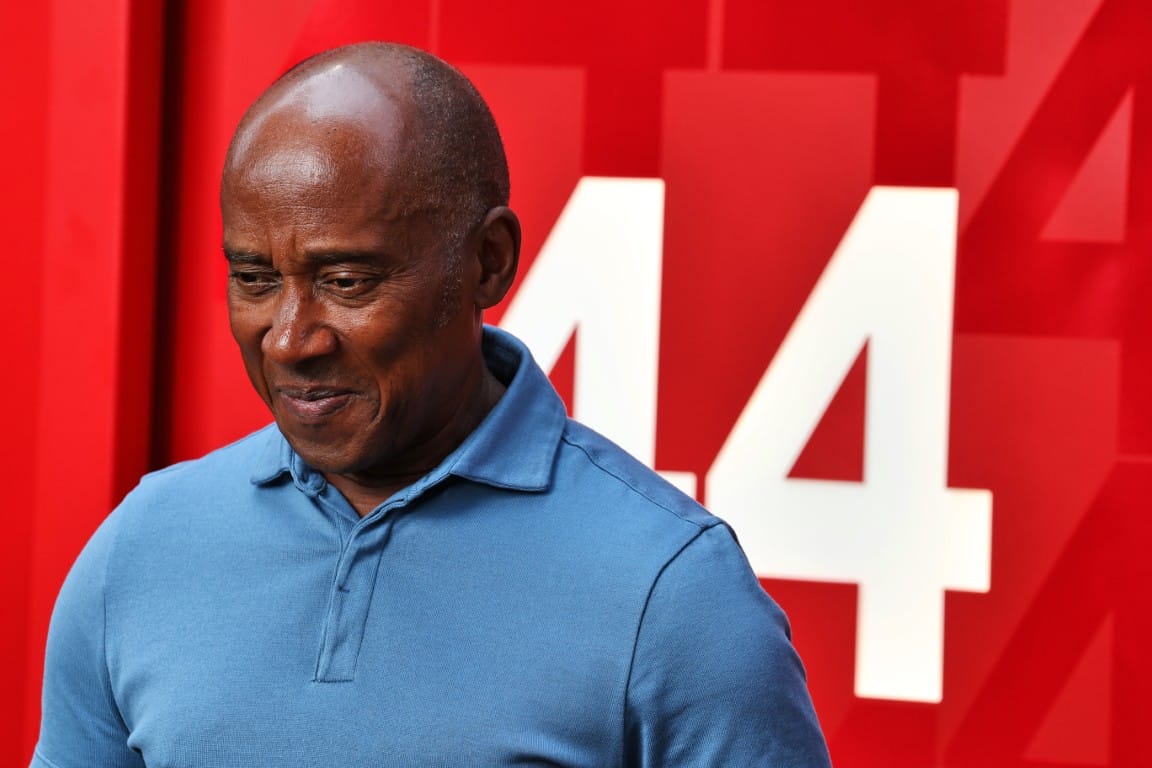
The cars will follow a single-make structure, permitting regulated aerodynamic improvements within specified limits. The objective is to create reliable, high-performance vehicles allowing drivers to race at full capacity with minimal reliance on driver-assist technology. Anthony Hamilton, father of seven-time Formula 1 champion Lewis Hamilton, emphasized that the focus should be on the driver, free from artificial performance controls.
The Drivers
HybridV10 aspires to draw top-tier drivers, founded on the principle that seats should be earned rather than bought. Drivers will be compensated professionals, with a clear avoidance of pay drivers. To ensure fairness in selection, Hamilton is implementing a Motorsport Draft League to source recognized talent for the 48 available seats across both V8 and V10 classes.
To qualify for the elite V10 category, drivers must be 20 years or older and possess a ‘hybrid super licence’ granted by the ‘Hybrid World Commission (HWC)’. This license will be awarded based on impressive results in recognized championships alongside demonstrating simulator skills, technical know-how, fitness, and professionalism.
The Events
The initial vision includes hosting around 12 HybridV10 festivals annually, arranged to minimize conflicts with major global motorsport events like Formula 1. While specific circuits are yet to be confirmed, the intention is to utilize FIA Grade 1-standard venues, focusing on renowned tracks that are not part of the current Formula 1 schedule.
What Happens Next
While substantial groundwork has been laid, HybridV10 remains in its early stages. Upcoming months will concentrate on attracting potential team owners, manufacturers, and partners while growing the inaugural fan base. If progress is made by early 2026, detailed vehicle design could begin, followed by testing and pilot activities in 2027. The aim for the inaugural HybridV10 festivals is set for 2028 or 2029, contingent on vehicle and engine developments.
Hamilton’s motivation behind the venture is clear, emphasizing the importance of engaging fans right from the start. “The investors are excited. I am excited. I want to build this with the fans,” he stated, highlighting the collaborative nature of the project.
