



The Evolution of F1’s 2022 Regulations and Future Directions
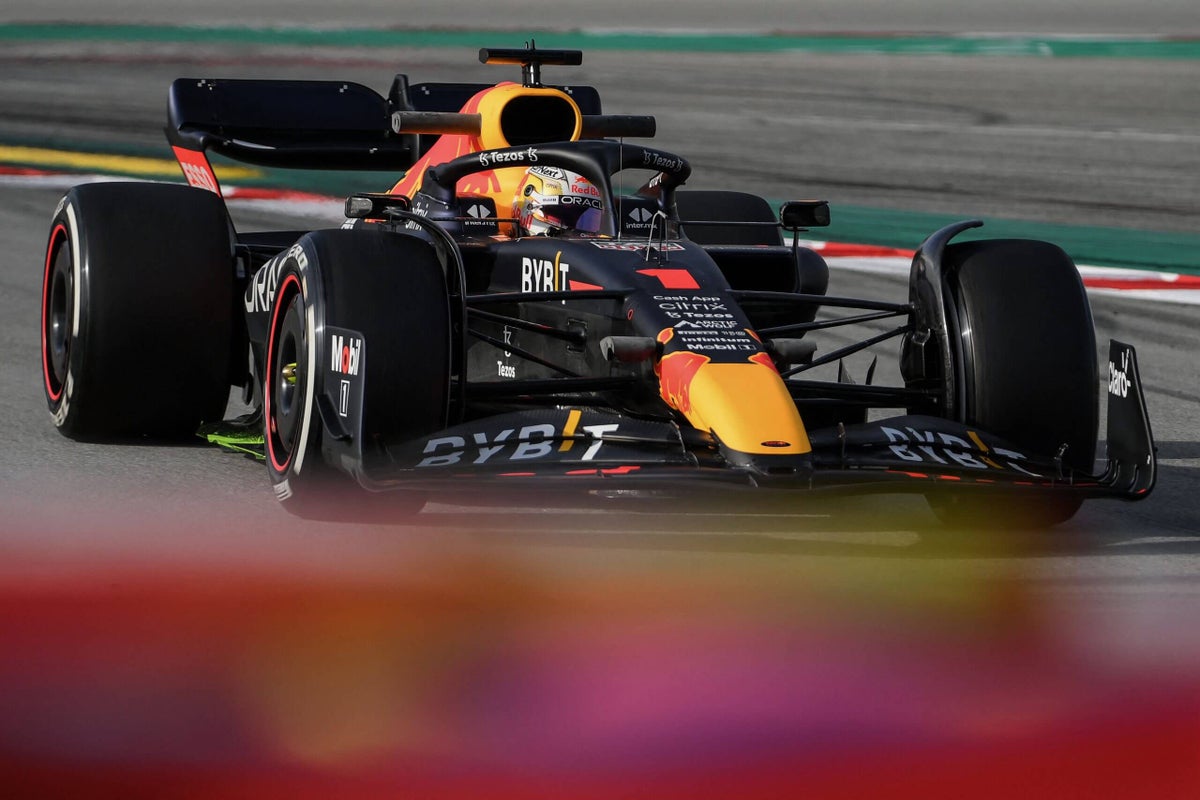
There was a distinct sound at the start of the F1 preseason testing in Barcelona on February 23, 2022. As Max Verstappen’s RB18 sped downhill towards Turn 1, the track was filled with a fizzing noise previously absent at the Abu Dhabi Grand Prix that ended the 2021 season three months earlier. This change was a direct outcome of the new aerodynamic regulations aimed at enhancing overtaking possibilities.
The larger bodywork of the cars was designed to optimize airflow, making the sound of air striking them more noticeable. As F1 moves on from this generation of ground-effect cars, these sounds encapsulate the challenges encountered and the organization’s aspirations for 2026 and beyond. FIA single-seater chief Nikolas Tombazis emphasized that boosting “raceability” was the primary goal of the 2022 regulations.
The intent was to minimize the “dirty air” that had plagued F1 for years, making overtaking increasingly difficult. Dirty air destabilizes a following car, complicating maneuvers. However, while the initial effects improved overtaking, they introduced new problems, especially in wet conditions where larger aero components increased visibility issues due to spray. Furthermore, the return to ground-effect design led to “porpoising,” an uncomfortable bouncing motion for drivers that compromises downforce and speed.
Initially, data confirmed that the dirty-air problem had improved. In 2021, a car trailing another one had 67% of the downforce at 20 meters and 55% at 10 meters behind. By 2022, those numbers rose to 95% and 85%, respectively. Yet, over the subsequent years, those metrics reverted slightly to 80% at 20 meters and 65% at 10 meters as teams focused on enhancing downforce, unintentionally increasing dirty air again.
Despite achieving closer competition with a reduced performance gap—2.5% in 2021 qualifying times dropping to 1.1% by 2025—there remained significant challenges. The tightly contested field meant drivers could struggle even with competitive cars. For example, Lewis Hamilton faced three consecutive Q1 knockouts in 2025 despite often being close in performance to his teammate. Hence, the best-performing teams excelled, with Red Bull claiming 54 of 92 races between 2022 and 2025.
Looking back, while the 2022 regulations can be seen as successful in fostering competitive narratives—moving away from past dominance by teams like Mercedes—drivers were vocal about their struggles with ground-effect cars. Fernando Alonso expressed his dissatisfaction, highlighting that while they may miss the speed, these vehicles are excessively heavy and challenging to handle. He articulated that the regulations failed to deliver on their promise for better racing action.
As F1 prepares for the 2026 era, the focus shifts towards simplifying engines to attract new manufacturers and to adapt aerodynamics for reduced drag. With Audi entering the fray and Cadillac planned for future participation, the new regulations aim to facilitate overtaking and enhance close competition. An array of adjustments, including “Corner Mode” and “Straight Mode” for engines, indicate a commitment to refining the racing experience. As F1 gears up for its latest changes, the effectiveness of these rules in revitalizing the sport remains to be seen.
