



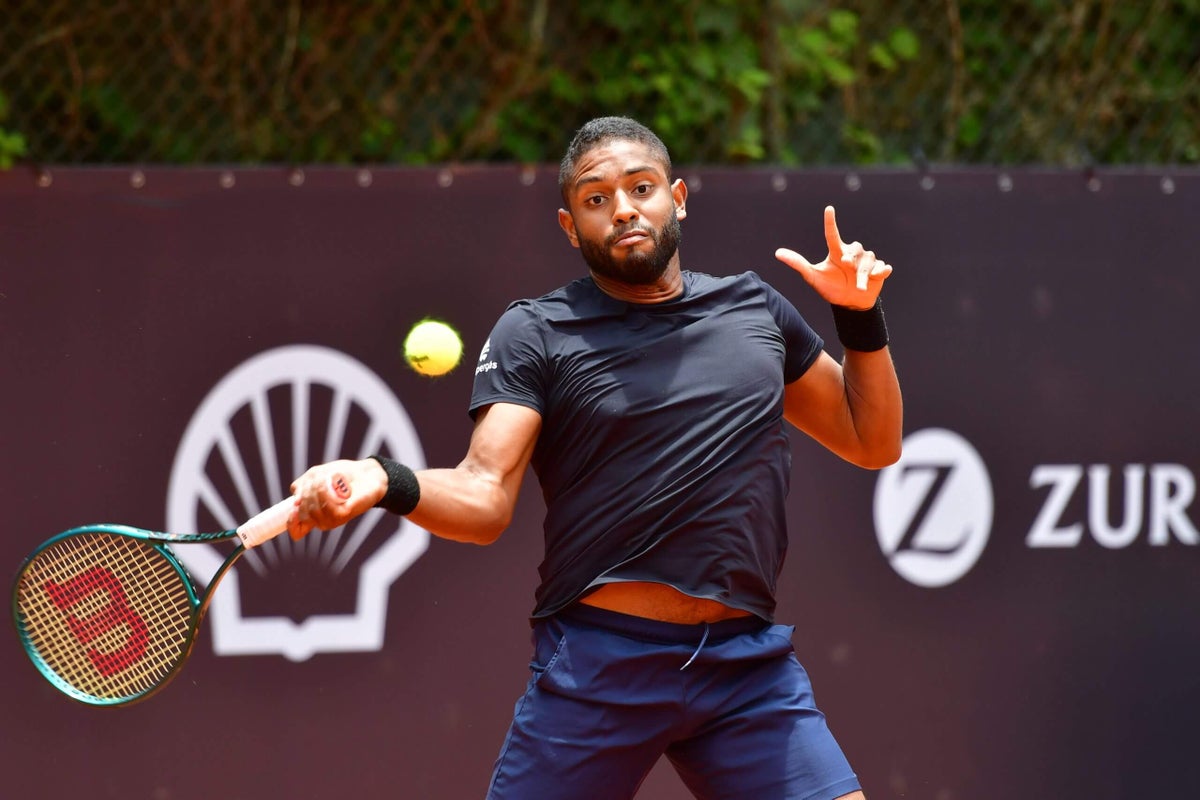
João Lucas Reis da Silva: A Milestone Moment
On December 7, 2024, 24-year-old tennis pro João Lucas Reis da Silva shared a seemingly ordinary moment on Instagram—a couple’s selfie. It was his partner’s birthday, and he posted a charming series of photos by the water in Rio de Janeiro, captioned, “I love you so much.” Unbeknownst to him, this act made him the first openly gay male professional tennis player actively competing on the circuit.
A Historic Announcement
“I didn’t think about it… I just wanted to post a picture with him,” Reis da Silva remarked in an interview with The Athletic the following Sunday from São Paulo. Earlier that day, he celebrated a personal victory by winning a tournament—his first in four years—defeating Daniel Dutra da Silva to secure the Procopio Cup and a spot in the Rio de Janeiro Open qualifying round. “It’s been a crazy week but in the end it was perfect,” he said, reflecting on his recent comeback after injury setbacks.
A Significant Breakthrough
About 14 months later, Reis da Silva made another historic stride by playing in the Rio de Janeiro Open against Germany’s Yannick Hanfmann, marking his debut as the first openly gay male in an ATP Tour main-draw match.
The Landscape of Gay Representation in Tennis
While women’s tennis has seen many openly gay players, including legends like Billie Jean King and Martina Navratilova, the men’s side has been less forthcoming. Historical figures like Bill Tilden concealed their identities, and players like Brian Vahaly and Bobby Blair came out only after retiring. Reis da Silva publicly shared his sexuality with family and friends in 2019, which he noted was a challenging period.
The Power of Visibility
Expressing the significance of self-acceptance, he mentioned, “When I tried to love myself, that was something different. It changed my life.” By 2024, he was openly in love with actor Gui Sampaio Ricardo, leading to the birthday post that reshaped his identity in sports. The overwhelmingly positive feedback, with few negative remarks, surprised him and solidified his status as a cultural icon.
Changing the Culture
Reis da Silva acknowledged the importance of visibility, noting how sharing his identity led to a change in behavior among peers. “When they have someone close to them that is gay, they respect them more,” he explained, suggesting that having a prominent figure in tennis who is openly gay could help shift attitudes further.
Looking Forward
A lifelong tennis enthusiast, Reis da Silva’s journey has led him to compete globally. After winning in São Paulo, he enjoyed a break with his boyfriend before gearing up for future Challenger tournaments. With his sights set on building a successful career, he remains hopeful that the sport will embrace all athletes, no matter their identity. “It’s an individual sport, so you can be whatever you want,” he stated optimistically.
