



Welcome to 2026! We say goodbye to 2025 and the ground-effect era of Formula 1 (2022-2025), ushering in a new set of regulations.
This change raises questions: Will the new rules alter the hierarchy? Can they provide a remedy for Ferrari’s struggles? Will Cadillac excel in its inaugural season? ESPN addresses these topics and examines the key storylines shaping the 2026 season.
Will the new F1 cars enhance racing?
Although the 2025 season’s championship was decided only at the last moment, the quality of racing was arguably at its lowest during the controversial ground-effect era that began in 2022. The 2026 season brings a complete overhaul of aerodynamic and engine rules.
This transformation means F1 will look and function drastically differently. The new cars will be shorter, thinner, lighter, and more agile, aiming to promote better racing. Pirelli continues to provide 18-inch tires, but they will be narrower this time. One of the more welcomed changes is the simplification of designs: long ground-effect tunnels will give way to flatter floors and larger openings in the side pods, while wings will become less intricate, moving away from overly complex designs.
Who will rise to the top?
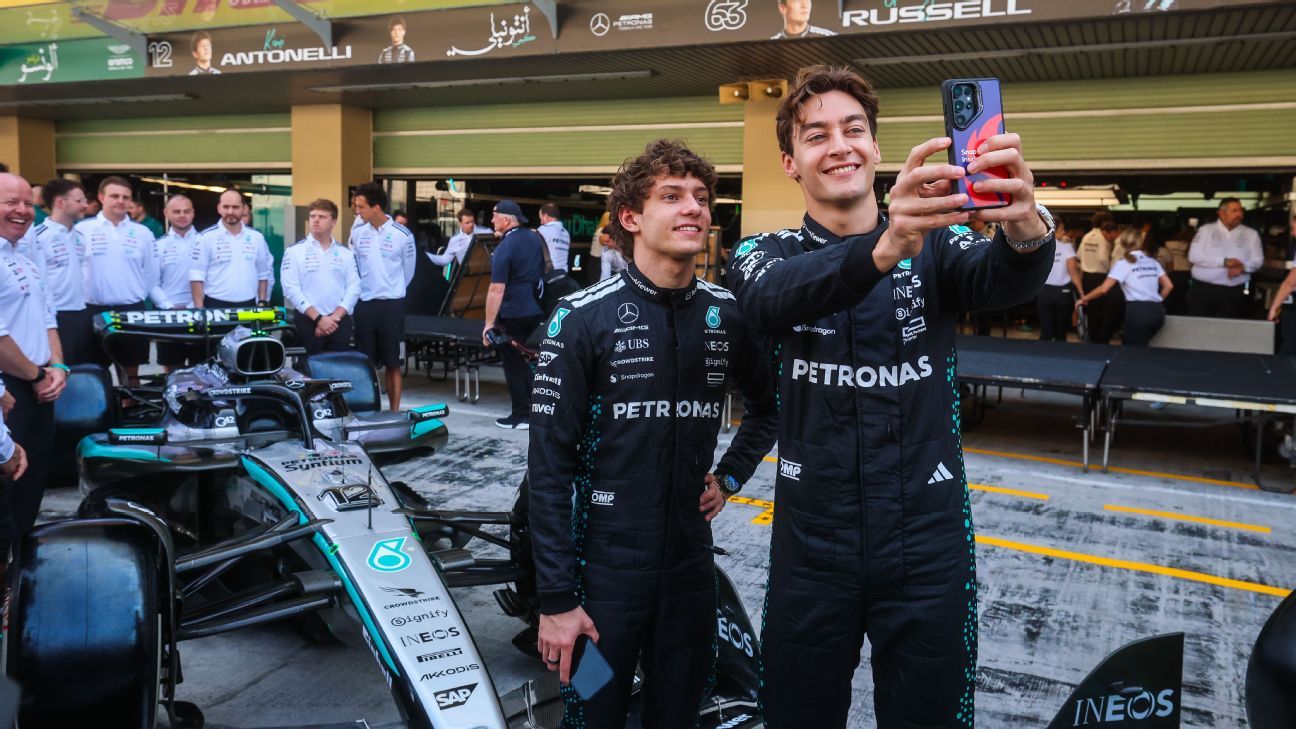
New regulations often reset the competitive landscape, and in the past, this arrangement has revolved around four dominant teams: Mercedes, McLaren, Red Bull, and Ferrari. A key question is whether Aston Martin can challenge this elite group. Early indications suggest Mercedes is confident in its engine development, raising expectations ahead of the Australian Grand Prix.
Should Mercedes emerge as the leading team, it would create an intriguing storyline, especially with McLaren having secured back-to-back constructors’ titles. Other teams like Williams and Alpine, who also rely on Mercedes engines, will have heightened hopes if predictions about engine performance hold true.
Will Charles Leclerc stay with Ferrari?
In the aftermath of the Abu Dhabi Grand Prix, Charles Leclerc indicated that the first few races of 2026 will significantly influence his future with Ferrari. He has grown increasingly frustrated with the team’s inability to deliver a title-worthy car, especially after a promising start in 2022 dwindled into disappointment.
A standout performer, Leclerc would certainly attract interest from other teams if he decides to leave. Although he may not need a championship-winning car to stay, he requires a vehicle that shows promise. His potential departure would mark a significant indictment of Ferrari’s recent failings.
How will McLaren’s dynamics change?
The reigning world champions, McLaren, face a shift in their team dynamics in 2026 as Lando Norris holds the No. 1 position, while Oscar Piastri pursues his first championship. Last season, McLaren nearly lost the title due to internal competition, and while the teams insist on maintaining a fair fight, it will be fascinating to see how this unfolds with the new regulations.
Piastri’s frustrations over previous events may lead him to assert himself more in 2026, and his previous high performance leaves him well-positioned to challenge for the title. Conversely, Norris looks to build on his success, as winning the championship can either alleviate pressure or exacerbate it.
What to expect from Cadillac?
Cadillac’s entry into Formula 1 is a landmark moment, marking the first new team under current owners Liberty Media, featuring Sergio Pérez and Valtteri Bottas. Despite the excitement, expectations should remain cautious as Cadillac prepares for its debut. The competitive landscape has changed dramatically since Haas joined in 2016.
Cadillac has indicated that a successful first season would mean being competitive while racing with Ferrari engines. They have dual objectives: establishing their presence and laying the groundwork for future engine development.
Can Aston Martin fulfill expectations?
Aston Martin’s recent investments and high-profile signings create substantial expectations for success in 2026. Owner Lawrence Stroll’s financial commitment aims to transform the team into world champions, supported by a new partnership with Honda and advanced facilities.
However, Aston Martin has experienced inconsistencies in its management, casting doubt on its ability to deliver results promptly. As scrutiny increases this season, any failure to perform would be particularly damaging given the extensive resources that have been allocated.
