



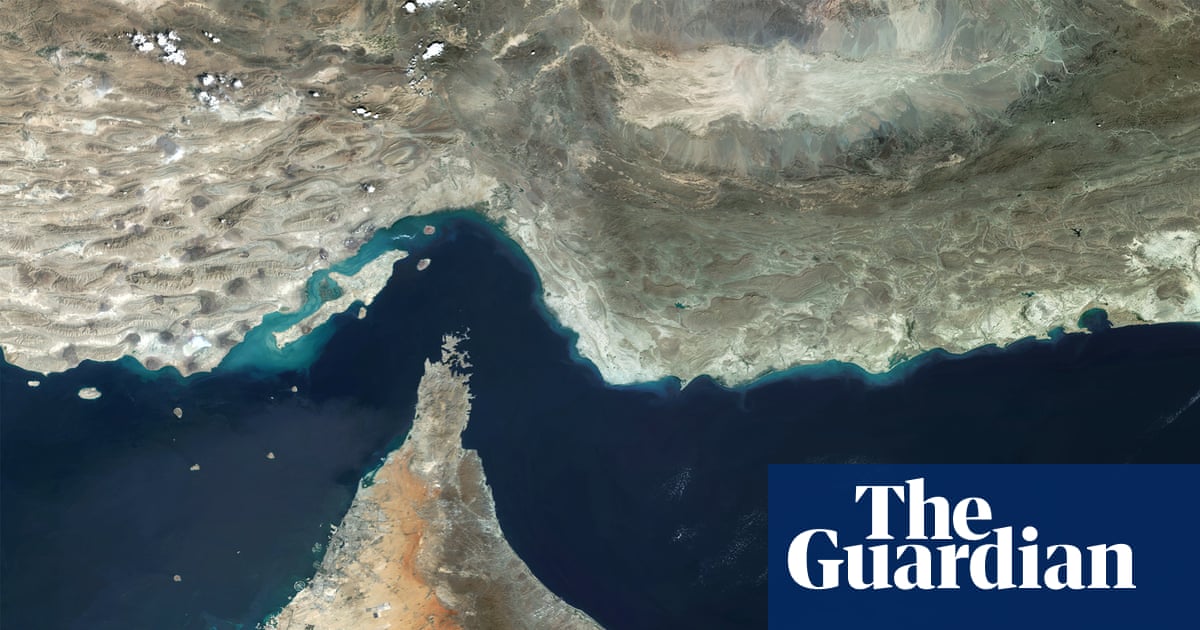
Disruption of Shipping in the Strait of Hormuz
Since the onset of the US-Israel war on Iran four weeks ago, shipping threats have effectively closed the Strait of Hormuz, disrupting global oil and gas supplies and driving energy prices upward.
Shipping Statistics
Typically, tankers transport about 20% of the world’s oil and gas supply through this narrow passage, while around one-third of the global fertilizers essential for food production are shipped via dry bulk vessels. Before the conflict, an average of 138 ships traversed the strait daily.
Incidents at Sea
According to analysts from Lloyd’s List, over 20 ships have sustained damage or had near misses during the conflict, resulting in several crew fatalities. The first attack targeted the Palau-flagged tanker Skylight, off the coast of Oman, killing an Indian captain and crew member.
Future of Shipping Activity
While there have been no new damages reported since March 22, analysts predict that standard shipping patterns may not resume for months even after hostilities cease. In light of this uncertainty, around 1,000 vessels have opted to anchor or remain in port.
UN Concerns and Iran’s Proposal
The International Maritime Organization (IMO) has raised alarms regarding 20,000 seafarers stranded under distressing conditions. Iran has indicated it would allow “non-hostile vessels” through the strait, defining this category as ships not involved in military actions against Iran.
Iran’s Shipping Corridor
Iran has introduced a “safe corridor” through its territorial waters for commercial vessels, allowing authorities to visually verify and approve vessels. Analysts have labeled this as “Tehran’s tollbooth,” a means for Iran to control traffic through the strait.
International Response
More than 30 countries, including the UAE, UK, and Australia, have come together to discuss strategies for ensuring safety in the Strait of Hormuz. Britain has proposed hosting an international summit aimed at forming a collective strategy to reopen this key maritime channel.
