



Google’s New AI Tool Raises Copyright Concerns
Google has unveiled Project Genie, a Generative AI tool designed to create playable gaming environments. This development has sparked controversy, as the tool has largely been trained using user-generated content from YouTube without proper authorization.
Previously, when OpenAI introduced its Sora video creation tool, it was quickly discovered that producing copyright-infringing content was alarmingly easy. Similarly, Project Genie allows users to generate gameplay clips that closely resemble established characters and franchises, raising significant legal questions.
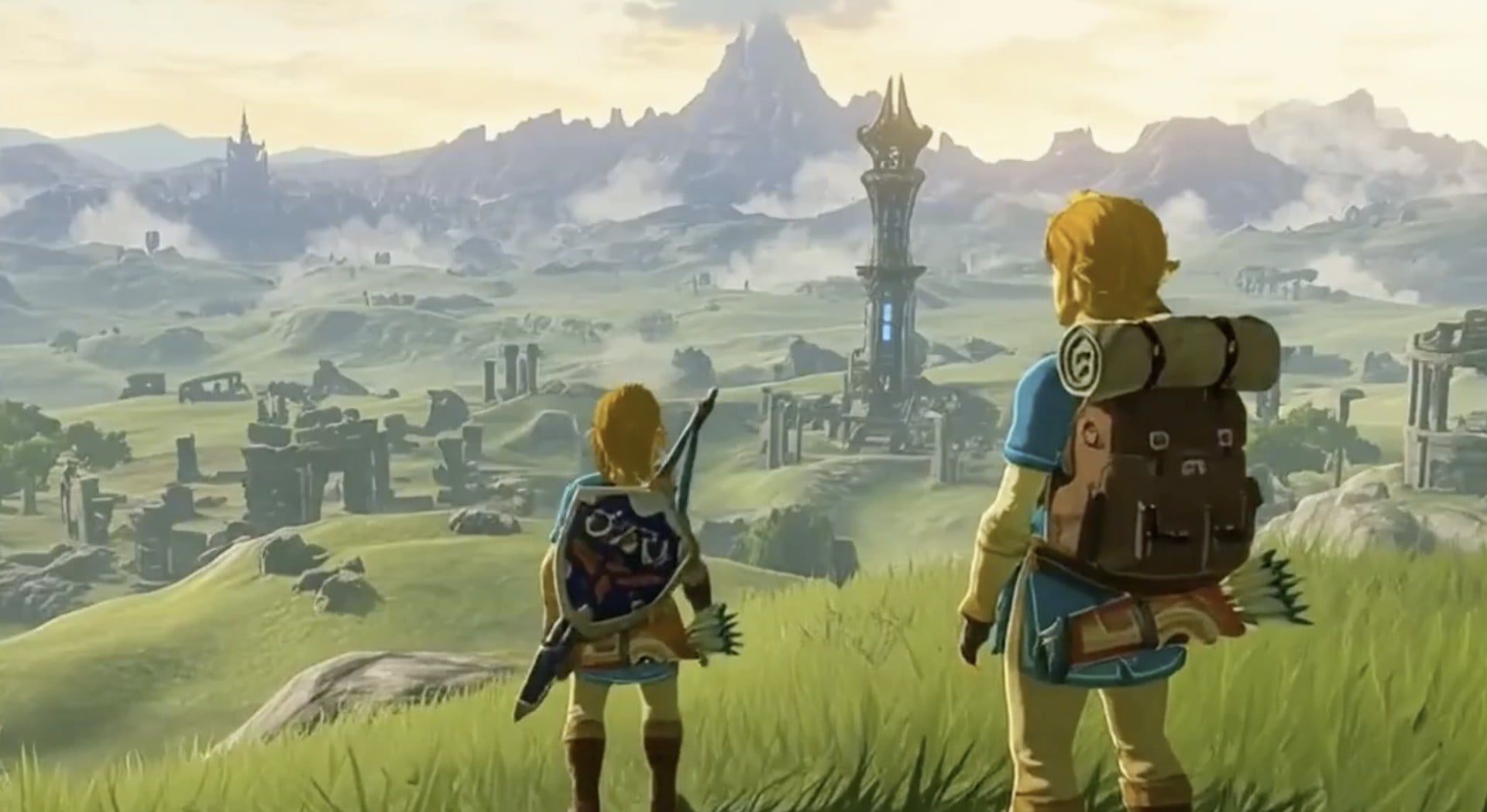
Jay Peters from The Verge, who tested the tool, reported creating several Nintendo-themed games, including a scene inspired by Link from “Breath of the Wild.” The resemblance to Nintendo’s original content is striking and has drawn criticism online.
Public reactions have been largely negative. Many users have criticized the tool for producing what they perceive as derivative works that violate copyrights. Comments highlight concerns over its potential to misuse intellectual property and its implications for the gaming industry.
Interestingly, Peters noted that while Project Genie does include some safeguards, it can still generate content reminiscent of Nintendo’s IP. He attempted to create a world using characters from “Kingdom Hearts,” but the tool blocked him when it recognized specific names. However, it still produced characters that were strikingly similar, raising questions about its consistency in enforcing copyright protections.
Upon querying Google about why it could replicate Nintendo’s IP but not Disney’s, they responded that Project Genie is a research prototype that monitors user prompts and feedback. The AI primarily learns from publicly available content, suggesting its capacity to mimic gaming scenarios comes from numerous user-uploaded videos.
Shortly before this article was published, Peters found that Project Genie had stopped allowing the generation of worlds based on “Super Mario 64,” likely due to concerns from third-party content owners. This incident suggests that Nintendo’s legal team may already be taking action against the tool, reflecting the risks Google faces with this innovative but contentious project.
