



Milwaukee Brewers’ Budget Approach
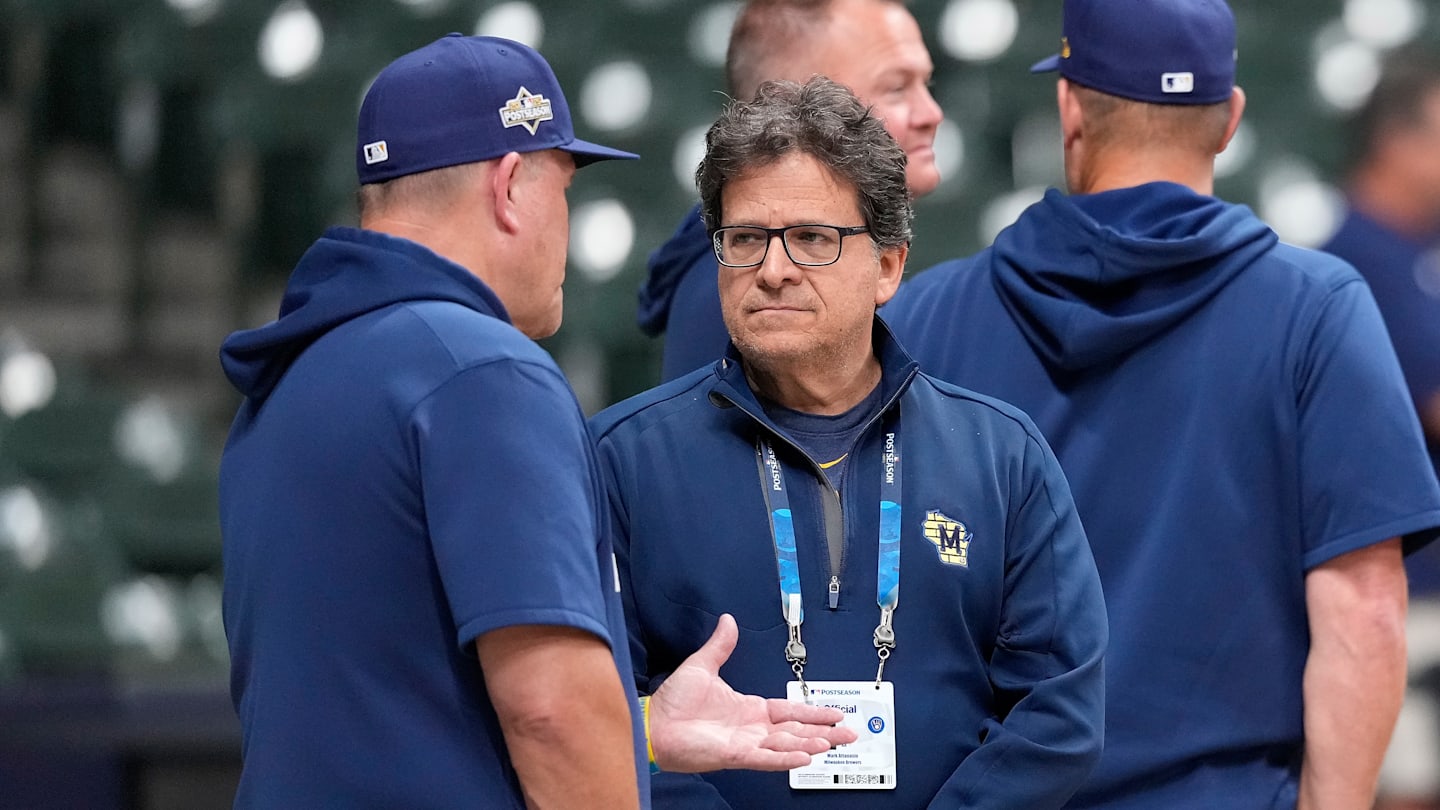
Under the leadership of chairman and principal owner Mark Attanasio, the Milwaukee Brewers have consistently operated with well-defined budget limitations. Although executives like David Stearns and Matt Arnold have had opportunities to make necessary additions, the organization has generally steered clear of substantial long-term financial commitments, aside from signing Lorenzo Cain to a five-year deal and extensions for players such as Christian Yelich, Jackson Chourio, and, historically, Ryan Braun.
Brandon Woodruff’s Qualifying Offer
This offseason, Brandon Woodruff accepted a qualifying offer from the team valued at $22.05 million, making him the highest-paid pitcher in a single season for the franchise. This decision sheds light on Arnold’s rationale for trading Freddy Peralta, especially given Peralta’s modest salary of $8.0 million for the 2026 season.
Factors in Peralta’s Trade
It’s important to clarify that trading Peralta wasn’t simply a salary dump. The choice was influenced by several factors, including his attractive trade value due to affordability, which made him appealing to multiple small-market teams, and his established track record as a top-tier starter. Additionally, broader considerations, such as uncertainties around the Brewers’ television situation and anticipated changes in the financial landscape of baseball post-2026, played a role.
Financial Advantages of the Trade
With Peralta’s departure, Milwaukee frees up $8.0 million in their payroll for 2026. The other players included in the trade, Tobias Myers and Brandon Sproat, are both pre-arbitration players, meaning their salaries neutralize, and Jett Williams is not yet on the 40-man roster, so he currently doesn’t impact payroll. This raises the question: How will the Brewers allocate the funds they’ve preserved?
3 Ways the Milwaukee Brewers Can Spend the Money Saved by Trading Freddy Peralta
1. Add a Third Catcher
One pressing need for the Brewers this offseason is securing a third catcher in addition to William Contreras and Jeferson Quero. Since Contreras has proven he can handle most of the workload, having played over 141 games in each of his three seasons in Milwaukee, Quero may need consistent playing time at Triple-A for his development.
2. Upgrade the Outfield
While the free-agent outfield market is relatively thin, acquiring another player for this position is a consideration for the team. With Sal Frelick and Jackson Chourio firmly positioned in the field, it’s reasonable to seek someone to complement Garrett Mitchell, Blake Perkins, and possibly Jett Williams in center, provided they can offer a clear advantage over existing options.
3. Add Another Pitcher
The need for depth in pitching is undeniable, especially given the injuries faced early last season. Despite having a surplus of starters at present, the Brewers might still pursue a veteran pitcher to strengthen their rotation. Acquiring someone like José Quintana or trading for Jordan Montgomery could enhance their options for the upcoming season.
It will be intriguing to observe if the Brewers will promptly reinvest the funds saved from the Peralta trade or reserve them for future needs, a tactic they’ve employed in previous seasons with successful midseason acquisitions.
